1140

Posted 2 years ago

“One of the biggest motivations for me writing my book was the fact that many women in their mid- 60s are retiring in relative poverty, or are having to continue working because they can’t afford to retire…..”

Dare To Be Fair Dare To Be Fair by Amanda Redman (dare2befair.com)

To celebrate International Womens Day, I wanted to share this article for Amanda Redman who calling on all women to ‘Dare to Be Fair’ in her must have book, aimed at equipping women with the right information to take control of their finances and shape their future.
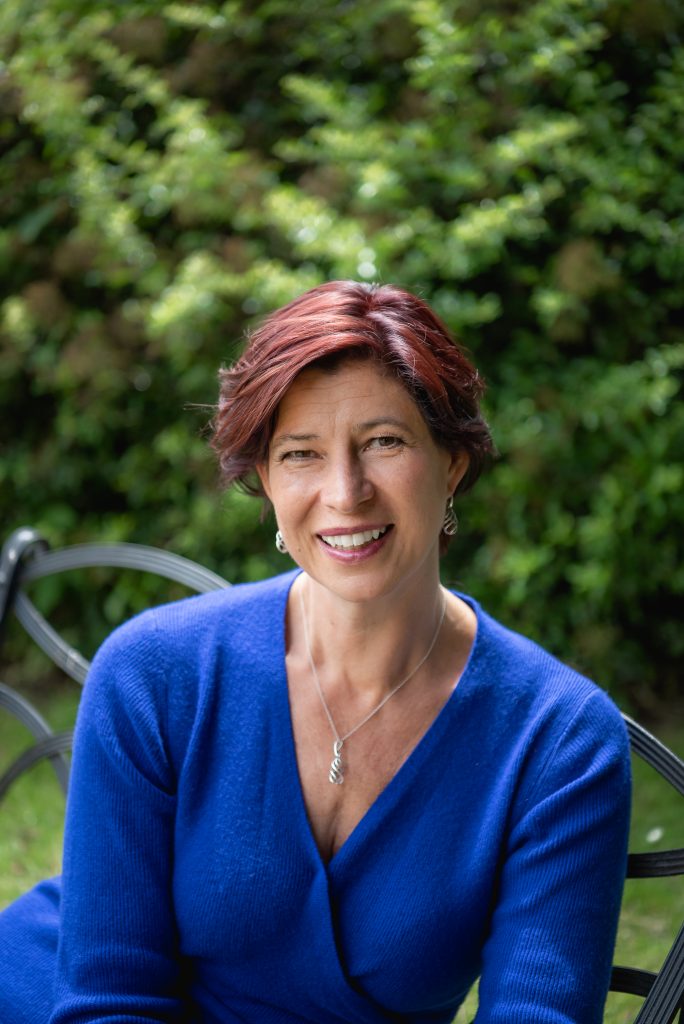
Drawing on her own experiences as a woman in the corporate workplace a working mother who launched her own business and the many women she has worked with,

Amandas book addresses why women are being financially disadvantaged in life, how we can change the status quo and the tools needed to do so.

“I’ll start by saying that I’m not a writer by profession, I’ve never written a book before or undertaken anything similar… and somehow, I felt compelled to write this one. Throughout my corporate career and now profession as a financial adviser, it’s struck me that the corporate workplace is still not set up to enable women to succeed. From barriers to going back to work after having children, to remuneration structures that reward longevity of service and those prepared to negotiate over salary, I saw that a change needed to happen.”

“It also became increasingly apparent to me that many women I have worked with feel less confident about their finances than their husbands or partners do and are not getting involved in planning for the long-term. I don’t believe that women are any less capable of understanding and taking control of their financial plan, so why don’t they? With the right guidance and information, all women can understand, plan and create the best financial future for themselves and their families, and that’s what my book is setting out to do.”
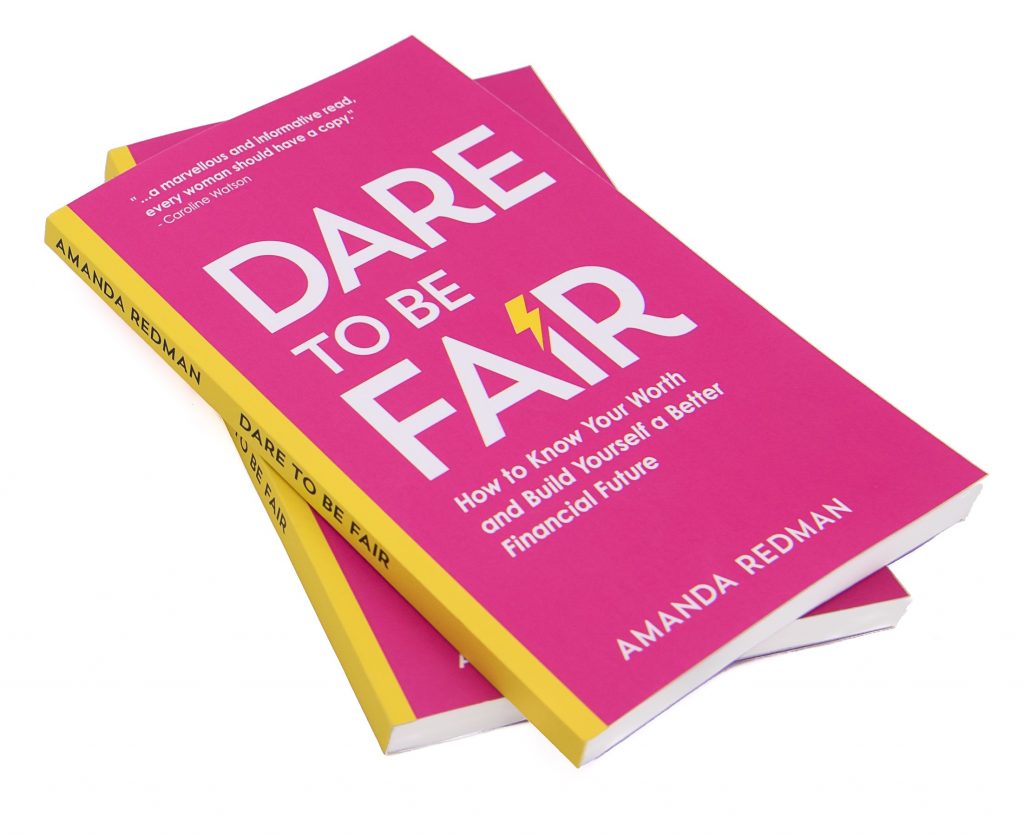
Dare To Be Fair will challenge you to assess your current financial situation and start to create a financial plan that will equip you for later life. It will also help you to consider your position in the workplace – your remuneration and career opportunities – and give you ideas to help change this, to achieve greater fairness in your life.

Some of the issues Dare To Be Fair tackles includes:

· Becoming self-sufficient: Unfortunately, in Amandas experience, the first time many women sit down to look over their finances is in the wake of a crisis, be that a bereavement, ill-health or a divorce. If you can be fully aware of yours and your partner’s financial situation now, you’ll be better prepared to deal with any changes that life throws at you.

· Work after children: The current ‘norm’ seems to be that once a woman has had a child, she’s likely to return to work part-time – Dare To Be Fair will open your eyes to the consequences of this. The reality is, working part-time is likely to leave you with less chances of advancing your career, less ability to save for your future and a smaller pension pot than your partner.

· Workplace cultures: It’s no secret that corporate workplaces have been shaped by men over decades. So, how can we go about changing years of female underrepresentation?

· Talking to our friends: We can all be part of the solution. Dare To Be Fair will help you instigate conversations with your friends, children and family members so that we can start to change the narrative for other women.

As well as pointing out the reasons why women are often less financially confident than men, Amandas book offers women practical tools to help achieve greater equality, whether at home, within the workplace or in society including:

· How to create a financial plan: If you want to fully understand your financial situation, it’s best to create a financial plan. If you shudder at the thought of

this, Dare To Be Fair will be a great help to you. Amanda breaks the process down into smaller stages, making the whole thing less daunting.

· Understanding your pension: We’ll be honest, pensions are confusing however that doesn’t mean that you can just stick your head in the sand and ignore them. “One of the biggest motivations for me writing my book was the fact that many women in their mid- 60s are retiring in relative poverty, or are having to continue working because they can’t afford to retire. If we understand how pensions work, we can take action now to avoid not having enough money to see us through the later stages of our life.”

· Changing how we view money: Many of our attitudes towards money now will have been shaped by our early experiences with it. For example, if money was scarce when you were younger, you might feel like you can’t spend anything now; or, if money was a taboo topic in your house, you might not feel comfortable discussing it. Dare To Be Fair touches on creating a healthier relationship with your money and finances.

· How to fight for fair at work: As women, we’ve probably all experienced some level of direct, or indirect, discrimination in the workplace. That might have been not being able to return to work on the same paygrade or in the same role after maternity leave, finding out your salary was comparably smaller than a male colleague or not feeling like putting yourself forward for a promotion when male colleagues have no issue with doing so. This book sets out actions you can take as an individual, and also top-down strategies that organisations can implement in a bid to ensure greater financial fairness between the sexes.

· Creating a more equal relationship between you and your partner: Although Amanda is a huge advocate for women returning to work post-children, for some families this is not the right decision. Whether you work again or not, there are ways to ensure that you remain financial equals regardless of who earns or works more, such as the main breadwinner paying into the wife’s pension so she is not financially disadvantaged in retirement.

1619

Posted 2 years ago

Teaming up with schools and colleges across the UK, Clarion’s Free Tree Initiative gives our children a greener educational environment.

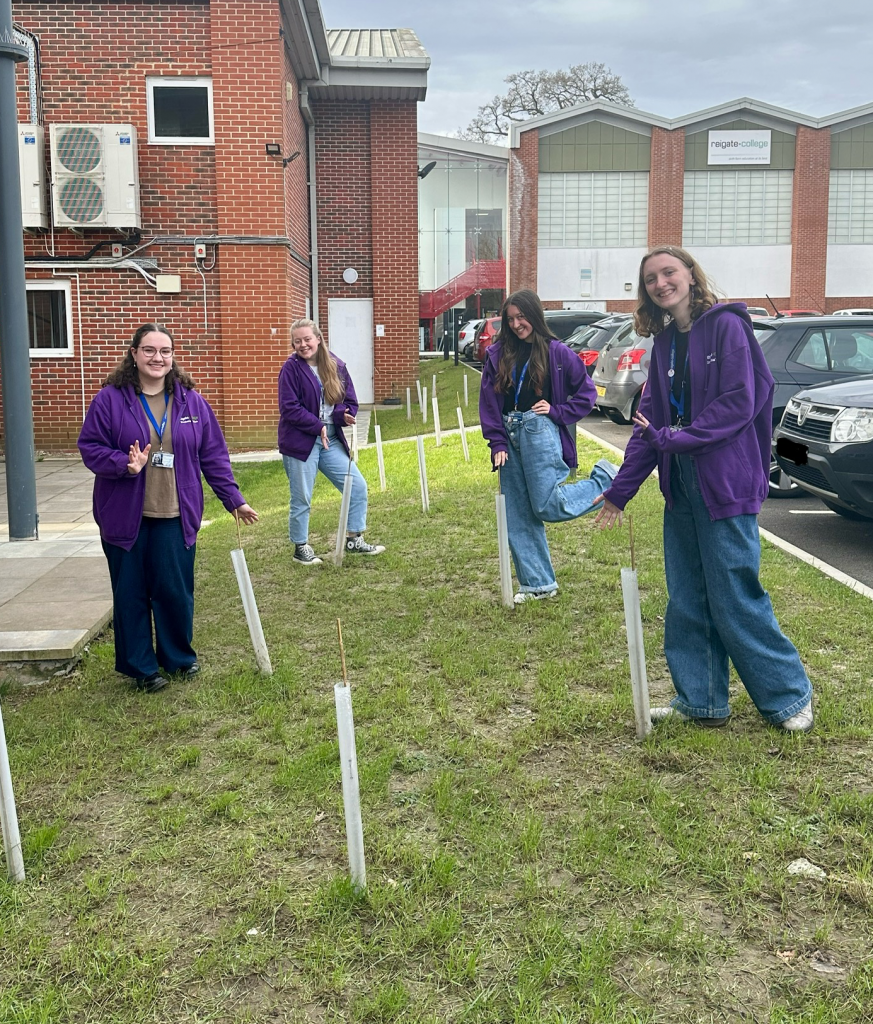
Student members of Reigate College’s Sustainability Committee welcome the new saplings on site

In an exciting display of environmental stewardship and community engagement, Surrey’s Reigate College took further steps towards sustainability by participating in Clarion’s innovative tree planting scheme. With the planting of 30 blackthorn, wild cherry and hazel trees, the college has not only enhanced its campuses green space but also took steps to sequester their carbon emissions through the trees’ absorption of carbon dioxide. This initiative, part of a broader collaboration between Clarion and Carbon Footprint UK, aims to instil an ethos of environmental responsibility within the UK’s academic spaces and provide a greener learning environment for the next generation of students.

Reigate College: A Model of Green Initiative

Reigate College’s involvement in Clarion’s free tree saplings for education scheme showcases how academic institutions, no matter their size, can play an active role in environmental conservation and carbon offsetting. The college’s decision to document and share their tree planting project serves as an inspirational blueprint for other schools and colleges and is an excellent example of how a small step can make a big change for many years to come. It highlights the simplicity and impact of incorporating sustainability into educational practices. The college’s Director of Estates and IT, who also worked with Clarion to upgrade the college’s phone systems to a modern VoIP solution,

commented “While we already have some wonderful mature planting and green space on our campus, Clarion’s donation of young trees will enhance our green space for the years to come.”

Tilly, a member of the College’s Student Sustainability Committee said, “We’re looking forward to seeing the saplings grow and in future, they will bring welcome shade and increase biodiversity at the College.”

The Power of Planting Trees: More Than Just Carbon Offsetting

Trees play a pivotal role in our planet’s ecosystem by sustaining local wildlife, releasing clean oxygen for us to breathe, and add beauty to the landscape. But beyond their role in creating biodiverse landscapes, trees also have the ability to sequester carbon dioxide. As natural lungs of the earth, trees act as air purifiers that can filter water, prevent soil erosion, and offer shade and cooling, reducing the need for air conditioning in nearby buildings.

In the UK, the average carbon footprint is estimated to be around six tonnes of greenhouse gas emissions (GHG) per person, per year and the CO2 emissions is estimated to be around five tonnes per person per year. Fortunately, to minimise the adverse effects of these greenhouse gas emissions, UK schools, academies and colleges are taking active steps to reduce their carbon footprint by planting British-native trees on their grounds.

A college campus can benefit wildly from enhancing their green spaces and even amplify the educational opportunities they present. Through hands-on involvement in tree planting, students gain a deeper understanding of ecology, biology, and the importance of environmental conservation. Educational institutions participating in the free tree scheme are afforded a unique opportunity to integrate environmental science into their curriculum, foster a sense of stewardship among students, and take a small step towards environmental protection.

Clarion’s initiative to provide free trees to schools, colleges and academies across the UK is a visionary project with tangible benefits for both the environment and educational communities. By offering native British saplings to all Clarion Academic clients at no cost, Clarion and Carbon Footprint UK are removing barriers to participation, enabling schools of all sizes and resources to contribute to a greener future.

Get A Plan Of Action For Your School

As the world grapples with the pressing challenges of climate change and biodiversity loss, initiatives like this have been designed to support biodiversity, enhance the UK’s natural landscape, offset CO2 emissions, and protect forests and biodiversity on a national scale. Reigate College’s successful participation exemplifies the scheme’s potential to effect meaningful environmental and educational outcomes. By joining forces, British schools, colleges, and academies can make a significant impact, planting the seeds for a healthier planet and a more environmentally literate society.

Together, we can cultivate a greener, more sustainable future, one small sapling at a time.

1038

Posted 2 years ago

We would like to share one of interviews that ended 2023, we spoke with Knitluxe Studios about their wonderful business.

1. A background profile about you

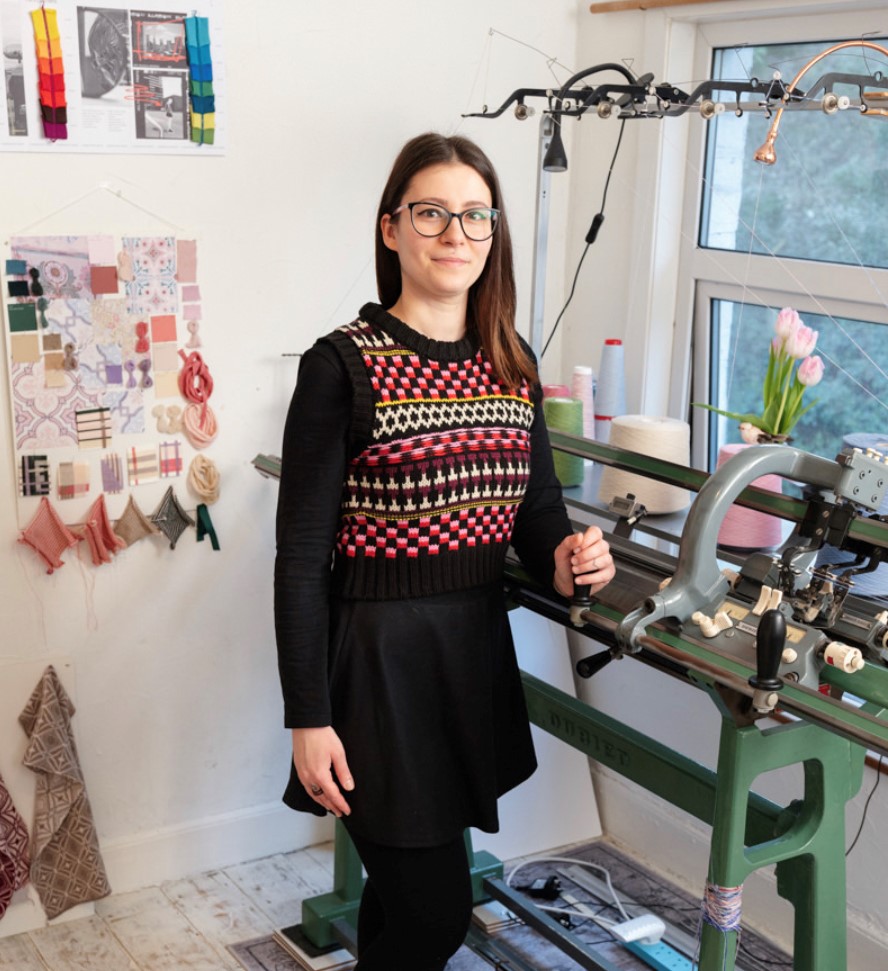
Szilvia Burrows is an award-winning textile designer specialising in knitwear, located in Buckinghamshire, England. Where she graduated from Buckinghamshire New University to realize her dream of becoming a designer. In 2017 she graduated with First Class Honours and was awarded first prize of the Hill Osborne Bursary by the Worshipful Company of Framework Knitters the same year. After a successful career in product design working with brands such as Tom Dixon and Joseph Joseph, and in response to her research and passion for Ethical Fashion, she decided to pursue her own vision to create reimagined, sophisticated yet practical and sustainable handcrafted products.

2. Why would you like to be interviewed by us?

Owner and Designer-maker, Szilvia’s vintage knitting machine is a fine gauge hand flat Dubied knitting machine, considered vintage now as they are no longer being manufactured as digitally operated knitting machines took over. Learning and knowing how to create fabric on these machines is a skill that less and less people are taught and has a chance therefore to be a forgotten trade in the future.

Szilvia is also a knitwear technician in the university where she undertook her degree, teaching machine knitting to the next generation along running workshops and teaching garment calculation, garment construction, creative knitting, and constructed textiles.

Szilvia’s other biggest focus along carrying on the traditional machine knitting craft is sustainability. While in university, working on her graduate collection she quickly realised that natural materials such as wool is underappreciated and undervalued.

Merino wool is one of our oldest, natural fibre with advanced technical properties such as breathable, lightweight, renewable, odour repellent, body temperature regulation and many more. Making products not just super soft against the skin but safe too.

With her practice her aim is to create timeless knitwear made entirely with the finest quality wool on the market to commit to a better future. Szilvia intends to make woollen knitwear fashionable, while helping you maintain a greener wardrobe.

3. What is the name of your business?

Knitluxe Studio

4. Do you have a topic you would like to base your interview on?- Wearing and using more wool

Wool is one of our oldest natural materials with several amazing properties:

Wool is 100% natural, composed of a natural protein that is like human hair, wool grows on sheep which consume a simple blend of water, sunshine, and grass. Renewable: Sheep produce a new fleece every year, making wool a completely renewable fibre without depleting finite natural sources. In contrast to synthetic fibres and garments, Merino wool is an active fibre that reacts to change in the body temperature, so it helps you stay warm when the weather is cold and cool when the weather is hot. Natural elasticity helps Merino wool garments stretch with you, yet return to its

original shape, making Merino wool clothing ideal to wear when exercising. Durable, reusable, and recyclable, naturally fire resistant, UV- resistant and biodegradable: Wool decomposes in soil in a matter of years, releasing valuable nitrogen -based nutrients back into the soil. In contrast to synthetics, Merino wool can absorb moisture vapour, leaving less perspiration on the skin, reducing odour- causing bacteria. Easily refreshed by airing, wool garments can be worn longer between washes due to wool’s natural ability to shed dirt and bacteria. Merino wool can even absorb the odour molecules from sweat, which are only released upon washing.

Along with these naturally advanced properties, wearing wool is also contributing to a more responsible and ethical consumerism.

knitluxestudio.co.uk

3798

Posted 2 years ago

New research from plastic pollution prevention startup CleanHub reveals the biggest corporate greenwashing fines and settlements – with Volkswagen’s Dieselgate emissions scandal penalty topping the list at over $34 billion. 

Here are the key findings:

  • The ten corporate fines, settlements, and donations range from the hundreds of thousands to the billions, with all of these taking place in the last 10 years showing how serious the financial implications for greenwashing have become.
  • Car manufacturers Volkswagen (#1) and Toyota (#2) top the list with fines of $34.69 billion and $180 million, respectively, from falsified emissions data and delays to emissions reports. Additionally, the 2014 VW Dieselgate scandal was a landmark first for corporate greenwashing fines of this magnitude.
  • Banking and financial firms DWS (#3), Goldman Sachs (#7), and BNY Mellon (#9) feature throughout due to their misleading ESG funding claims – DWS was fined most at $25 million.
  • Food companies Keurig (#4) and Kohl’s/Walmart (#6) both appear as a result of misleading packaging materials. 
  • Oil company Eni (#5) claims that their palm oil diesel was ‘green’ cost them $5.6 million.
  • While not technically fines, clothing brands H&M and Decathlon made donations to sustainable causes after using unsubstantiated eco-friendly terms on their labels.

Here’s the ranking table of all 10 companies featured (we’ve converted the fines to US dollars for consistency):

RankCompany Fines/Settlements, Donations ($)Reason for fine
1Volkswagen$34.69 billionImplementing software that falsified data and helped evade emissions tests on its vehicles
2Toyota $180 million Delayed sharing of emissions-related reports 
3DWS $25 millionPotentially marketing ESG funds as ‘greener’ than they actually were 
4Keurig $12.2 million Making misleading claims about its single-use coffee pods, suggesting they were recyclable when recyclers don’t widely accept them
5Eni$5.6 millionClaiming its palm oil diesel was ‘green’ 
6Kohl’s & Walmart $5.5 million (combined)Both claimed their products were made from environmentally friendly bamboo when they were made from other materials 
7Goldman Sachs$4 million Failing to follow ESG investment policies and misleading its customers 
8BNY Mellon$1.5 millionFailures to implement ESG policies and overstating the ESG value of its funds
9/10Decathlon & H&M$530,000 and $430,500 (donations)Technically, these were donations made to sustainable causes by the companies due unsubstantiated claims on their labels

The new Cleanhub report aims to help businesses understand greenwashing and the consequences, detailing each company case, highlighting the fines they received, the reasons why, and how they responded. 

Please read it here: https://blog.cleanhub.com/greenwashing-examples

ESG (Environmental, Social and Governance) strategy has become a key part of modern businesses, with 98% of CEOs in 2023 stating that it was crucial to their roles. However, as this increases, so do cases of corporate greenwashing

Two-thirds of US businesses admitted to greenwashing last year, which if found guilty, can have dire outcomes including large fines and negative publicity that turns customers off. 9 in 10 consumers recently stated that it’s important to them for businesses to act in a socially and environmentally responsible way.

Authorities worldwide are introducing more legislation and penalties to deal with greenwashing. At the start of 2024, the European Union adopted a new lawto stop these practices. In October 2023, the U.S. Securities and Exchange Commission imposed harsher reporting standards around ESG funds, and in November, the UK Financial Conduct Authority (FCA) published it’s new general anti-greenwashing rule that requires financial firms to ensure that their labelling is fair, clear and not misleading.

CleanHub’s Vice President of Marketing, Nikki Stones, had this to say on the rankings:

“Given how substantial these fines are, it’s clear that regulators are trying to send a message to companies. The days of quiet punishments are over when it comes to greenwashing — brands that intentionally mislead consumers over green initiatives will be severely penalised moving forward.

We expect to see more greenwashing fines in the coming years too, with new EU legislation on the horizon. To swerve these penalties, companies need to make sure all of their environmental claims and initiatives are transparent, truthful, and are backed up with evidence.”

1134

Posted 2 years ago

A NEW campaign which aims to promote wider citizen participation in food systems and empower them to seek greater transparency over where their food comes from, has been launched by new movement for collective action, Inclusive Food.

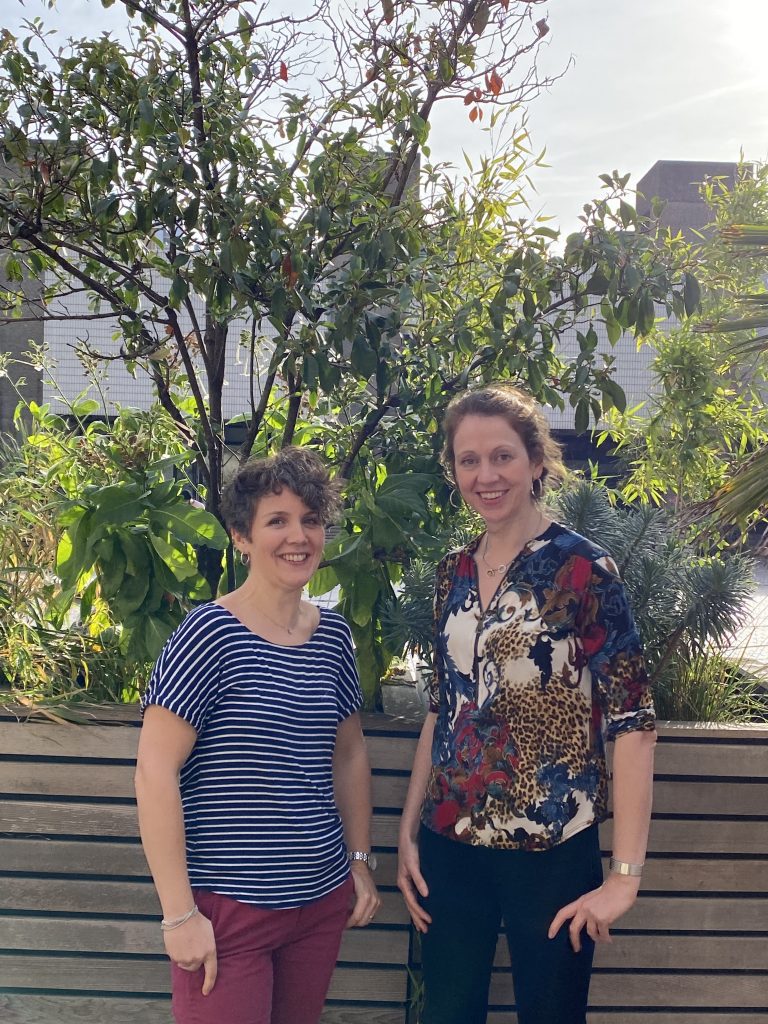
Inclusive Food is spearheaded by two UK researchers, Dr Anne Touboulic and Dr Lucy McCarthy who are based at the University of Nottingham and the University of Bristol.

Aiming to help challenge the often-damaging global food systems, the new campaign seeks to address critical sustainability concerns related to food production and consumption. It also aims to help drive change by bringing about a fundamental rethinking of food supply chains, and how they connect consumers, big food producers and farmers.

Inclusive Food’s campaign builds on existing climate research that has shown that agriculture is directly responsible for 8.5% of all greenhouse gas emissions, with a further 14.5% coming from land use change, and 80% of deforestation attributed to land being cleared to grow food.

Meanwhile, long supply chains and a reliance on produce which is out of season, or has been heavily processed, is further increasing the impact current food production and consumption practices are having on the Earth and its citizens.

In addition to being co-founder of Inclusive Food, Dr Anne Touboulic is also an associate professor at the University of Nottingham, and a core member of the Food Systems Institute, an interdisciplinary centre for food research. She believes the way food is currently produced and consumed cannot continue at the rate it is, and change is long overdue.

She said: “Food is essential to everyone, but the way our food systems promote over-production and over-consumption is not. Our current food systems are organised in a way which is deeply damaging both ecologically, and to those whose labour is involved at different stages of the food chain.

“In addition, the forces of globalisation and industrialisation have irreversibly shifted the way food is produced, consumed, and organised. Through our campaign, we’re aiming to equip citizens with the knowledge to help them make informed decisions about where their food is from, so they can be empowered to help make a change.”

Inclusive Food believes transforming food supply chains is critical for reaching the UK’s carbon reduction targets, as well as for developing systems that will cope with the damage already caused to the Earth.

Inclusive Food co-founder Dr Lucy McCarthy is a senior lecturer at the University of Bristol, a core member of the Food Justice Network and a member of the Sustainable Production & Consumption and Inclusive Economy and Action Research and Critical Inquiry in Organisations research groups.

She added: “The changing climate means we must rethink our food systems. We’ve come to rely on extended food supply chains. In the UK for instance, we import a significant amount of food from locations that are already being disproportionately affected by climate change, which in part results in significant decreases in food productivity. For example, Spain produces most of the fruits and vegs consumed across Europe, but it is already being disrupted by changing weather patterns, and it is estimated that crop yields will decrease by a further 15 – 30% as global temperatures increase.

“Growing food more locally and in a wider range of places will help to compensate for the damage that is already happening, while also reducing further impact. Research from the Food and Agricultural Organisation shows that over 90% of crop varieties in the farming industry have been lost over the last century, a decline that’s linked to large scale farming. Many of the remaining crops are energy dense and high in caloric values but depleted of vitamins and nutrients. And although this has short term benefits for increased yields, it increases the environmental cost of growing food, as ecosystems are altered to suit the limited variety of crops.”

The new movement hopes to empower people to move away from ultra-processed diets to help lower the energy and overall environmental cost, while also shifting from a food system largely controlled by large corporations. This includes harnessing the power of simpler diets with less ultra processed foods where possible, as well as fewer calories, which can help to improve wellbeing and help the environment.

Believing that change should be both top-down and bottom-up, Dr Touboulic and Dr McCarthy are inviting as many people as possible to join them in holding to account large powerful organisations such as big retailers and manufacturers as well as policy makers so that they do their bit to drive change.

Dr Anne Touboulic added: “Sometimes as citizens, we can feel powerless or unsure of where to start to drive change and that’s okay. A good place to start can be as simple as asking those important questions about what you eat, and where it comes from. We need to reconnect with the natural cycles and break away from expecting all foods to be available at all times. This is something that individuals should consider, but primarily we require radical change in how supermarkets and other organisations operate and what they offer.

“In an effort to eat seasonally, we also need to be aware that climates are changing across the world and that this can create different seasons for food. But also it’s about educating ourselves as to when particular foodstuffs are in season and where they come from.

“It’s down to all of us to encourage large retailers to source more locally and to take responsibility and accountability for their own actions. It is only through collective action and engagement that we can create changes that encourage more sustainable food supply chains.”

To find out more about Inclusive Food, visit: https://inclusivefood.org/