1246

Posted 2 years ago

Launching in October 2023, #PLANTOBER is the new month-long campaign encouraging people of all ages to plant and grow native tree seeds for future generations to enjoy and to help meet the UK’s net zero goals. 

The brainchild of International Tree Foundation, the world’s oldest tree-planting charity, and Creating Nature’s Corridors, #PLANTOBER invites everyone to forage for tree seeds and seedlings, especially native species including hazelnut, conker, sweet chestnut, acorn, walnut or beech. To identify the seeds, visit  internationaltreefoundation.org, which also features a simple guide on planting and nurturing the seeds, ideally using old milk or juice cartons. 

After one year, #PLANTOBER and its partners will offer advice on how to plant out saplings, either in private gardens or at nearby community planting sites, where the saplings can be planted out to continue their growth.  

#PLANTOBER aims to accelerate the planting of 1.5bn new trees needed to help the UK meet its net zero carbon target, set in line with the international scientific warnings on the climate crisis.  #PLANTOBER will encourage more people to plant trees and, crucially, to ensure their survival after planting.  

Commenting on the campaign, James Whitehead, CEO at ITF, calls on people to find, plant and nurture tree seeds, saying: “#PLANTOBER is a brilliant and simple initiative that anyone can enjoy. #PLANTOBER is also a great way of nurturing a life-long love for trees and nature in young people, who will relish a scavenger hunt for seeds. Planting the seeds and watching them grow is easy, rewarding and a practical way to address the climate crisis.” 

For further information please contact: 

Camilla Leask, Camilla@internationaltreefoundaiton.org / 07879 612341 

1331

Posted 2 years ago

Despite survey data from The Eco Experts revealing 73% of Brits think we are in a climate emergency, Transport for London’s (TfL) ultra-low emissions zone (ULEZ) initiative remains unpopular. This lack of interest highlights the UK public’s unwillingness to support lower emission policies, which could be fuelled by the current cost of living crisis.

TfL rolled out its expansion of the London ULEZ earlier this week. The zone now covers the majority of Greater London, including Heathrow Airport amid criticism. 

Anyone driving within the zone with a vehicle that does not comply will now have to pay £12.50 per day. 

The plan has been criticised from the start, with several councils attempting to block the plans back in February. These five councils were overruled by the high court and their legal challenge was dismissed at the end of July. 

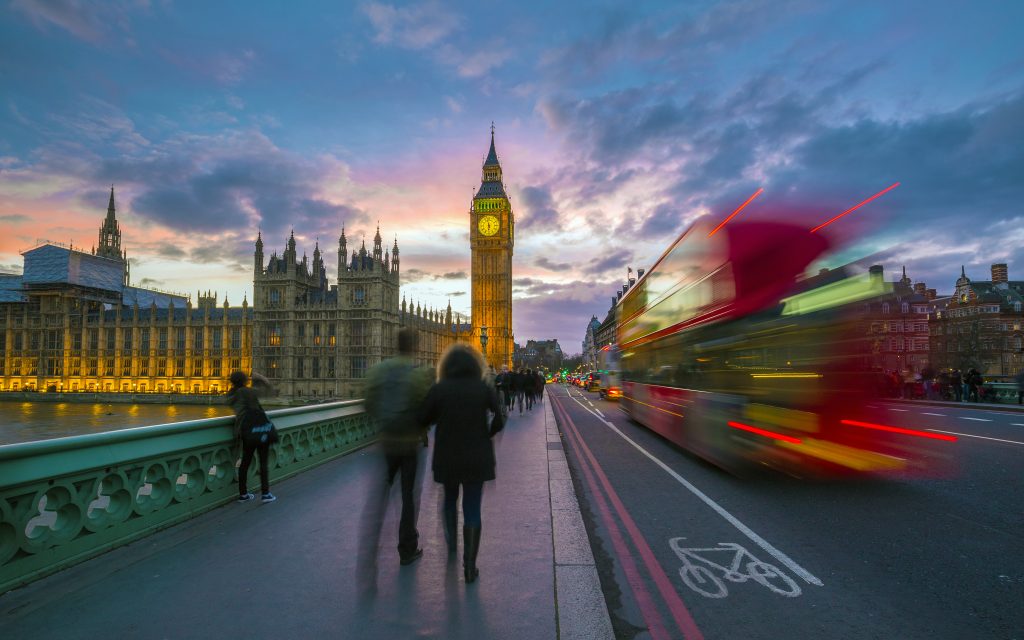
London, England – Iconic Red Double Decker Bus on the move on Westminster Bridge with Big Ben and Houses of Parliament at background. Sunset with beautiful colorful sky

In Greater London, there have been protests with the destruction of ULEZ technology to prevent the monitoring of vehicles, despite the fact that 92% of the cars registered in the area are ULEZ compliant.  

With 76% of Brits not happy with government support during the energy crisis, the government and local councils will need to support residents further when making essential emission reduction policies to prevent backlash. 

The cost of electric vehicles can deter UK drivers from making low-emission purchases. If the government wants to entice Brits towards sustainable transport, they must consider the financial impact of making these decisions amid a national cost of living crisis.

The UK is currently lagging behind in its goal of a 68% reduction in emissions by 2023, compared to 1990 levels. Without essential measures, the UK government won’t achieve this target. 

The Editor of The Eco Experts, Charlie Clissitt, comments: 

“It would obviously be a mistake to dismiss people’s anger at the expansion of ULEZ as unreasonable. This change has imposed a new cost on a lot of Londoners, which is particularly difficult to reconcile with the current economic climate. Unfortunately, the UK’s route to Net Zero will involve a series of painful decisions, but they’re all necessary if the UK is serious about leading the charge against climate change”