2064

Published July 21, 2022

Recently we’ve seen major headlines referencing a fatberg that’s been disrupting the flow of the Thames, and it’s the size of two tennis courts. Now, this isn’t a hint to grab your racket and the nearest ball boy, it’s a wake-up call to acknowledge the shudder-inducing number of nether-napkins caking up our riverbeds. The Times, The Telegraph, The Independent and a variety of other news outlets have been urging the public to stop flushing the pesky potty wipes.

In fact, this specific fatberg, coined ‘wet wipe Island’ was found in Hammersmith, London, and is the result of countless people flushing wet wipes down the loo. A fatberg is a build-up of grease and household waste that can block sewers and increase overflows into rivers, and around 90% of the matter found in them is wet wipes. Flushing wipes significantly increases the risk of fatbergs, sewer blockages, water body pollution and negatively impacts aquatic wildlife.

How are wipes getting from the loo into our rivers in the first place? If wipes are ‘fine to flush’ then how is this happening? And what can we do to prevent the negative impacts?

Discover the guilt-free alternative to wet wipes that won’t harm the planet
How do wet wipes end up in our rivers? – The origins of ‘Wet Wipe Island’

When we flush, the contents of the toilet shoot down the pipes of our house, into the sewers, and take a day trip to the nearest water waste treatment centre. However, when blockages (like fatbergs) form during this process, they can cause major disruption. Not only that, but sewage and water waste treatment centres can only withhold a certain level of waste and are designed to overflow when there is heavy rainfall or flooding. And where do you think the wet-wipe laden waste water is expelled to? Yep, you guessed it! Our lovely local rivers and watercourses, yay (not)!

Water companies are being prosecuted every month for discharging raw sewage into rivers and watercourses. Millions of pounds worth of fines have been distributed to water companies in the last 12 months, nationwide. This doesn’t come without cost to the general public either, it’s the taxpayer that funds the removal of accumulated waste in our rivers.

Fatbergs are only one part of the issue too. The wipes included in the discharge of this raw sewage create choking hazards for wildlife, whilst ruining beautiful landscapes and contaminating the water that some may allow themselves or their pets to swim in. Let us tell you, Thames’ tummy will be the least of your worries once you find one of these little naughty napkins floating by you on your morning swim.

It’s so easy to assume that flushing ’just one’ wet wipe won’t make a difference, but we still see millions of colon cloths being flushed each year in the UK. The average Joe can’t be blamed for this though. The packaging of these sewer stoppers can be very misleading when it comes to what can and can’t be flushed, meaning that innocent people are falling victim to the ‘flushable’ façade.

Are ‘flushable’ wet wipes a practical solution?

The UK has been suffering the consequences of flushed poopy petticoats for a while now, and wet wipes marketed as ‘flushable’ are making matters worse. But ‘flushable’ isn’t the same as ‘fine to flush’. When you see ‘flushable’ on your packet of tedious towels, it generally means that it will get past the u-bend and won’t block your pipes. However, these wipes are still making up a huge part of the fatbergs in our sewers.

‘Fine to flush’ is an accreditation that was introduced in 2019 to decide whether specific wipes dissolve fast enough to avoid being caught in sewage blockages, giving consumers the opportunity to make conscious decisions when wiping with a moist toilet wipe. Be sure to look out for the ‘fine to flush’ symbol if you need to buy wet wipes. However, this is only effective when one wipe is flushed at a time. The ‘one wipe at a time’ rule, unfortunately, isn’t widely understood which makes ‘fine to flush’ not very fine in the end. Furthermore, there are a number of studies that show that even certified ‘fine to flush’ wipes are responsible for sewer blockages in the UK (although thankfully fewer than their dreaded plastic cousins).
But are ‘flushable’ wet wipes actually safe to flush?

Technically, yes, you can flush wet wipes that have the ‘fine to flush’ accreditation but it’s important to keep in mind the rule of flushing one at a time.

The issue with ‘flushable’ wipes is that even though they can decompose, it doesn’t mean that they’ll do it quickly. Because these wipes take longer to dissolve, the chances of them causing blockages and adding to fatbergs is still a major concern for our sewers (and us!).

That being said, even with 100 certified manufacturers selling ‘fine to flush’ wipes, Thames Water still saw 24 million individuals admitting to flushing the malicious moisties that were advertised as un-flushable. If we don’t say goodbye to flushing before we think, we could be saying hello to more environmentally damaging and disruptive fatbergs like the recent one in Hammersmith.

Rebecca Pow even stated in parliament: “What I would say to everybody is if you don’t need to use a wet wipe, don’t, but also don’t chuck them down the loo,”

Find out more in our blog: Why Wet Wipes are Bad for the Environment & What to Do About It!

How can we prevent future wet wipe sewer blockages?

The way forward, in short, is to tackle the issue from the top. By encouraging restrictive regulation around the type of wipes that manufacturers can and can’t sell, we’re able to limit the distribution of wet wipes that are likely to cause sewer blockages, which have a high chance of ending up in our rivers. By acting as conscious consumers and supporting regulation that prohibits wet wipes, we will be on our way to reducing sewer damage and negative environmental impacts. If effective regulations are put in place, we may get to a point where we rarely see these colossal fatbergs ruining our local rivers and water courses.

Wet wipes have been on the rise over recent years, with people focussing more on personal hygiene due to the pandemic. The top offenders are baby wipes, household cleansing wipes, makeup removing wipes, and you know it, flushable wipes. The proliferation of wipes for every purpose has led to confusion as to which can be flushed, how they should be flushed (never more than one at a time) and whether the convenience of the disposable doilies is worth the short-term benefits, in the long run.
Eco-friendly wet wipe alternatives that go without flushing

Now, 10 years ago you would have been hard-pressed to find eco-friendly alternatives for your day-to-day items. But that is no longer the case, there are a vast range of alternatives, with science to go with them. Below we have listed some of our favourite options that keep the world turning and the water in your pipes flowing.

Make-up wipes:

With plenty of options for every wallet, makeup-removing reusable pads are gentler on your skin and don’t require excessive scrubbing. Pop them in the wash when they’re dirty and once clean, they’re ready to be used again and again!

Baby wipes:

If you can’t help but think of the world your kids will be inheriting long after you’ll be done wiping their behinds, start by never flushing baby wipes, make sure to chuck any (plastic-free) wipes into a nappy bin, and finally if you want to stay away from any single-use items, opt for reusable baby wipes.

Household wipes:

Now, nobody enjoys cleaning the toilet, and the temptation to get rid of anything that came in close contact with the exploits that we’re least proud of is understandable. However, a bit of queasiness is nothing that a good pair of gloves and some determination can’t solve.

1- Make sure to keep all your toilet cleaning materials separate from the ones you use in the rest of the house, don’t want to be mistaking a face cloth for your toilet cleaning cloth, do you?

2- Help yourself with a toilet brush to get the worst of the grime off, and make sure to use an eco-friendly cleaning product as well!

3- If your seat is in a right state, give it a first pass with some toilet tissue or kitchen roll (If you use kitchen roll do not flush it) and then go ahead with the reusable wipes to get a sparkling finish. Grossed out? Nothing that a good hot round in the wash can’t kill.

To help separate reusable cleaning cloths from face cloths and everything else, you can opt for colour coding, and make sure cloths with different purposes don’t get mixed up!

Toilet wipes:

Of course, when looking at the causes behind the formation of ‘wet wipe island’, we must acknowledge that much of the debris littering our riverbeds is the result of the most obvious commode commodity, the toilet wipe (or the variety of wipes that are deemed suitable to ‘toilet’ within a time of need, if you know, you know).

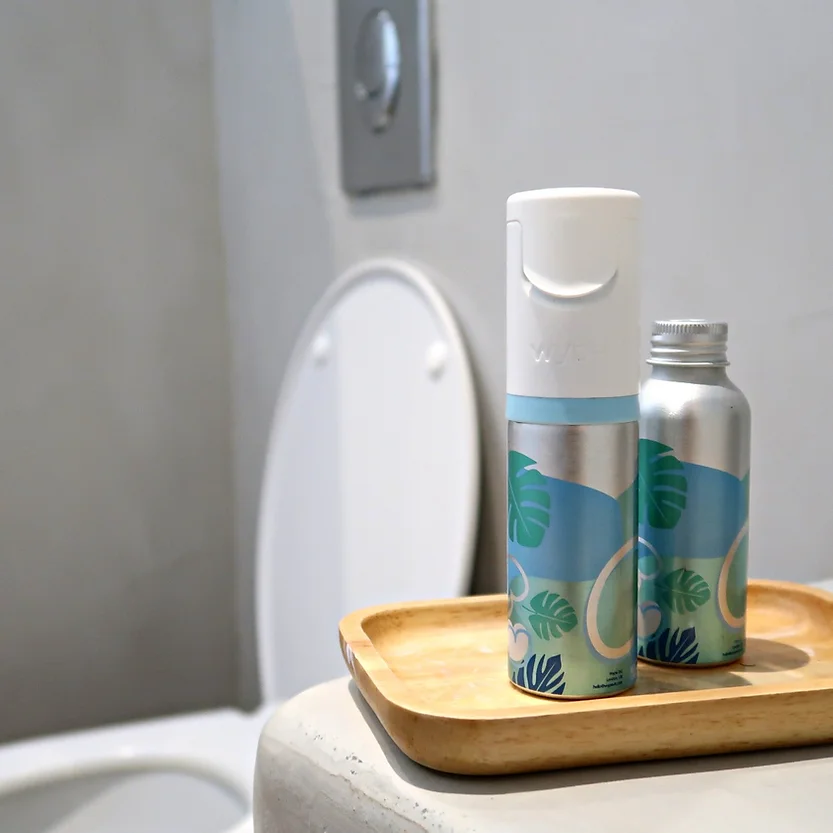
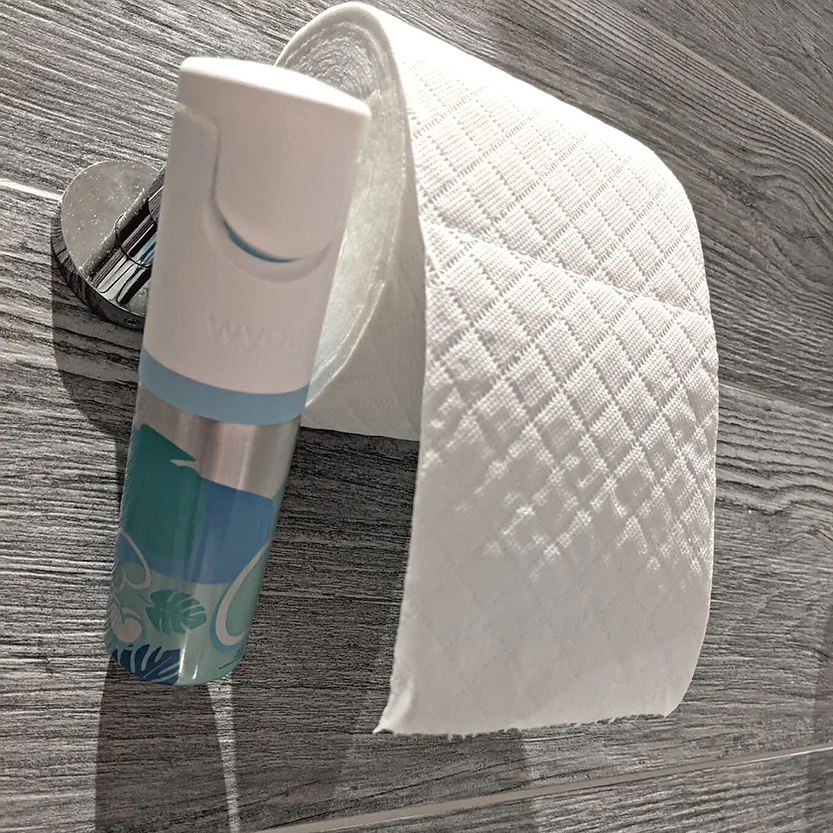
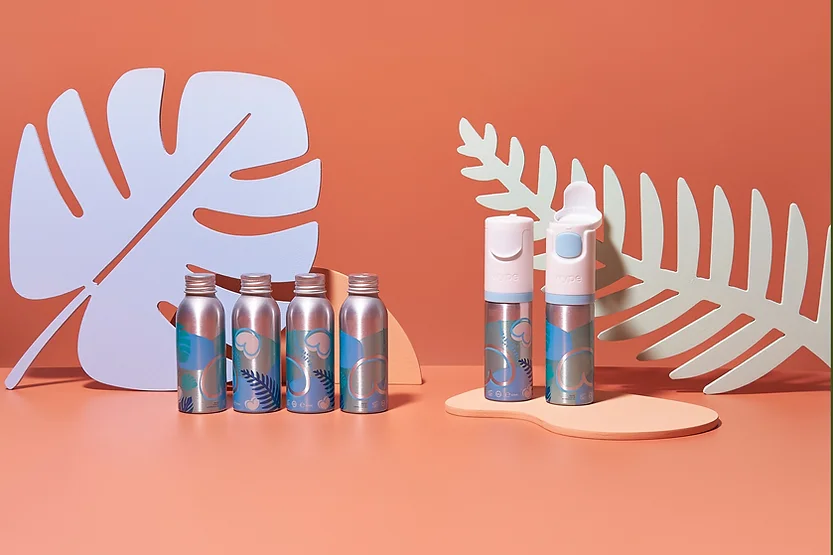
That is where Wype comes in. Wype specialises in combatting wet wipes with an eco-friendly gel. Simply grab a bottle of Wype gel and your favourite bog roll and wipe away without the fear of harming the environment.

A guilt-free flush is the best kind of flush, so don’t let toilet time get muddied by nasty wet wipes!

See what all the Wype’s about!

2009

Published July 20, 2022

A flock of ex-commercial chickens that had been destined for slaughter are now at the heart of a community food sustainability project.

The flock of 14 hens have been adopted from the British Hen Welfare Trust and now live at Roehampton Students’ Union’s ‘Growhampton’ project based at Roehampton University.

Now they are looked after by staff and volunteers as part of a project that aims to encourage everyone to think about sustainability issues.

Hillary Nevyjel, Chicken Care and Biodiversity Assistant, said, “We’ve rehomed hens three times since 2017 and they’re very friendly, much more so than when we first opened and had purebreeds.

“We have benches by the coop and when you sit with the chickens, they really cheer you up. You can just forget about everything and we get a lot of feedback that they’ve helped students cope with things.

“We’re an open campus so we have lots of people walking past them in the morning and families visiting at the weekend, the hens are popular with everyone.”

Alongside the chicken coop, the Growhampton project includes a café, built from former shipping containers, where eggs from the hens are sold, a polytunnel and various growing sites for fruit and vegetables.

Volunteers and staff at the site engage with outside organisations to help spread the message about sustainability.

Hillary said, “We try to engage not just with the university’s students but also the wider local community such as youth projects and elderly groups who come along to attend sessions about learning to grow and harvest your own food.

“The chickens are a great way to engage with people. Students, staff, and the community volunteer to take care of them and they’re a great focal point for everyone to learn more not just about hens but also to think more about where food comes from.

“Food sustainability and growing your own is becoming more important and people are beginning to realise that. Lots of visitors who come to our site take that message away with them and are inspired to try growing their own at home.”

If you’d like to adopt hens into your family or for a community project, find out when the BHWT’s next rehoming event is being held by visiting: https://www.bhwt.org.uk/hen-adoption/

To learn more about Growhampton, visit: https://www.roehamptonstudent.com/growhampton/

#britishhen #britishchicken #britishhenwelfaretrust #welfare #animals #animalwelfare #farming #rehome

1333

Published July 19, 2022

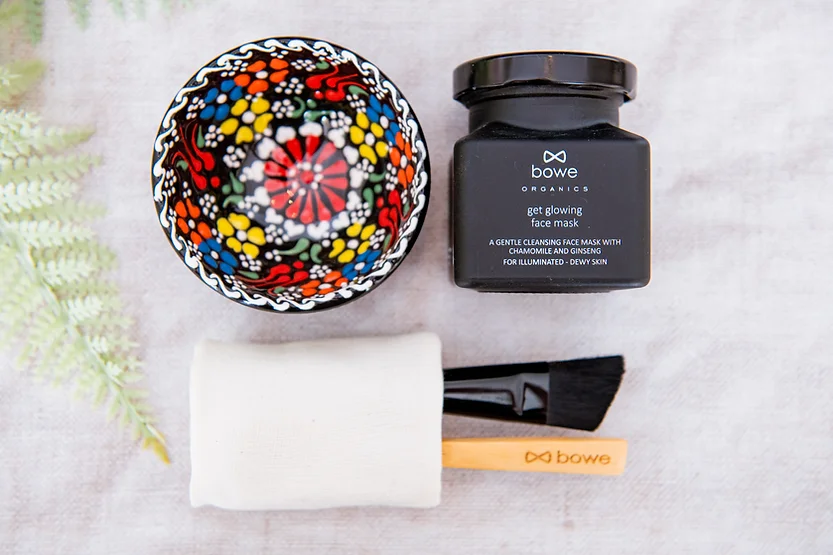
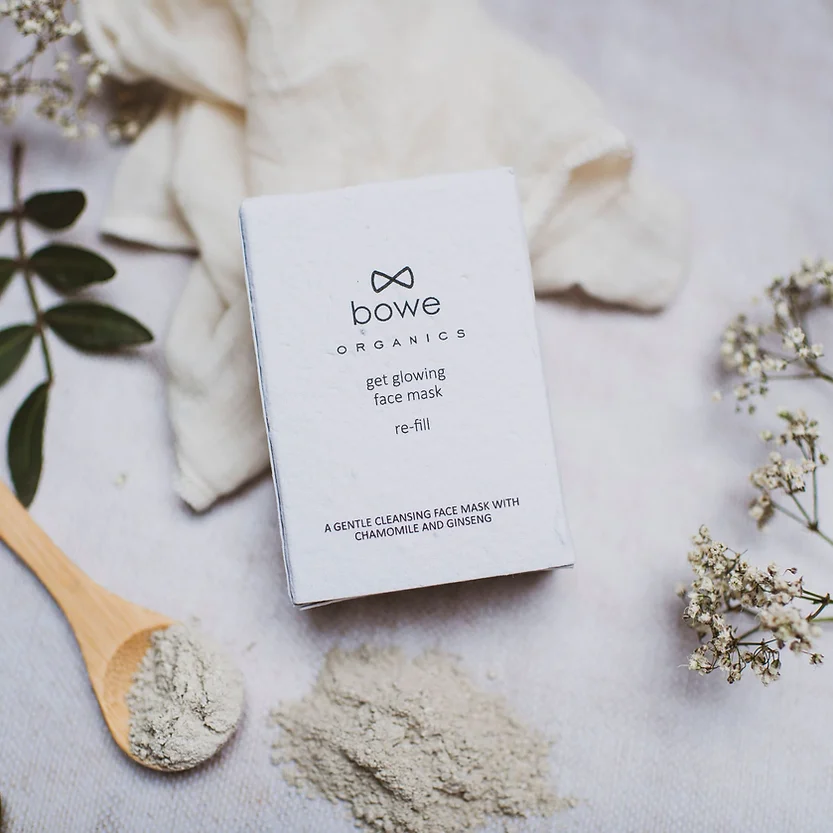
Bowe Organics has launched refills for one of its most popular products which go above and beyond when it comes to environmentally friendly packaging.

The refill boxes for the innovative beauty business’s Get Glowing Face Mask mean that you never have to worry about packaging again as they contain hundreds of tiny seeds. You bury the packet; it decomposes and in its place wildflowers will grow. Both helping the environment, the ecosystem and especially our all-important bees.

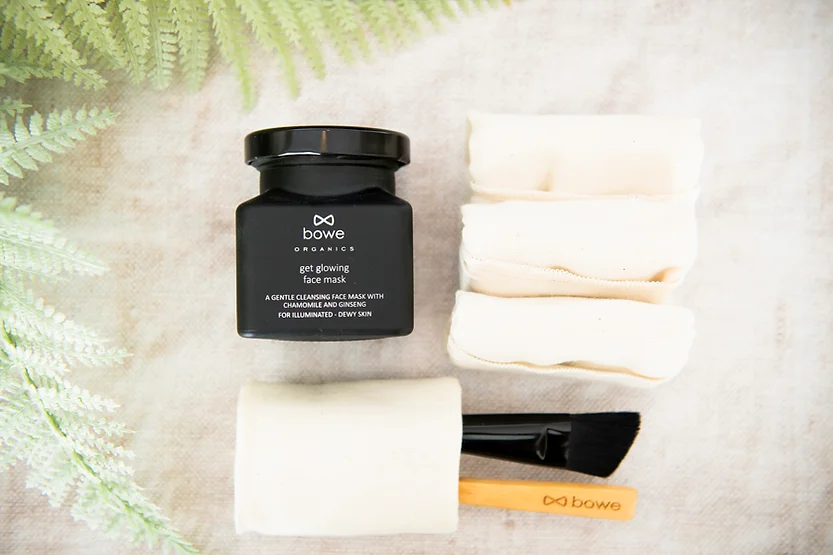
The refills are designed to go alongside Bowe Organic’s Get Glowing starter kit, the idea being that you will keep it for life.

Founder of Bowe Organics, Diane Bowe, explains: “I strive to only use ethically sourced ingredients and items, so for instance my muslin cloths are sourced by bypassing the camps in China where they hold Muslim women against their will. A fifth of the world’s cotton is made in this way!

“I have tried many face masks in the past and a lot of them leave my skin feeling dry and looking pink. This sent me on my journey to find more gentle ingredients.”

The mask itself is suitable for those with sensitive skin. It comes as a powder and is activated at home by adding water or hydrosols. When clays are activated before being packaged, they need a really hash preservative as it is very difficult to preserve an activated clay. This type of preservative can also react with certain skin types so by activating it yourself at home it is less harsh, less drying, and great for those with more sensitive skin.

The mask contains the following ingredients:

Siberian ginseng is known for its skin lifting benefits and its ability to give you a more youthful glow. Several medical studies have shown its effectiveness in fighting wrinkles due to its ability to boost skin-firming collagen.

Ground Chamomile flowers to calm the skin.

Kaolin clay helps stimulate circulation to the skin while it performs its gently exfoliating and cleansing action. It does not draw oil from the skin making it excellent for those with dry and sensitive skin.

Moroccan lava clay can purify and refreshes the skin. The minerals within – silica, iron, magnesium, potassium, sodium, lithium, and trace elements – contribute to skin health. Silica plays a role in keeping collagen healthy (which gives skin its elasticity), magnesium plays an important role in preventing DNA damage, while potassium keeps the skin cells hydrated and moisturised. It is great for drawing out toxins from the skin making it brilliant for cleansing.

About Bowe Organics

Diane founded Bowe Organics and launched her first product back in 2018. She is an organic and vegan hairdresser and is currently training to become a Trichologist.

Diane says: “After I discovered the incredible natural and organic hair products that were coming to market back in 2012, I became hooked and obsessed. Not just with the products themselves but with how they can have a positive impact on the environment and how organic farming can help our precious depleting soil and protect our ecosystem by not using nasty pesticides.

“This discovery led me to undertake further research into the ingredients used in many popular hair and beauty products and explore their impact on people’s bodies and the world. I became aware of how some farms are exploited and over worked for their ingredients and I set out to find a supplier that had a strict Fair Trade policy in place and who would not put pressure on their workers. It is very important to me that no one is exploited for my profit.

“I then set about learning all about botanicals and blending different organic ingredients together to develop my own artisan beauty products and brand. The result is Bowe Organics and a capsule collection of products that truly work.”

Based in the North East of England, Diane formulates everything herself with no third-party bases or fillers used to bulk the products out. Alongside the Face Mask she has also created a Lash Oil, a Brow Oil, a Lip Balm and a Hair Oil, with more products currently in development. Her Lip Balm, Lash Oil and Hair Oil are all award winning with the Lip Balm winning gold in the Free From Skincare Awards in 2021. Everything is Vegan Society registered and cruelty free.

www.boweorganics.com

2177

Published July 12, 2022

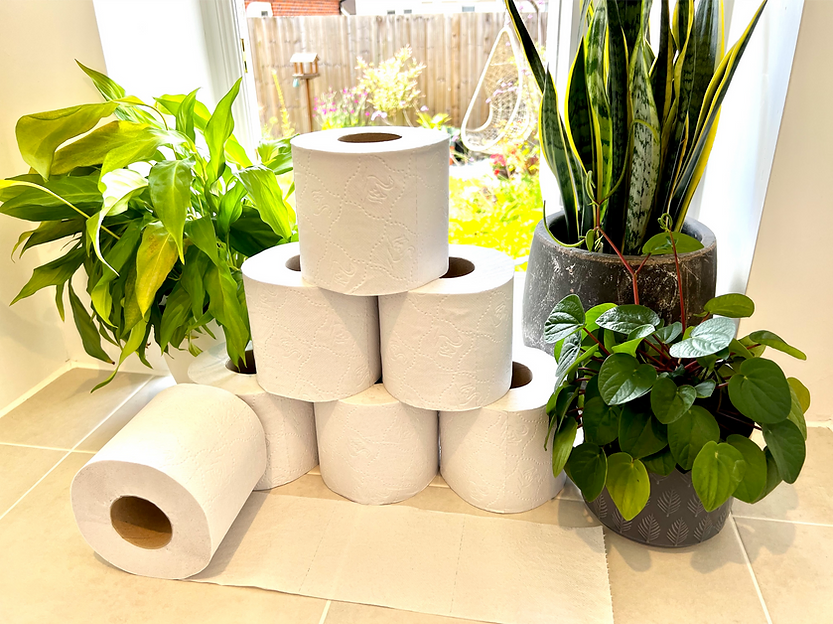
Every day around 27,000 trees are cut down globally for toilet roll, and 22,000 tons of plastic enter our oceans.

This has a devastating impact on our planet, and cannot continue if we want our planet’s biodiversity to thrive.

Honest Supplies launched a little over 6 months ago now, with a simple vision to provide eco-friendly products to people who love our planet.

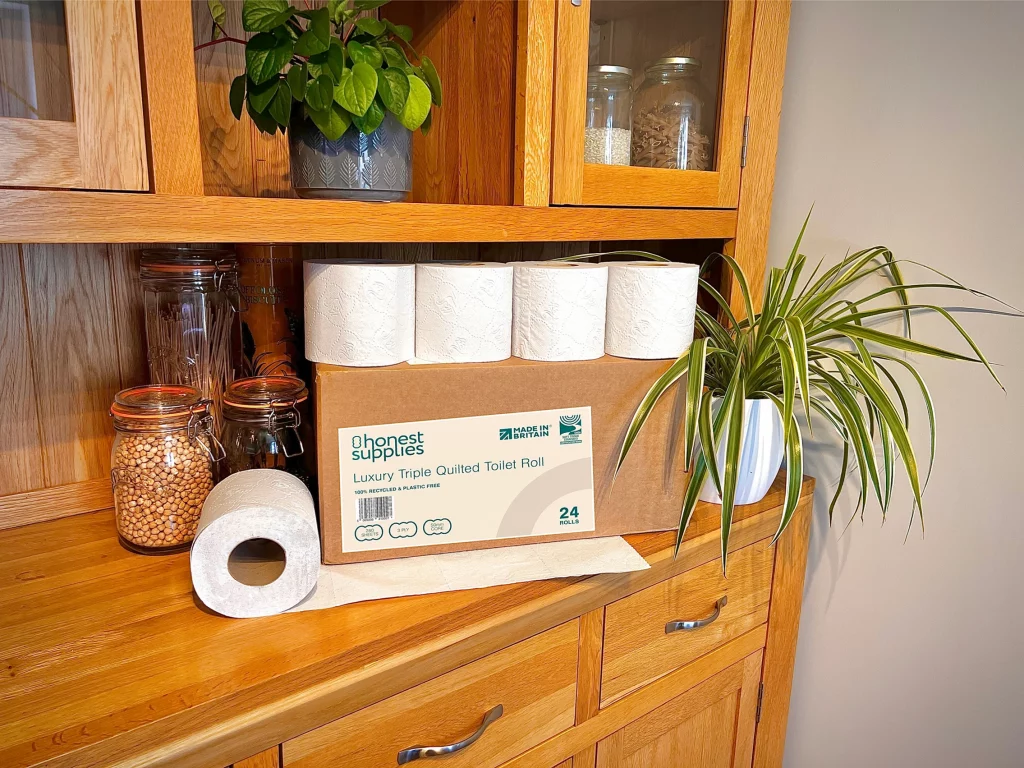
https://www.honestsupplies.co.uk/products/recycled-toilet-paper-3ply

It all started when we moved to a small village and started to shop in our local refill shop, making small but easy changes to reduce the amount we throw away. One thing we noticed was the amount of bamboo products like loo roll, and thought about the thousands of miles they have to travel before getting to the UK, and the working conditions of where they are made. We hope that our UK made products will provide a fantastic alternative.

We’re proud to say that our toilet paper is the only UK recycled roll that is 200% carbon negative. As it’s recycled we only reuse what’s already in circulation rather than cutting anything down, whether trees or bamboo. This helps to protect the habitats of wildlife and biodiversity. We only work with carbon reduction projects that have the gold standard certifications. This ensures that the carbon savings we report are accurate and the projects are seen to completion, creating local jobs, and therefore supporting those communities.

By choosing recycled pulp, we’re saving 30,000 litres of water, 4,000kWh of electricity, and 95% of air pollutants per tonne of pulp. These all contribute to huge savings of carbon dioxide from being released.

We think there is absolutely no need for toilet paper to be bleached white, it doesn’t matter what it looks like. So why add harmful chemicals when it’s not needed. This makes our rolls softer and kinder to your skin by being totally chlorine free.

As a new eco business, we are excited to continue to grow, reach customers across the UK, and expand our range to ensure plastic free, sustainable products are available to everyone.

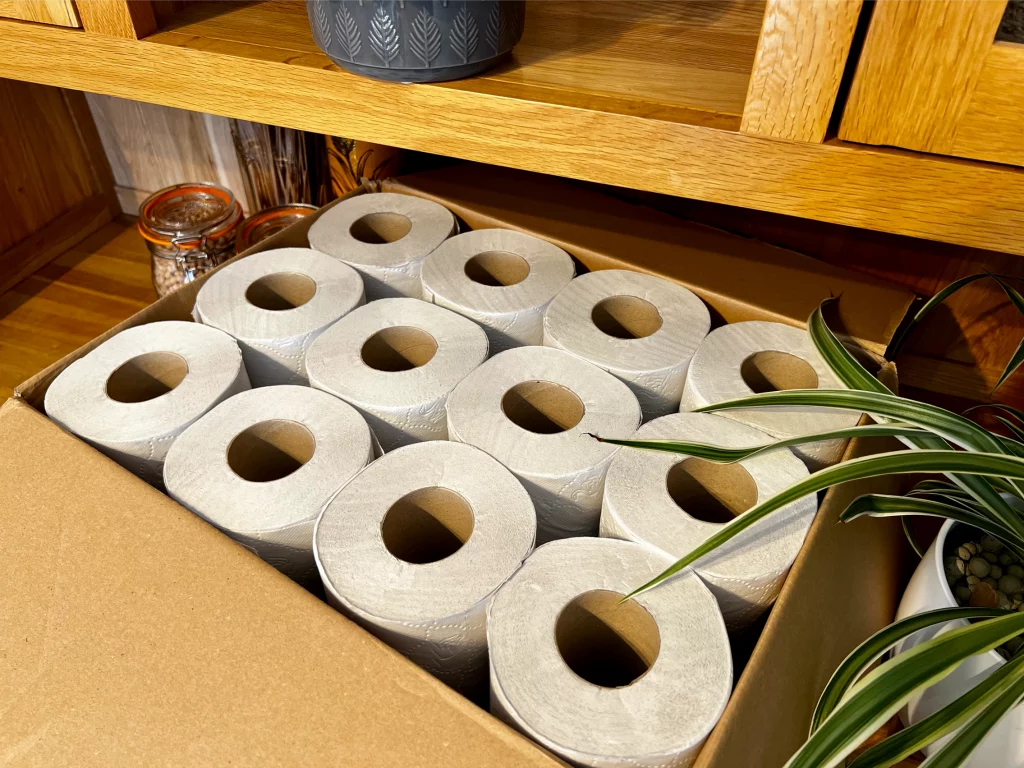
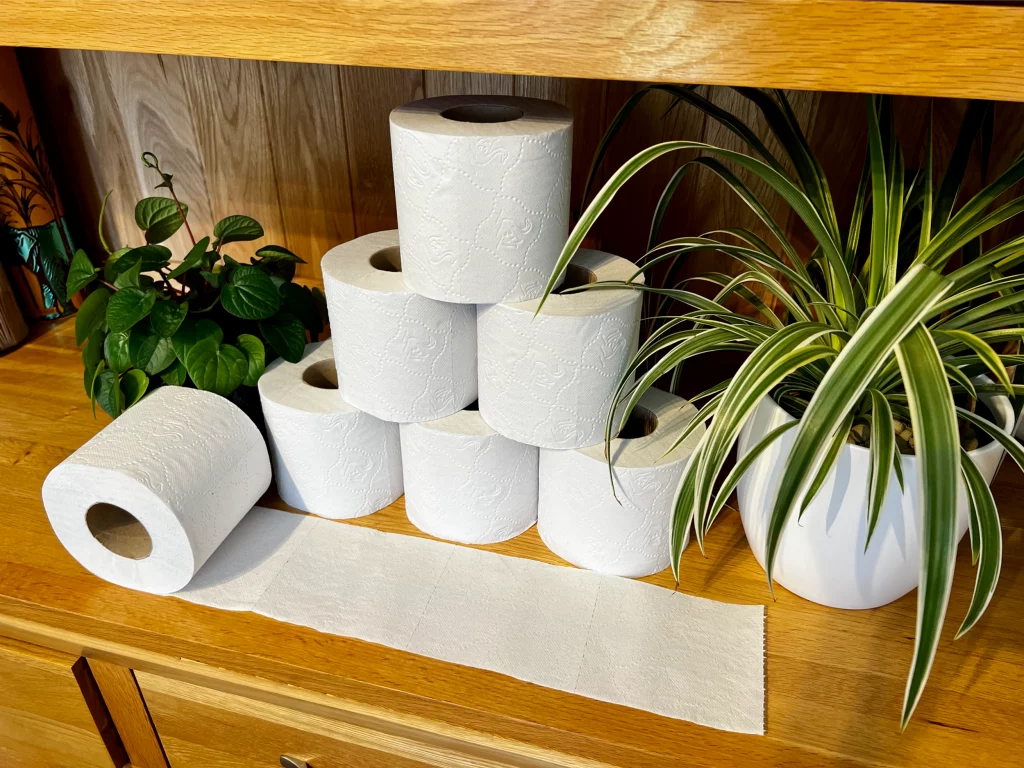
We offer both double & quilted toilet rolls that are almost twice the length of normal supermarket rolls, meaning you get excellent value, and we’re cheaper than leading bamboo brands.

Shop now – https://www.honestsupplies.co.uk/

Instagram – https://www.instagram.com/honest_supplies/

Facebook – https://www.facebook.com/RealHonestSupplies

#honestsupplies #toiletroll #toilet #toiletpaper #ecopaper #ecotoiletpaper

1661

Published July 7, 2022

In 1993 I went to Hong Kong to seek my fortune. In some ways I did. For upon my return to the UK after 1,000,000 lines of C code written I was diagnosed with Schizophrenic Disorder. However, from that diagnosis onwards to now is another story.

Moi, David Robertson

Here, I would like to introduce you to Lamma Island, Yung Shue Wan village which was my home for a year in 1993. First of all, I grew up in Hong Kong, so everything seemed familiar.

Hong Kong, for your information means Fragrant Harbour.
Lamma Island, Hong Kong – Yung Shue Wan Village – Source a calendar

On the commute from Central District on Hong Kong Island to Lamma Island (classed as an outlying island – despite being close to the inner part of Hong Kong) I used to see and note quite a large amount of rubbish in the water. The sea was having trouble processing the amount of rubbish and soon we would find it itchy to swim in.

One interesting site on the commute was a swimming club off or close to the Pokfulam stretch where they would congregate near some railing that head down to the water. For a swim in the harbour entrance.

Well, thinking it would only get worse I decided to ask a friend and colleague at my place of work (A software company in HK – Central district) to translate a message asking for help to clean up a beach on Lamma Island. She duly did so. A picture of the beach we combed is below. I entitled the message Save Our Shores (SOS) which is a take on Save Our Soles, a distress message on a shipping channel. I handed the leaflets, my colleague translated into Chinese, out on the Lamma Ferry which was a captive audience for the beach clean idea.

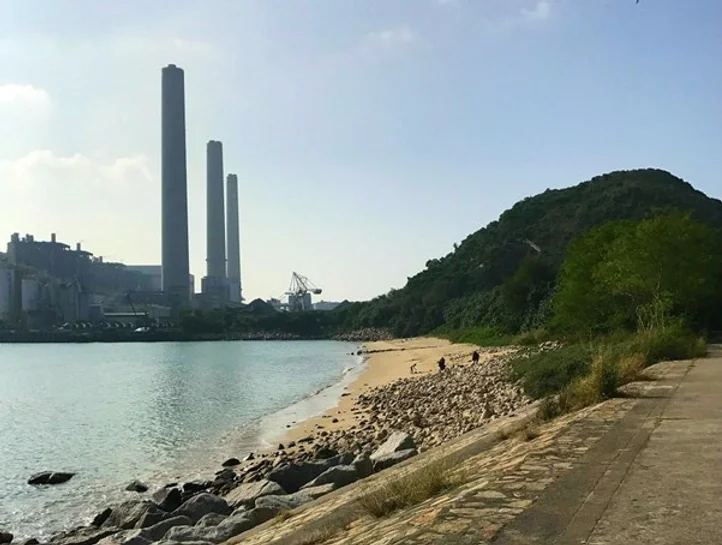
Affectionately know as Power Station Beach, or Dog beach. The latter because it was a beach where you were allowed to walk your dog. Please see the image below (Source internet)

I remember the council supplying bin bags and disposing of the 141 odd bags of rubbish we collected one fine weekend, cannot remember if it was Saturday or Sunday.

I remember some of us creating beacons from driftwood which we lit later after dark to commemorate the effect of the day. We often had parties on that beach simple affairs where we headed as a group after the bars closed. Why not have these gatherings on a clean beach? 😊

Of course, the same would have washed up by the next month and the beach clean would have to be done again.

2029

Published June 30, 2022

Birds Eye sows the seeds of its ‘Peas For Bees’ campaign to highlight the importance of supporting biodiversity for our own futures and the future of our planet.

It’s estimated that the global population will reach almost 10 billion by 2050[1]. In order for the planet to feed this many mouths, sourcing our food sustainably – in a way that doesn’t destroy biological diversity (biodiversity) and instead which actively replenishes it – is pivotal.

One of the main factors enabling us to source food sustainably and therefore eat ‘sustainably’ involves protecting the diversity of our flora, fauna and their ecosystems. Biodiversity is crucial to life on earth because it provides us with clean air, fresh water, good quality soil and crop pollination.

Significant damage to biodiversity would see the entire support system for food, collapse. What’s more, research suggests that agriculture is currently responsible for 60% of global biodiversity loss and 82% of the population believe companies have a moral obligation to protect it[2].

Birds Eye understands the need to act on these statistics and is committed to sustainable agricultural farming through targeting ‘regenerative agriculture’ initiatives, which aim to protect biodiversity and safeguard the planet to enable enough food for future generations. In 2020, the culmination of many years’ work led to Birds Eye’s pea farm management group becoming the first UK farm group, and the first globally in frozen food, to be awarded the highly coveted Sustainable Agriculture Initiative (SAI) Platform’s Farm Sustainability Assessment Gold level.

But the brand now feels it’s time to take their progressive sustainability work further than their fields and into the gardens and green spaces of the nation. This year, Birds Eye are campaigning to drive awareness of the importance of biodiversity by celebrating their peas and petits pois ranges. The campaign aims to encourage the nation to support biodiversity by growing wildflowers which in turn provide habitats for bees, butterflies and other pollinators.

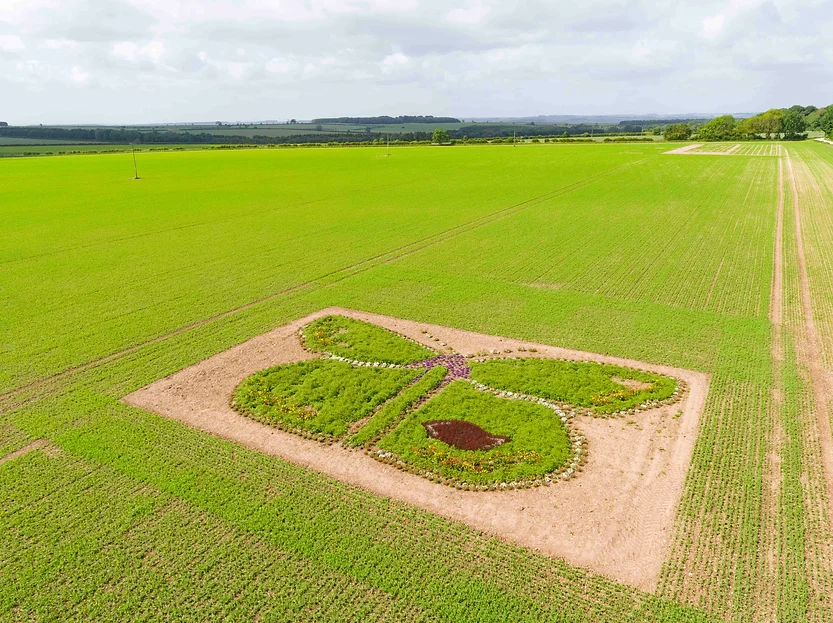
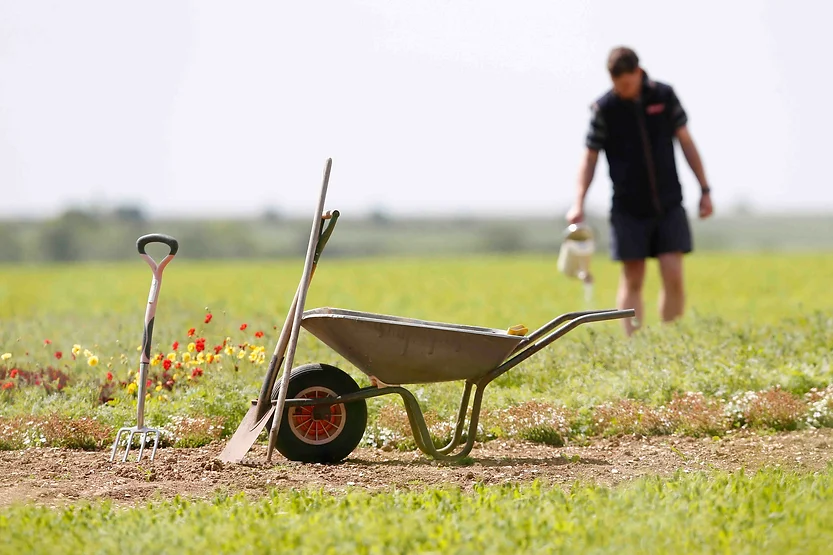
The brand has donated a significant area at one of its pea farms in North Yorkshire in order to promote and support biodiversity. The vast sculpture has been carefully crafted from raked soil seeded with bright and beautiful British native wildflowers to provide a food source for bees and butterflies, symbolizing the beauty, power and importance of soil. The native wildflower species will encourage a wide range of pollinating insects and other wildlife to thrive in the area and the brand wants this to inspire the public to sow their own wildflower seeds.

Biodiversity loss currently stands at an estimated global level of 100 to 1000 times higher than the naturally occurring background extinction rate[3]. Acknowledging the enormity of the work to be done to tackle this issue, Birds Eye is gifting 5,000 seed boxes to schools near its pea fields in Hull, through the Rooted in Hull Charity. Started by two friends, Rooted in Hull is a community that aims to make the city more food savvy and resilient through the education of growing and eating healthy food. The seed boxes will act as a stepping stone for the local children to learn about basic gardening skills, while doing their bit to help biodiversity thrive.

Birds Eye’s bloomed butterfly structure and their donation of seed boxes also kicks off the brand’s pledge to plant 75 acres of wildflowers across the UK in the next three years, in celebration of the 75 years that Birds Eye has been growing peas in North Yorkshire.

Birds Eye’s ‘Peas For Bees’ campaign will run across TV, Digital, PR and in-store to educate the nation on the importance of biodiversity and the impact of its loss, as well as what we can all be doing to help protect it.

James Hopwood, Head of Agriculture Operations at Birds Eye, says: “We are committed to playing our part in helping solve the biodiversity crisis. In fact, it’s embedded in Birds Eye’s resolution to ‘serve the world with better food’: we are dedicated to providing quality food to our consumers and the impact of its production on the planet is part of this quality standard. 40% of raw materials used by Birds Eye, annually, are now vegetables and potatoes: by constantly creating and improving sustainable and resilient agricultural systems and by continuing to work alongside the farming community who we source these from, we can actually bring back diversity, replenish soil and landscapes and help recover biodiversity loss.”

We also want, and need, to highlight the importance of biodiversity to everyone at home as well. Through the ‘Peas For Bees’ campaign we aim to educate shoppers on the link between biodiversity and the food chain and hope our donation of seed boxes inspires others to help pollinators like bees and butterflies and help protect biodiversity”.

Daisy Payne, TV gardener and presenter adds: “The past year has been huge for gardening! More people than ever before are embracing gardening and there’s a whole new generation getting into it. In fact, according to a survey from the Horticultural Trades Association, the first lockdown created three million new gardeners[4]. This is brilliant news for biodiversity because lots of us can contribute to preserving green spaces in our own local communities. It’s great that Birds Eye’s farming practices support biodiversity and even better that they’re encouraging us all to get planting. I’ve included some of my simple tips on what we can do day-to-day to help protect biodiversity and care for the land for future generations.”

Daisy Payne’s Tips to Help Preserve Biodiversity

1. Keep it native: Try to use plants that will encourage a wide range of pollinating insects and other wildlife

2. Go wild: If you have a garden, allow a small area to grow ‘wild’, or leave a patch of fallen leaves. Insects, birds and small mammals will benefit from the cover and native plants.

3. Tree planter: if you don’t have access to a garden or outdoor space, why not look out for a tree down your street, they often have soil at the base so you can grow the Birds Eye wildflower seeds there quite easily

4. Inspire the future: Get children involved in gardening activities – inspiring future generations to love and respect wildlife is the best way to protect nature in the long-term

5. Know the source: When buying foods, take a look at what the manufacturers are doing to support sustainability. You can do this by looking at their website or on the pack.

#birdseye #birdseyepeas #peas #growyourown #farm #farming #biodiversity

1783

Published June 22, 2022

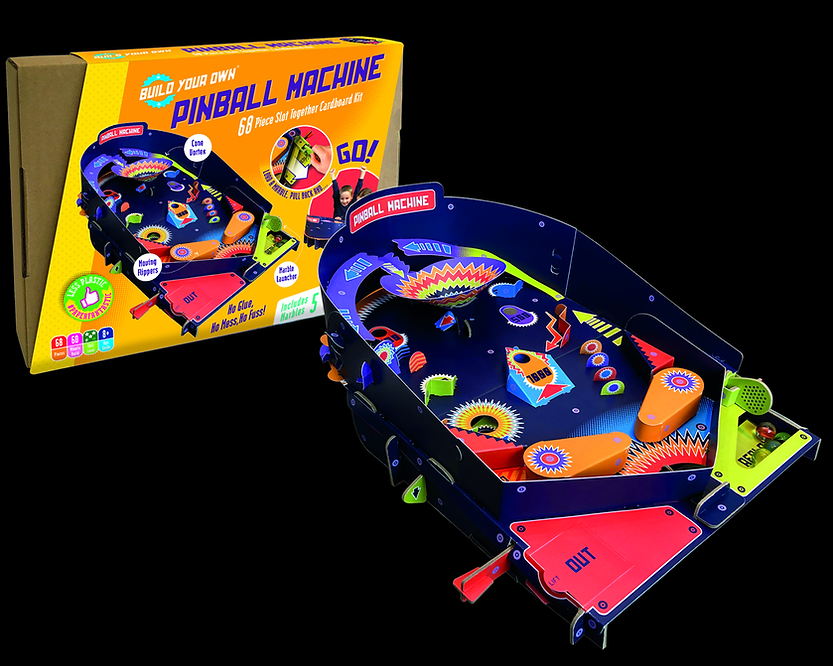
A planet-friendly take on the traditional arcade game, this super cool tabletop Pinball Machine provides hours of entertainment. Play alone or challenge your friends and family, who will win?

www.buildyourownkits.comRRP £19.99

Load your swirly glass marbles into the spring-loaded launcher and let the game begin! Will your marbles whizz along the top ramp or spin around the vortex cone? Use the elastic-band powered flippers to keep your marbles in play for as long as possible and get the highest score! There are five targets to aim for in this fast-paced action-packed game.

Easy to assemble using slot together techniques – there’s no glue, no mess, no fuss. Everything you need is provided in the kit – simply follow the instructions: press out the pre-cut parts, build and you’re ready to go!

A colourful bold and striking design, this innovative Pinball Machine looks smart on display too.

The Pinball Machine is suitable for children 8 years+ but is best enjoyed as a family experience. You’ll have great fun building your Pinball Machine as a shared activity, then enjoy challenging each other to see who can score the most points.

Made using sustainable cardboard, Build Your Own’s Pinball Machine is not only fun and engaging to play with, but also eco-friendly. Warning – this Pinball Machine is addictive!

• Mess-free, slot together cardboard construction

• 60-minute build

• Skill level rating: 3.5 stars out of 5

• 61 press-out parts (plus 5 x swirly glass marble and 2 x elastic bands)

• Challenge friends and family – who is the best Pinball wizard?

• Helps develop dexterity and reflex skills

• High-quality sustainable cardboard

• Full instructions included

• Designed in the UK

• Fun, educational and supports STEM

• Age 8+ (adult supervision recommended)

Available from www.buildyourownkits.com and Amazon.

1707

Published June 21, 2022

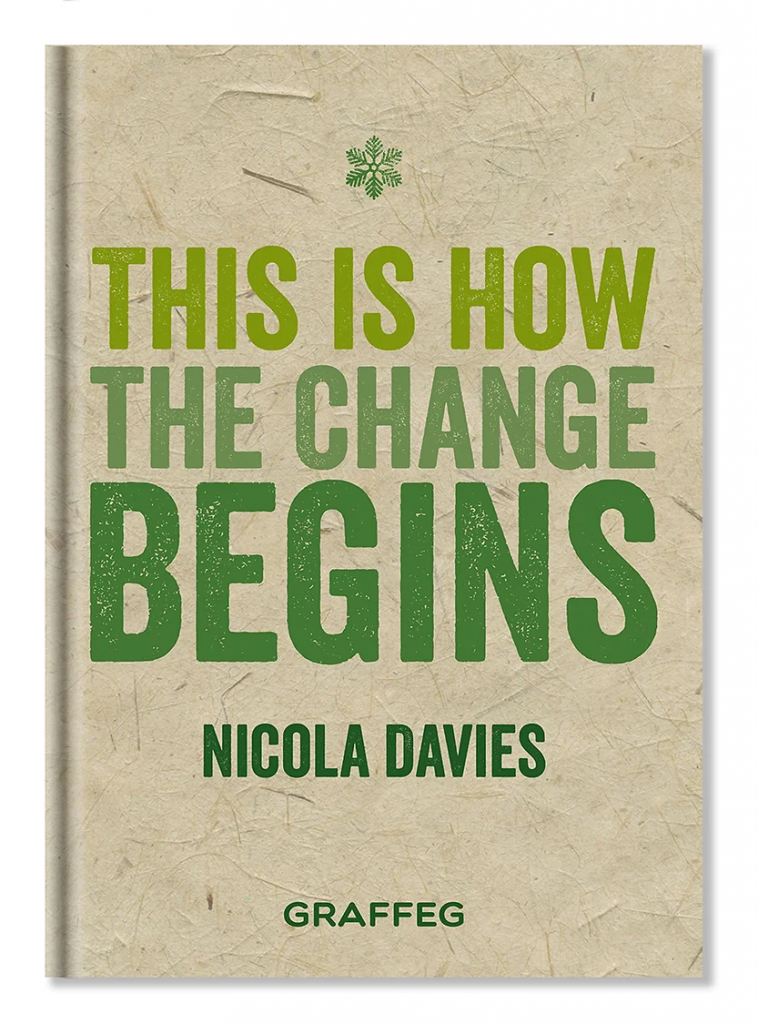
With a heatwave in the Arctic and New York under snow and a little mountain pika with no place left to go, This is how, This is how, This is how the change begins, From ‘This is How the Change Begins’, Nicola Davies

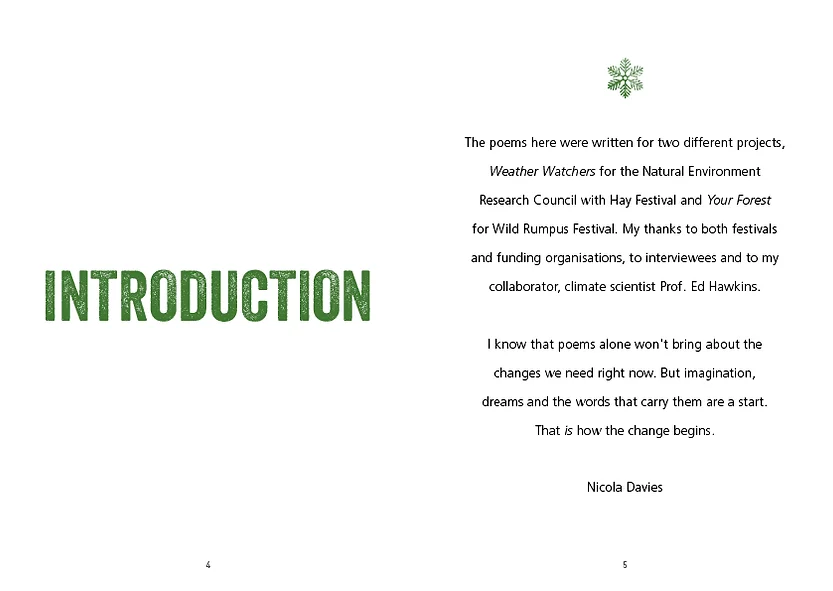
As the threat to global wellbeing continues to be ever-present and demand urgent action, Nicola Davies evokes a series of more personal and recognisable changes and shifts we are able to perceive happening around us, demonstrating what we stand to lose in our everyday lives and what is necessary to turn the tide.

This is How the Change Begins is a collection of six illuminating poems which serve as

a moving call to action to combat climate change and protect our environment. From a consideration of our carbon footprints by way of Islamic mathematician Alhazen to the decline of insects and the impact weather conditions will continue to have on our events and celebrations, as well as touching on themes of ensuring the natural world can be engaged with and enjoyed inclusively, these remarkable poems brilliantly confront the recognisable realities of the crisis with bold and lyrical language. Including background notes on the themes behind them and related organisations, each poem has been typographically designed and arranged to best communicate these essential messages.

This is How the Change Begins

Author Nicola Davies

Format Hardback, 210 x 148mm Pages 64, printed on recycled paper Publication 28 October 2021

Price £12.99

ISBN 9781913634247

2089

Published June 20, 2022

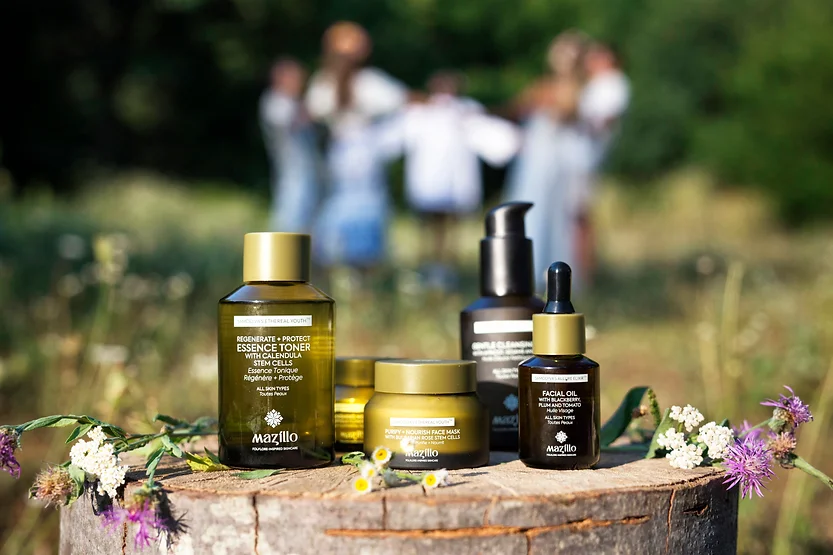
Bulgarian Skincare Brand, Mazillo, Brings Tradition to the 21st Century with Plant Stem Cell Technology

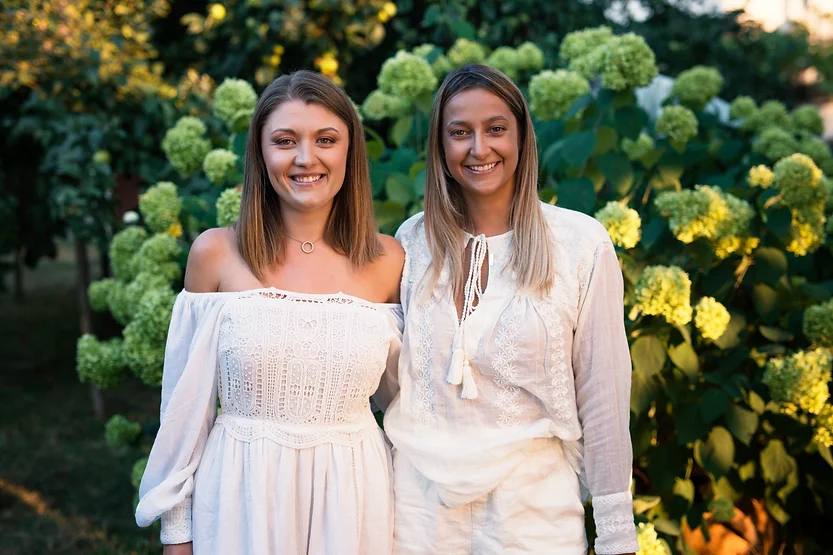
Childhood best friends Mihaela Donska and Yoana Radeva founded Mazillo in December 2021, inspired by the history and folklore of their homeland, Bulgaria. The two grew up together, seeing their grandmothers prepare local remedies and hearing the legends behind them. They wanted to bring these forgotten practices to the 21st Century. Using cutting-edge techniques, including plant stem cells developed by a group of Bulgarian scientists, the pair have created potent and effective formulas. They’re now on a mission to tackle the fleeting nature of skincare fads by reviving, elevating, and sharing ancient wisdom.

The emerging brand sells a 5-step skincare routine based on traditional recipes. Just under 90% of their formulas contain local ingredients, some of which are exclusive to the region. To take these beloved botanicals to a new level, they’ve embraced modern skincare science. Research shows that the stem cells in plants stimulate better cell turnover, repairing skin that has been exposed to harmful environmental factors. Take the Orpheus flower, for example. This plant can only be found in the Rhodope mountains in Bulgaria and is believed to have survived over 20 million years thanks to its ability to endure long periods without water. As a result, its cells have a proven skin lifting effect and decrease pigmentation. This is one of Mazillo’s many unique ingredients and can be found in their Replenishing Moisturiser.

Whilst the skincare industry is infamous for introducing new ‘must-have’ ingredients that quickly go out of fashion, Mazillo innovates by improving what already works. ‘We look backward to move forwards’ explains Mihaela, ‘by appreciating the true genius of the past, we can steer our communities into the future’. Yoana emphasises that respecting the environment is also central to this mission: ‘just as ancient wisdom was passed on to us, we want to be able to pass on nature’s resources to future generations. By using local ingredients we’re reducing our carbon footprint’. Though the brand is only 5 months old, its formulas are far from a fad. It’s science-backed skincare that has passed the test of time.

About: Born and formulated in Bulgaria, Mazillo is a female-owned skincare brand inspired by folklore, led by

nature, and informed by science.

Mazillo Ltd. | 47th Street No2, Varna, Bulgaria | contact@mazillo.com | @mazilloskincare | www.mazillo.com

#ecotreatments #ecobeauty #ecoskincare #skin #skincare #naturebrand #naturalbrand #vegan #organice #ecofriendlyproducts #bulgaria #plantbased #plants

2185

Published June 18, 2022

one of my favourite stories yet! It’s amazing how across the world, in some many different lifestyles, everyone is pulling together to do there part to help save our planet and reduce our waste.

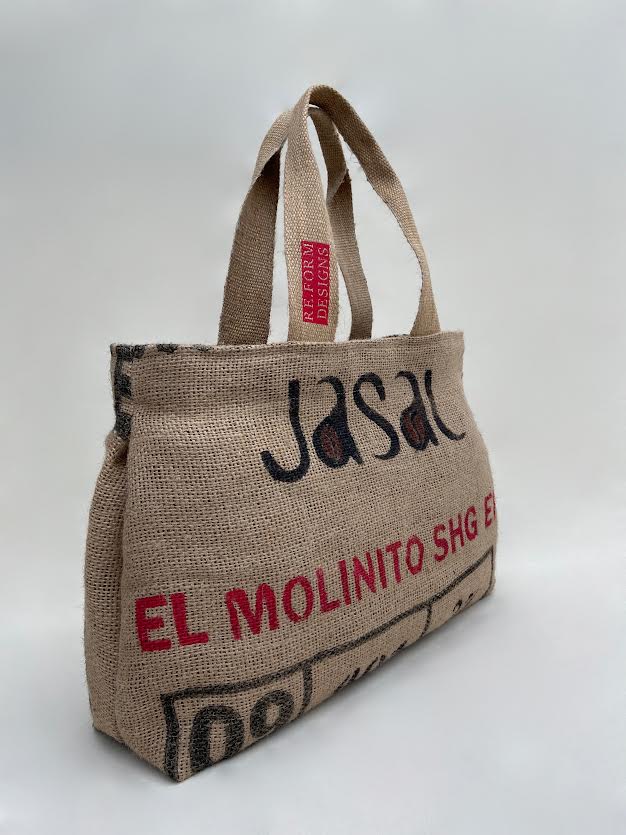
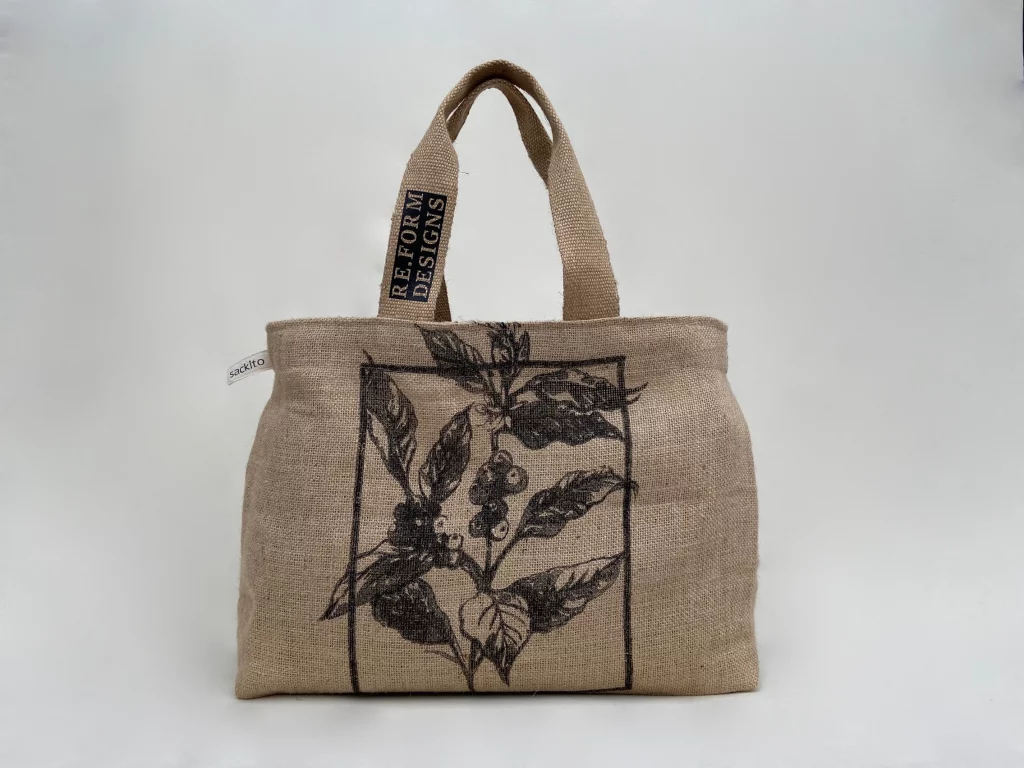
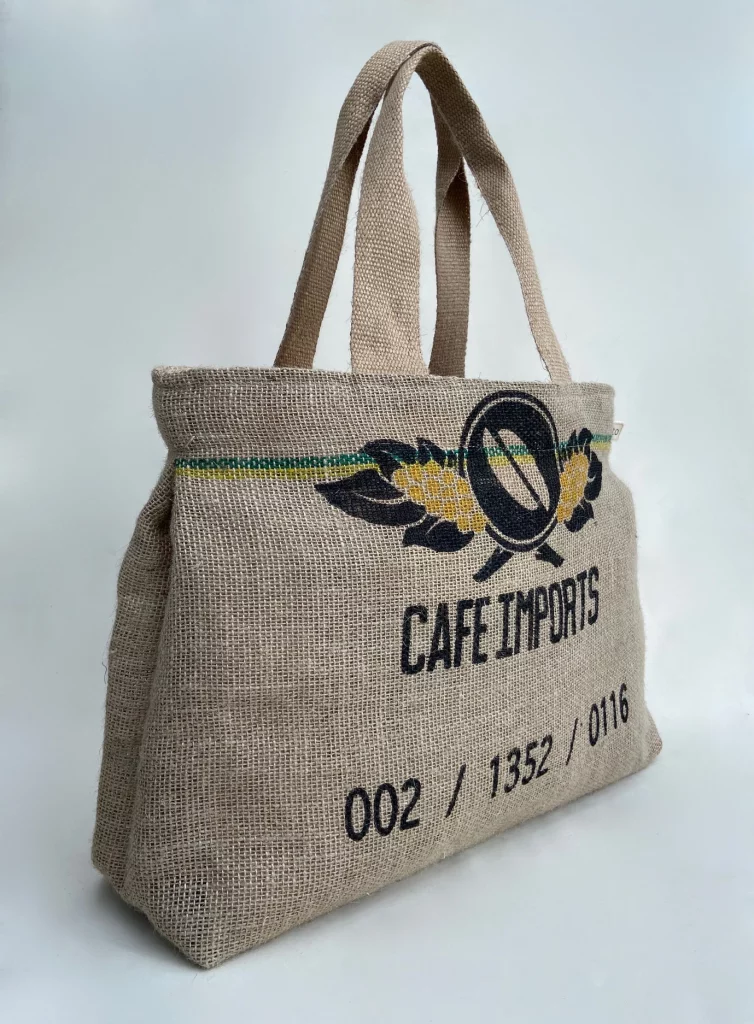
“ I would like to introduce Sackito. We are a social enterprise business designing sustainable bags along with training and education in HM Prison Pentonville. We are developing a new range of upcycled jute every day and shopping bags made from reclaimed coffee sacks. These durable and unique bags are handcrafted in HMP Pentonville, London. As well as recycling the coffee sacks, that otherwise will end up in landfills, this project gives the inmates the chance to earn a small wage, in line with the prison regulations and gain valuable work experience. Our mission is to improve the life and prospects of prisoners giving them the opportunity to learn new skills, stop reoffending and break the cycle. We are passionate about helping our community and our planet, reducing our carbon footprint using sustainable reclaimed materials. Our bags are a more environmentally friendly alternative.”

To find out more about this initiative please visit the website www.sackito.co.uk, where you can see photos of the bags and learn more about the project with HMP Pentonville.

#prison #ecoprison #homemade #coffeesacks #coffeebags #coffee #recycle #reuse #upcycle #londonprison #prisons #inmates #coffeebeans