1426

Posted 2 years ago

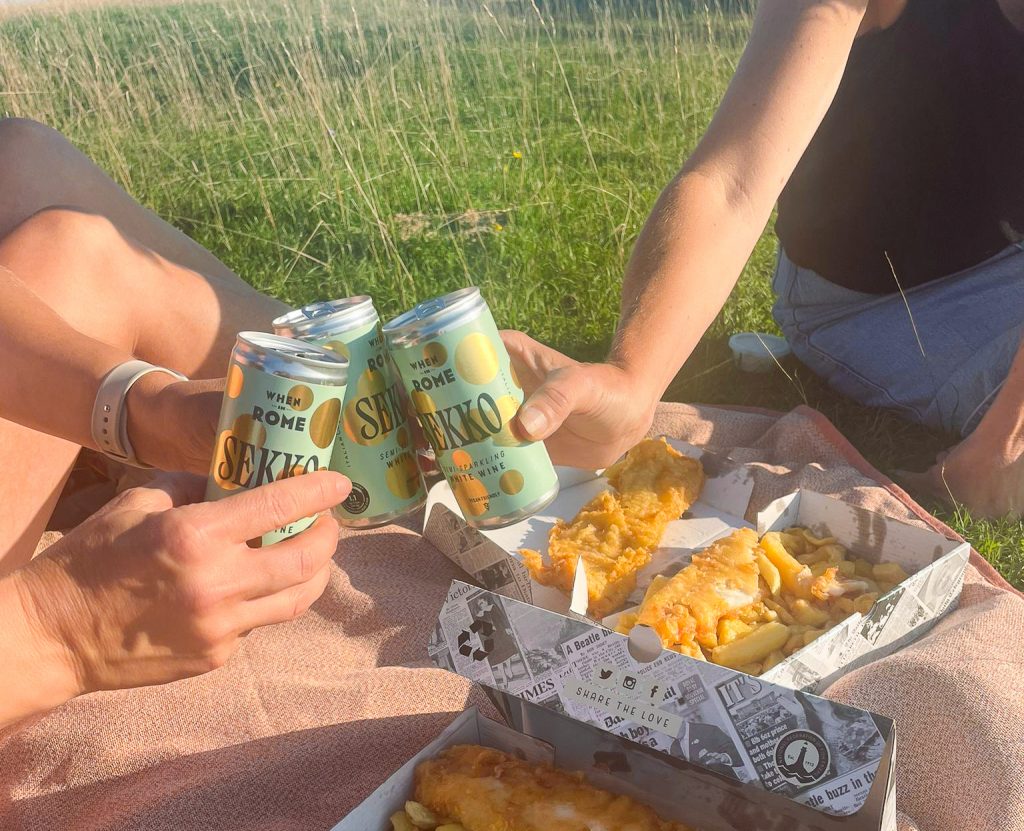
According to the UN, climate change is pushing the world into a new era of “global boiling” after July was the hottest month on record.For one UK wine brand, who are on a mission to decarbonise the wine industry, this has sparked the  launch of a new Italian sparkling wine in a can, which produces 45% less CO2 than the same sparkling wine in a single-use glass bottle.

Having recently launched in both Ocado and WHSmith, ‘Sekko’ is the latest wine from Italian craft wine brand When in Rome, a crisp and fresh sparkling white made from the Glera grape.

The new, canned wine will challenge the traditional mindset of how sparkling wine is packaged, favoring a lower carbon, light-weight alternative to the carbon intensive, heavy glass bottles complete with bulky corks and cages. Rob Malin, When in Rome founder, said: “Sekko in a can is a way for us to strip back all of the unnecessary packing associated with sparkling wines and reduce its carbon footprint significantly

.“It’s got all the fizz, but none of the fuss of a single-use glass bottle, the same premium product, but in a more convenient format, perfect for picnics, festivals, train rides or for those who simply don’t want to open and finish an entire bottle of wine.”

When in Rome has been recognised for their canned wine, receiving a silver award win for their canned Pecorino at the International Canned Wine Competition earlier this year.  “39% of the wine industry’s carbon footprint globally is produced by single-use glass bottles, with smarter, lower-carbon packaging alternatives available we can change this,” added Malin.“We’re making great quality wine more easily accessible and we’re so proud of this latest addition to the When in Rome offering.”

When in Rome’s Sekko is available from Ocado, WHSmith travel and via their website For more information, visit www.wheninromewine.com

1403

Posted 2 years ago

It’s always great to hear when someone reads / hears / see’s something you do and then follows suit.  In particular, I get very impressed when people embrace their inner Greta.  As promised I said I would keep you updated on my environmental quest.  So here’s a couple of people embracing their inner Greta and an update from me.

MY MOTHER-IN-LAW HAS A DOUBLE BUTT !

Yep,  to be honest, my in-laws had a water butt before I did and it was them that introduced me to the benefits of having one.  However,  my in-laws have now purchased a second one.  After all it’s much better and environmentally friendly to have a double butt rather than a double chin.

Getting a butt is the only time that you look out the window and get all excited when it’s raining and your butt is getting a good fill. We kept going out to measure how much water we’d captured.  They’ve had the 2nd butt for a couple of weeks now and the English weather has filled it for them.  

Just make sure when you buy your butt, it comes with a decent stand. My Father-in-law found the first stand collapsed in the middle of the night, flooding the drive and left him (who suffers from arthritis) trying to recover the water butt as it went rolling down the drive way.  Oh, and they live on hill, so it was like a river down the street.  It’s a good job they have a gate, otherwise you would have seen him running down the road, in the middle of the night trying to catch it (a little bit like he does with his wheelie bin when it’s out for bin day and it blows over).  It’s just the wrong type of moon to view at that time of night.

They always have a fantastic, colourful garden though and I am sure a second butt will mean more water for them in the coming months. The garden definitely benefits from water that has no treatment chemicals added.

THE NEXT DOOR NEIGHBOUR HAS GONE GRETA

One of our neighbours followed our recommendation and got E-On to install solar panels and a solar battery.  He now regular gives updates on his energy generation and is thoroughly happy and excited. As his roof faces directly south, I am sure he is going to take full advantage over the summer.

The interesting thing is, Greta JONBerg (his name is Jon), has now started planning to label appliances in his house.  Labels on the Oven and Washing Machine to say “Don’t have on at the same time as the kettle” as he investigates the power consumption of all his appliances.  Oh, and he’s not happy at all about that 9Kwh Power Shower.  That definitely can’t go on at the same time as any other appliance in the house.  His wife is also going Rebel,  a shower followed by the hair dryer whilst cooking the Sunday roast, doing the weekly wash and shouting “Jon would you like a cuppa” is her attempt at being on the wild side.

Finally, don’t even attempt to talk to him if he’s cutting the grass whilst the sun is out.  He must have that free cut whilst the sun is on the panels.  He’ll talk to you either when the sun goes behind a cloud, or, the grass is completely cut.

WE’VE BOUGHT A WIND FARM

Well, not quite.  But I have bought shares in a wind farm that is going to be built next year.  Ripple Energy are allowing home owners like you and me to buy into a Wind Farm.

Their system allows you to estimate your annual energy consumption and you can set your level of investment accordingly (or if you just want to dabble, you can spend as a little as £25).  Then,  when it goes live,  your energy supplier (it has to be one of the ones they use e.g. Eon, Coop, Octopus) purchases your energy from your wind farm to offset against your bill.

Be aware that they purchase at a lesser rate than you buy from them, but,  it allows you save a significant amount on your yearly electricity bill.  You also get an app to see what you’re generating,  and can even decide to charge your car for example, at a period when you’re generating from your wind farm allowing you to keep motoring on your own renewable energy.  How cool is that? 

We’ve bought into the Kirk Hill Wind Farm in Scotland that goes live at the end of 2023.  It has a 25 year lifespan (maybe more),  it can move with you if you move house, can be passed on if you die. They give you back 5% of your investment  every year for 20 years as the value of the farm depreciates as well as giving you the Kw’s you purchase resulting in savings on your electricity bill.  It also makes you feel really good to support an environmental project.  Check them out at https://rippleenergy.com/.  The Kirk Hill development share offer is due to close soon,  so if Solar isn’t for you but you want a slice of the environmental action, then check it out.  It’s ideal if you live in an apartment for example.  But is still valid if you have house, solar etc.

AN ELECTRIC SUMMER

So, we’ve also just ordered an Electric Barbecue.  Yep,  instant on, ready in a few minutes, easy to clean, no more fossil fuels and free to run from our Solar panels.  I’m embracing my Inner Greta again (and the Rebel is rubbing her hands together as she sees another device to torture our solar battery).  

The rebel has also finally decided what electric car she wants and we have it on order (although due to chip shortages its not arriving until December at the earliest).  The only thing I am concerned about, is whenever I need to call her and she’s out, her mobile is always flat…… I say no more.  At least our insurance company has free electric car recovery if you run out of juice.

I CAN CRUSH A CAN – QUICK TIP

Here’s a quick and cheap item.  Anyone find their recycling bin fills really quickly.  Get a Can and Bottle crusher.  It’s great and stops the bin filling up so quickly.  Just try to get the rebel in your family trained to not put them in the bin until they’ve been crushed, otherwise you end up having to dig deep in order to retrieve and crush em.  It will hopefully stop me getting the rebel to stand in the bin to crush things down.

Ramblings of a Yorkshireman: You can call me Greta Too

1451

Posted 2 years ago

As much as we try to cut down on the amount of waste we produce, sometimes we can’t help but buy products that leave us with waste packaging. Although recycling is better than simply tossing household packaging in landfill, an even more eco-friendly option is reusing the materials and giving them a new lease of life. Here are three ideas for reusing common product packaging to give you some inspiration.

Photo by Precious Plastic Melbourne on Unsplash

1. Refill empty cleaning product bottles with homemade cleaners

Homemade household cleaners tend to be cheaper and healthier than store-bought products. With simple ingredients like vinegar, baking soda, borax, castile soap, hydrogen peroxide, salt and essential oils, you can create a variety of effective, eco-friendly cleaning products and store them in empty spray bottles. Just make sure to thoroughly clean the bottles before filling them to avoid causing unexpected chemical reactions. A simple recipe to get you started is an all-purpose cleaner made from one part vinegar, one part water, and the rind of a lemon.

Photo by Alvina Suhardjo on Unsplash

2. Make seed planters from egg cartons

Egg cartons make ideal planters for growing seedlings. Poke a few small holes in the bottom of each carton cup for drainage. Cut the lid off the carton and stack it underneath so it can catch water. Next, simply fill the cups with soil, plant your seeds and water them.

Once your seedlings have sprouted and started putting down roots, you’ll find them easy to transport out into your garden or allotment for planting. If you’re using a cardboard egg carton, you can simply cut apart the individual cups and plant each one, cup and all, in the soil. The cardboard will disintegrate over time. It can be helpful to cut a couple of slits into the base of each cup to help the plant’s roots expand.

Photo by Jenna Lee on Unsplash

3. Use plastic bottles to make bird feeders

Putting bird feed in your garden is a great way to see more wildlife, but it can also be an essential food source for birds during harsh winter weather. Plastic drink bottles can make handy bird feeders.

Use a pin to poke two holes on opposite sides of the bottle near the base. Feed one or two popsicle sticks through these holes to serve as a perch. Cut a small feeding hole just above each perch and try to make these as smooth as possible to prevent sharp edges. Poke two more holes on opposite sides of the neck of the bottle, and thread a length of string through these for hanging. Next, simply fill the feeder with seeds, replace the bottle lid, and find a sheltered location to hang it up. Attaching it to a washing line or the branch of a tree is a good idea.

Reuse packaging to reduce your environmental impact

Every small thing we can do to cut down on waste is beneficial for the environment, so try to reuse as much product packaging as possible to protect our planet.

1205

Posted 2 years ago

A fantastic idea has at last become a reality: with RINGANA as its first participating company, the newly-founded Klimapartnerschaft.at (Climate Partnership) can finally start operations. The project entails returning 138.9 hectares to nature. To ensure that the initiative is on a solid technical footing, some strong partners have already been brought on board such as Austrian Federal Forests (ÖBf), the University of Natural Resources and Life Sciences in Vienna (BoKu) and the Eberswalde University for Sustainable Development (HNEE). The aim is to promote biodiversity, slow down climate change, and to set a new standard for climate conservation. This is a further step for the Styrian fresh skin care and food supplement manufacturer in completing its sustainability mosaic. It is also hoped that other medium-sized businesses can be motivated to join this partnership.

More than 99 per cent of Austria’s entire forest area is subject to human interventions. Scientists are largely in agreement that to achieve successful environmental conservation, the few existing primeval and natural forests must be preserved, and nature reserves expanded. “They are an important gene pool and a sanctuary for European biodiversity. However, considered over the long term, the nature reserve areas are to small to compensate for species extinction. It will therefore also be necessary to take cultivated areas into consideration with regard to nature conservation,” emphasises Prof. Dr. Dr. h.c. Pierre Ibisch, from the Eberswalde University for Sustainable Development. That is exactly what RINGANA is doing as part of its climate partnership, together with scientists, Austrian Federal Forests and the Wilderness Area. This Styria-based medium-sized company is convinced that action needs to be taken – and now. Because even if Austria is one of the most species-rich countries in Europe, those species are rapidly declining, demonstrating how important it is to act immediately.


Losses such as a 40 per cent decline in vertebrates over the last 30 years, and the direct threat to around 50 per cent of mammals and breeding birds, almost 100 per cent of reptiles, and large sections of the insect populations speak for themselves,” says Prof. Dr. Georg Gratzer from the University of Natural Resources and Life Sciences, Vienna Institute of Forest Ecology. As the biggest landowner, the ÖBf AG (Austrian Federal Forests) has been working closely with the Dürrenstein-Lassingtal Wilderness Area from the start. Apart from contributing technical know-how, it also provides suitable areas for additional nature conservation projects. “We are delighted to be part of this climate partnership which represents a further important building block for greater biodiversity protection in the region,” says Stefan Schörghuber, head of the Forest-Natural Space-Sustainability Unit of Austrian Federal Forests.

One of RINGANA’s reasons for initiating this partnership is to create awareness of how companies can take responsibility for a livable future. RINGANA is providing the funding to remove an area of 138.9 hectares directly adjoining the Wilderness Area from use over the long term. This will enable the usage pressure on the ecosystem to be reduced, and allow the primeval forest to develop its particular abilities. An ecosystem that is made increasingly stable in this way can better defend itself against climate change. The natural forest that will be created will also be exceptionally good at removing CO2 from the atmosphere. This is a result that RINGANA will be able to factor into its CO2 balance as part of its sustainability strategy.

Why choose the Dürrenstein-Lassingtal Wilderness Area?

“Emissions of harmful greenhouse gases do not only have to be avoided as much as possible. Within the scope of our sustainability strategy, we already strive every day to improve in this area. But those gases must also be removed from the already overloaded atmosphere. Natural forests can safely store them over the long term, with a resulting positive effect on the climate.”

“That is precisely why we have established this climate partnership with the Wilderness Area and our strong partners,” says Ulla Wannemacher, General Manager and co-founder of RINGANA, explaining the reasons behind the project. The Styrian medium-sized company consciously chose to partner with the Wilderness Area. Just as the company intends to grow economically over the long term, it also sets long-term benchmarks for the success of its sustainability activities.

Against this backdrop, the last primeval forest in the foothills of the Alps plays a particularly important role. Framework conditions have been developed – far more stringent than the current market standard – aimed at targeted, long-term climate conservation and biodiversity protection.

“There are already some projects in place. But none of those convinced us in terms of their effectiveness or transparency. What has always been crucial for us is to find a way of effectively combatting the climate crisis. We don’t just want to “be a part”, but also want to ensure that we are excellent here as well. This climate partnership is our next great milestone – it’s an enormous effort for us, but one in which we are glad to make a long-term investment,” stresses Andreas Wilfinger, CEO RINGANA.

“Naturally, I am delighted about every new tree that is planted. But our existing tree stock is several hundred years old in places – a veritable turbo when it comes to CO2 emissions and preserving biodiversity. I am therefore all the more pleased that with the climate partnership we will be able to take further valuable forest areas out of use, and we will be supported in our work. What pleases me most, however, is that RINGANA wants to create awareness of this special project. I would expressly welcome it if this signal is recognised by other businesses, including medium-sized ones. Every hectare counts,” says Nina Schönemann, wildlife biologist at the Dürrenstein-Lassingtal Wilderness Area and Managing Director of Klimapartnerschaft.at

Summary of the key points of the climate partnership:

1. Greater biodiversity.  As a climate partner, RINGANA is providing significant funding which will allow an area of 138.9 hectares around the last primeval forest in the Alps to be removed from use over the long term, and returned to nature.

2. Climate conservation. Emissions from harmful greenhouse gases must not only be avoided as far as possible and reduced, but must also be removed from the already overloaded atmosphere. Specially protected natural forests can ensure the storage of those gases over the long term, with a corresponding positive effect on the climate. The climate-affecting added value of the forest area which RINGANA has allowed to be removed from use will be factored in as part of its CO2 offsetting within the scope of the company’s climate strategy.

3. New standard. Framework conditions – far more stringent than those currently used in the market – have been developed to achieve targeted and long-term climate conservation and biodiversity protection. The aim here is to establish the necessary climate conservation requirements.

With this climate partnership, RINGANA is making a long-term investment and will send out a signal to other medium-sized companies to get involved. Because only long-term, concerted action is effective.


1347

Posted 2 years ago

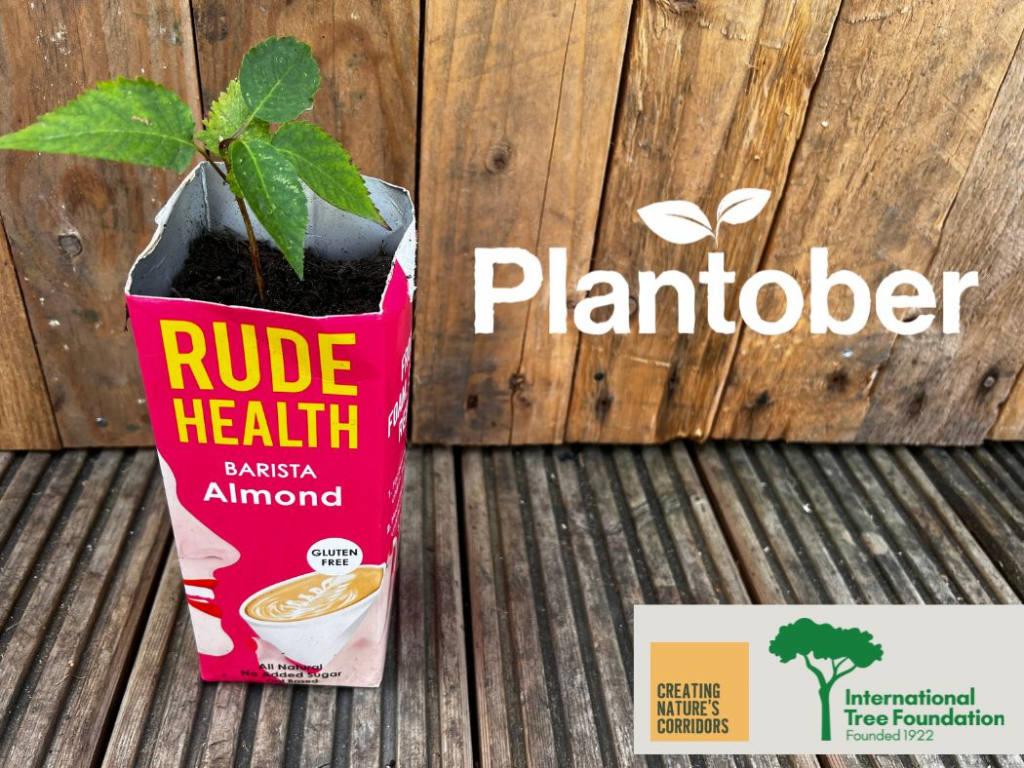
Launching in October 2023, #PLANTOBER is the new month-long campaign encouraging people of all ages to plant and grow native tree seeds for future generations to enjoy and to help meet the UK’s net zero goals. 

The brainchild of International Tree Foundation, the world’s oldest tree-planting charity, and Creating Nature’s Corridors, #PLANTOBER invites everyone to forage for tree seeds and seedlings, especially native species including hazelnut, conker, sweet chestnut, acorn, walnut or beech. To identify the seeds, visit  internationaltreefoundation.org, which also features a simple guide on planting and nurturing the seeds, ideally using old milk or juice cartons. 

After one year, #PLANTOBER and its partners will offer advice on how to plant out saplings, either in private gardens or at nearby community planting sites, where the saplings can be planted out to continue their growth.  

#PLANTOBER aims to accelerate the planting of 1.5bn new trees needed to help the UK meet its net zero carbon target, set in line with the international scientific warnings on the climate crisis.  #PLANTOBER will encourage more people to plant trees and, crucially, to ensure their survival after planting.  

Commenting on the campaign, James Whitehead, CEO at ITF, calls on people to find, plant and nurture tree seeds, saying: “#PLANTOBER is a brilliant and simple initiative that anyone can enjoy. #PLANTOBER is also a great way of nurturing a life-long love for trees and nature in young people, who will relish a scavenger hunt for seeds. Planting the seeds and watching them grow is easy, rewarding and a practical way to address the climate crisis.” 

For further information please contact: 

Camilla Leask, Camilla@internationaltreefoundaiton.org / 07879 612341 

1482

Posted 3 years ago

Despite survey data from The Eco Experts revealing 73% of Brits think we are in a climate emergency, Transport for London’s (TfL) ultra-low emissions zone (ULEZ) initiative remains unpopular. This lack of interest highlights the UK public’s unwillingness to support lower emission policies, which could be fuelled by the current cost of living crisis.

TfL rolled out its expansion of the London ULEZ earlier this week. The zone now covers the majority of Greater London, including Heathrow Airport amid criticism. 

Anyone driving within the zone with a vehicle that does not comply will now have to pay £12.50 per day. 

The plan has been criticised from the start, with several councils attempting to block the plans back in February. These five councils were overruled by the high court and their legal challenge was dismissed at the end of July. 

London, England – Iconic Red Double Decker Bus on the move on Westminster Bridge with Big Ben and Houses of Parliament at background. Sunset with beautiful colorful sky

In Greater London, there have been protests with the destruction of ULEZ technology to prevent the monitoring of vehicles, despite the fact that 92% of the cars registered in the area are ULEZ compliant.  

With 76% of Brits not happy with government support during the energy crisis, the government and local councils will need to support residents further when making essential emission reduction policies to prevent backlash. 

The cost of electric vehicles can deter UK drivers from making low-emission purchases. If the government wants to entice Brits towards sustainable transport, they must consider the financial impact of making these decisions amid a national cost of living crisis.

The UK is currently lagging behind in its goal of a 68% reduction in emissions by 2023, compared to 1990 levels. Without essential measures, the UK government won’t achieve this target. 

The Editor of The Eco Experts, Charlie Clissitt, comments: 

“It would obviously be a mistake to dismiss people’s anger at the expansion of ULEZ as unreasonable. This change has imposed a new cost on a lot of Londoners, which is particularly difficult to reconcile with the current economic climate. Unfortunately, the UK’s route to Net Zero will involve a series of painful decisions, but they’re all necessary if the UK is serious about leading the charge against climate change”

1586

Posted 3 years ago

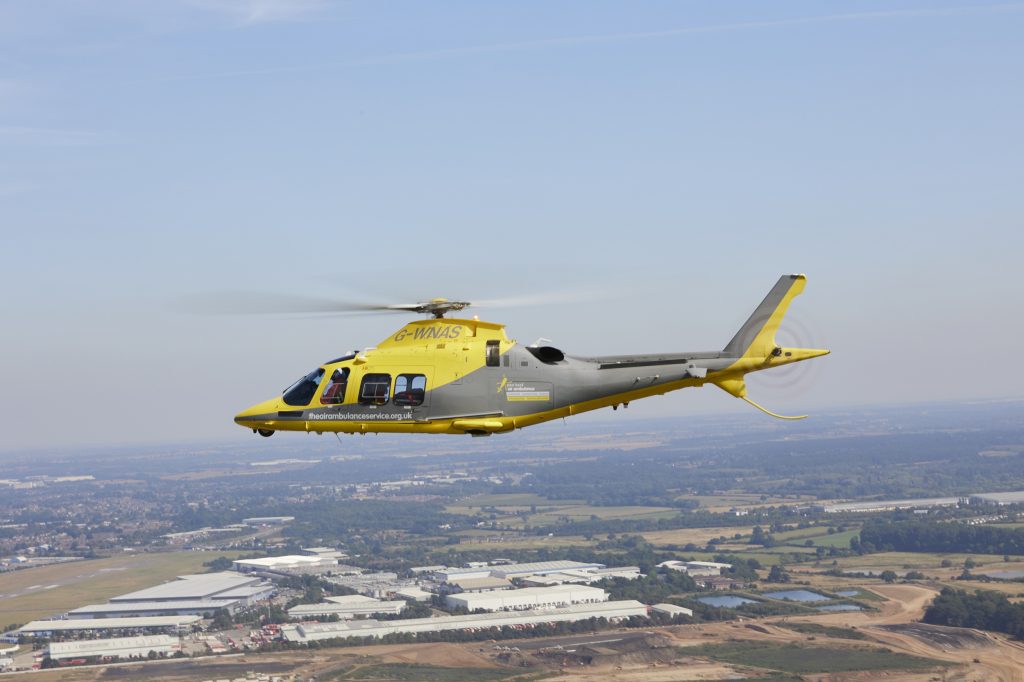
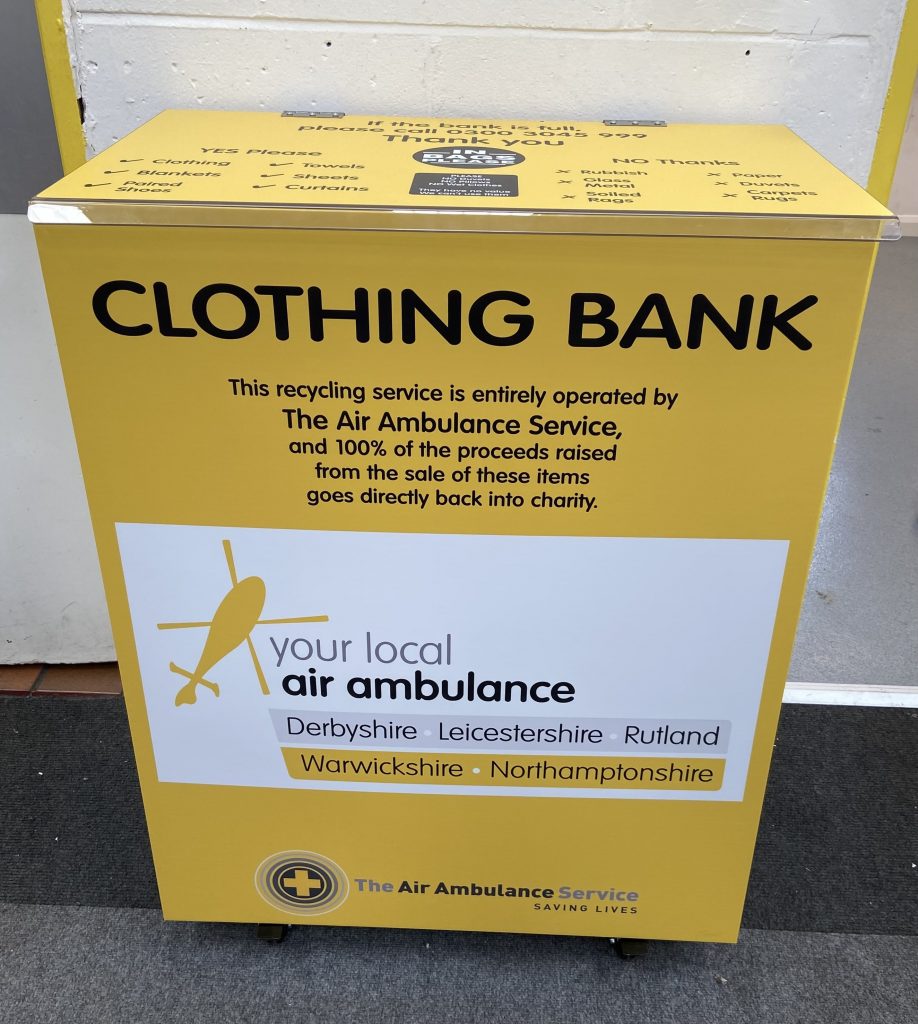
The Air Ambulance Service has launched new indoor donation banks to offer an alternative way to donate preloved textiles to not only help the charity raise vital funds, but to continue in helping to build a more sustainable future.

The lifesaving charity – which operates the local Warwickshire and Northamptonshire Air Ambulance (WNAA) and Derbyshire, Leicestershire and Rutland Ambulance (DLRAA) – had been looking to provide an alternative collection unit over the past few years due to a number of organisations wishing to support the charity by hosting a traditional outdoor clothing bank but were unable to due to various factors.

The charity decided on an indoor clothing bank initiative and came across a Northamptonshire supplier – Vue Media Ltd – who understood the need for alternative units being as environmentally friendly as possible whilst still being sturdy and having longevity.

“We were recently tasked in helping The Air Ambulance Service to create a portable and sustainable clothing bank, that can be positioned in a variety of internal spaces and manoeuvred easily. We decided on a substrate with a minimum of 25% recycled polypropylene, offering both strength and longevity along with sustainability production, which was is always a key focus of the charity,” explained Scott Rendall, Client Services Director for Vue Media Ltd.

“The portable clothing banks compliment the large static banks nicely, and the desire is that the local communities will have even easier access, so that they can continue to support this amazing charity with their preloved donations,” he added.

By launching the new initiative of indoor clothing banks, the charity hopes to make donating preloved clothing and textiles even more accessible so it can keep attending lifesaving missions, adding to the 50,000 missions already achieved over the last 20 years.

“We are delighted to work with Vue Media who produced a prototype which was initially trialled at Long Buckby Primary School. After a successful trial I am pleased to say we now have our first lot off the production line,” said TAAS Business Support Manager, Liz Kelly.

“We would be delighted for community spaces, education establishments and businesses to support us and get in contact if they would like to host an internal collection unit to support our lifesaving service,” she added.

Hosting one of the charity’s new indoor clothing banks is a great and easy way to work towards sustainability and divert textiles from landfill whilst helping the local charity to raise the £1,700 needed for each mission.

To learn more about the new indoor clothing banks, or to order one, please email: ReUse@theairambulanceservice.org.uk, visit; www.theairambulanceservice.org.uk or call 0300 3045 999.

1303

Posted 3 years ago

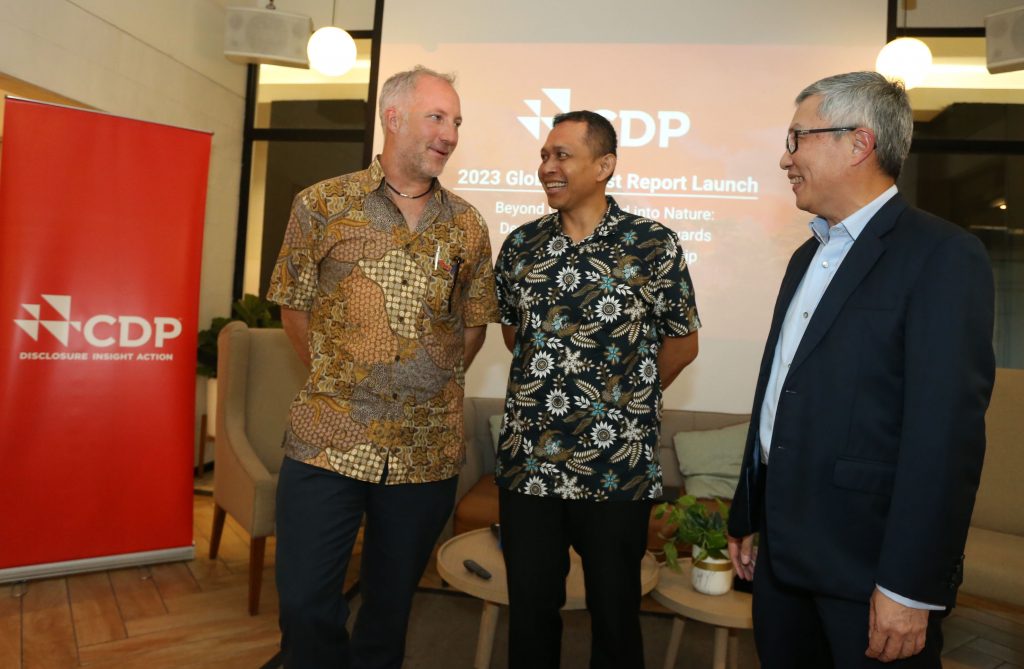
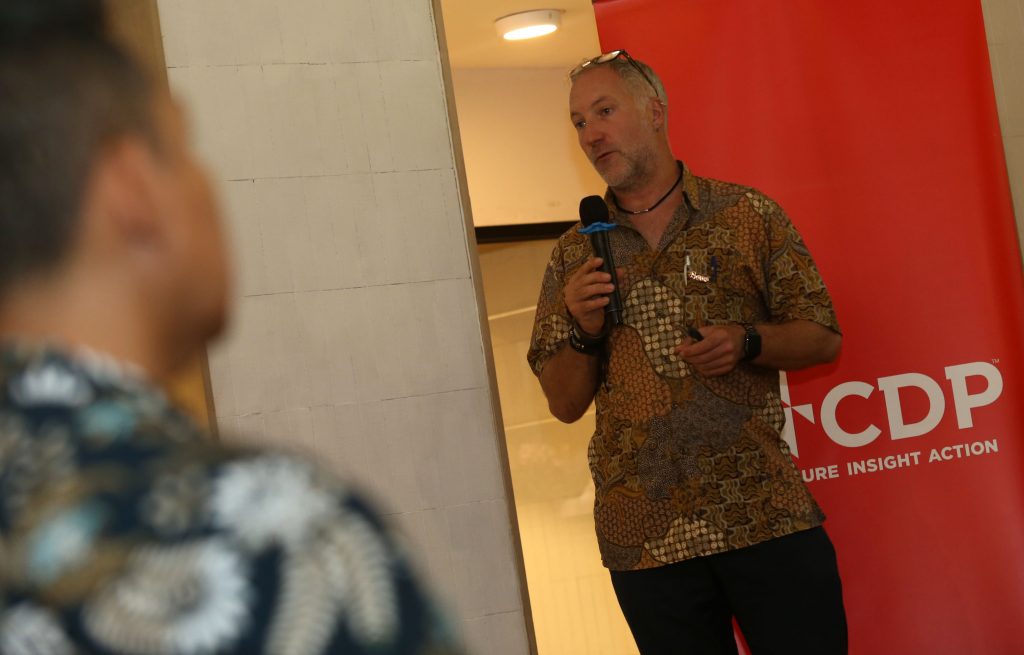
 Globally, more than 1,000 companies disclosed their progress so far in reducing deforestation in a recent report from CDP. The number of companies participating in this report will increase by 300% in 2022 compared to 2017, and only 35 of them are from Southeast Asia.

 More than 60% of companies participating in this report disclose business risks due to deforestation. The average company faces a loss of $330 million as a result of exposure to this risk, while the cost of treating this risk is only about $17.4 million.

 About 90% of companies say they are not ready to transition to a deforestation-free future.

 Companies in Asia perform better than other regions in establishing no-deforestation policies, no-deforestation targets, traceability and ecosystem restoration.

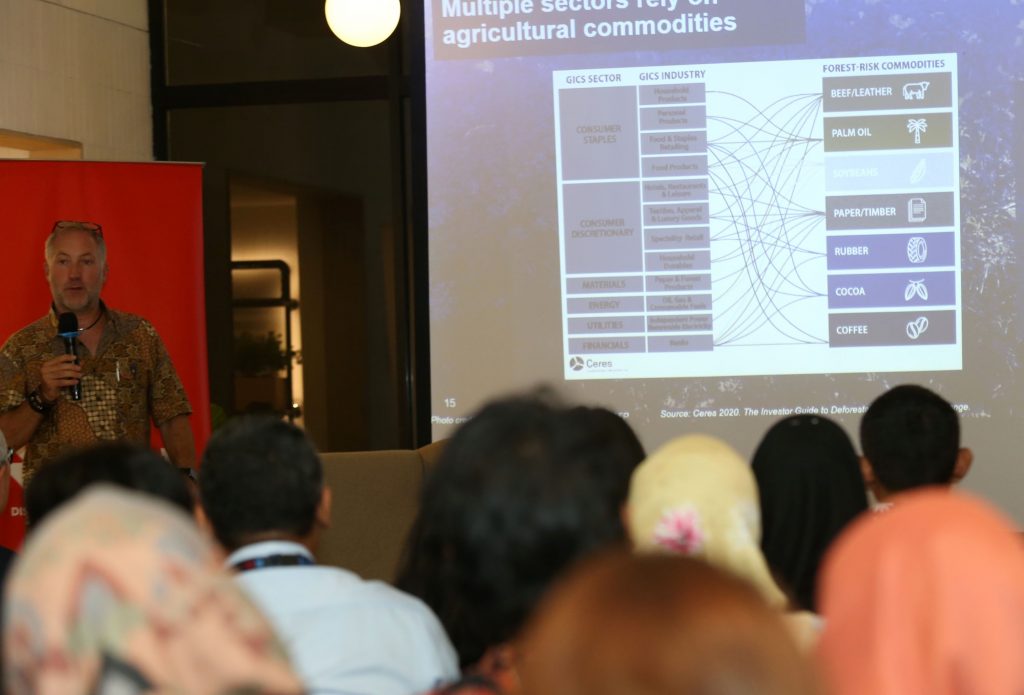
The latest report from CDP, the non-profit organization that operates the global environmental reporting system, shows that 1,043 companies made disclosures through the CDP forest questionnaire in 2022. This result represents a 300% increase in the number of companies participating in the last five years. This is a positive sign that many companies are starting to realize the importance of forests and are starting to open up to disclose the impact of their business operations on forests. Unfortunately, there are only 35 companies making disclosures in Southeast Asia. Even though there is an increase in companies realizing that there are business risks from deforestation, actions to fulfill commitments to reduce deforestation are still considered insufficient, thus encouraging an increase in these risks. In fact, only 1 in 10 companies reported taking sufficient steps to stop deforestation. The report concludes that globally, companies are still not effectively mitigating risk, resulting in a potential loss of nearly $80 billion overall. Of the 10 companies in Southeast Asia alone, the total risk reported was $2.3 billion, while the full cost of addressing all the risks identified and reported by the 16 companies was only US$223 million. CDP is of the opinion that the company’s reported financial impact of this risk is significantly lower than the actual number.

The Southeast Asian region contains about 30% of the world’s total coral reefs, one third of the world’s total mangrove forests2, and nearly 15% of the world’s tropical forests. This makes the implications of indifference to the impact of deforestation very large and the impact will be tremendously felt in the Southeast Asian region. The government and policy makers in Southeast Asia have taken important steps in demonstrating their commitment to carbon neutrality or net zero. A number of steps have been taken, including setting targets to reduce emissions from the forest sector and land use, managing deforestation, and collaborating with non-governmental parties, including the private sector. Some of the initiatives that have been implemented include improving the Nationally Determined Contribution (NDC), developing a green taxonomy, and environmental, social, and governance (ESG) or ESG disclosure requirements.

Despite the progress that has been made, there are many challenges that need more attention, especially for companies buying commodities from Indonesia. One of them is the impact of commodity production on biodiversity in Indonesia. By 2022, there will be 28 companies (increased from 21 in 2021) in Southeast Asia conducting disclosure via the forest questionnaire and leading the region. Among them, 10 companies came from Indonesia, 7 companies from Malaysia, 6 from Singapore, 4 from Thailand, 1 from the Philippines, and none from Vietnam. Urgent action is needed to end deforestation. Therefore, this report outlines the main steps that must be taken by the company. These steps include conducting comprehensive risk evaluations, increasing compliance with no-deforestation-and-conversion policies, and disclosing their progress towards achieving deforestation-free, conversion-free supply chains. CDP-facilitated disclosure of companies and the financial services sector allows for transparent reporting of progress in achieving best practice frameworks and standards.

John Leung, CDP’s Southeast Asia and Oceania Director said: “The Southeast Asian region has nature and climate which are important in efforts to tackle climate change. Therefore, countries in this region need to immediately take steps to prevent climate change together. The choice made by the government and companies in Indonesia and other countries in the Asian region The Southeast can help prevent catastrophic global climate change and loss of forests and their habitats.” This latest development is certainly very promising, and the region is headed in the right direction in terms of sustainability. However, to achieve the global commitment to halt deforestation by 2030, decisive action must accelerate. Carbon neutral or net zero commitments will not be achieved without stopping deforestation and land conversion. This report has shown that in Southeast Asia alone, the total risk reported, which is US $ 2.3 billion, is 10 times greater than the cost to handle all identified risks which is only US $ 223 million.

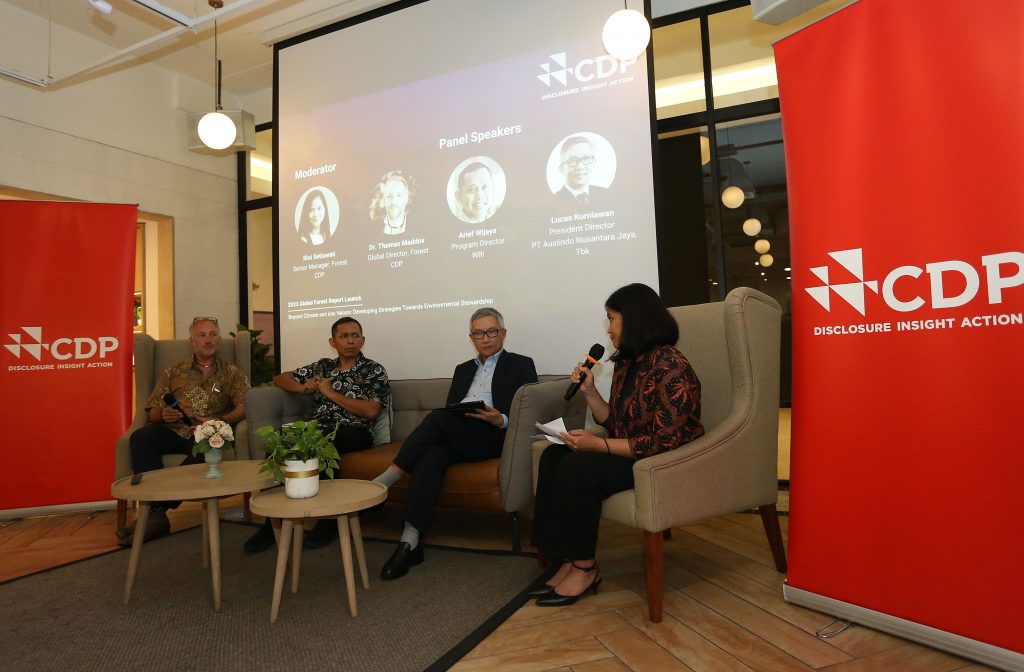
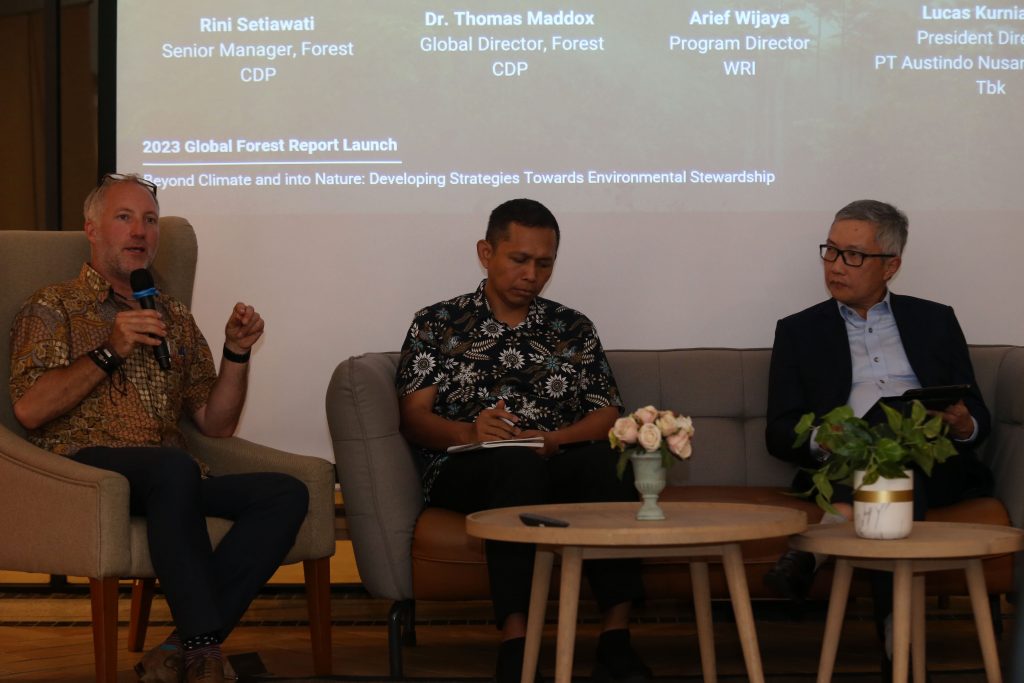
More serious environmental action and disclosure is needed so that we can gain a clearer picture of how to move towards a more sustainable future, where nature and people can coexist. We hope more companies in the region realize that protecting the environment and strengthening their commitment to nature conservation can be a competitive advantage for them.” Thomas Maddox, Global Director, Forests, CDP said: “This year was an extraordinary year for companies disclosing their impact on forests, while also showing a positive signal for transparency. This report shows that companies are increasingly aware of the risks and opportunities related to tackling deforestation. However, we still see a gap between commitment and action. clear of them Deforestation is not a necessity in commodity production Eliminating deforestation from commodity supply chains makes economic and environmental sense but requires financial incentives and the right policies to prioritize such action There is no room for deforestation in achieving net zero emissions and society demands the same. The most important thing in achieving this goal is the ‘when’, not the ‘if’. Companies that act late face the greatest risk of costs.” The 2023 Global Forests Report entitled “The Forest Transition: From Risk to Resilience” was released based on data from over 1,000 companies. As such, this report is the most comprehensive and standardized data set on companies’ exposure to deforestation risk. To read the full report:

CDP_Global_Forest_Report_2023_Bahasa.pdf

1301

Posted 3 years ago

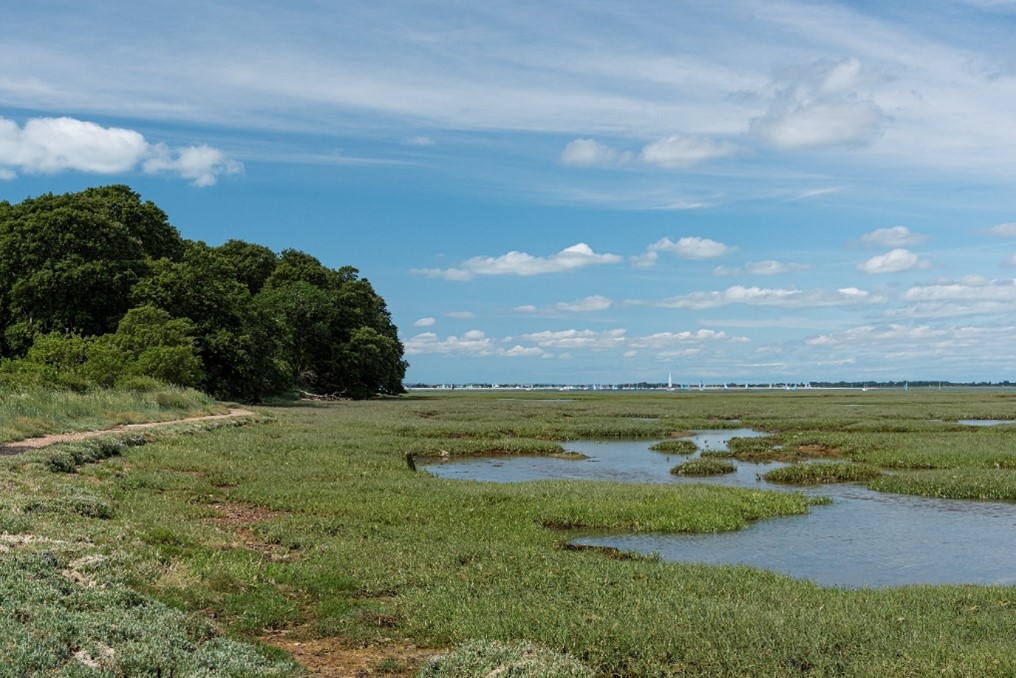
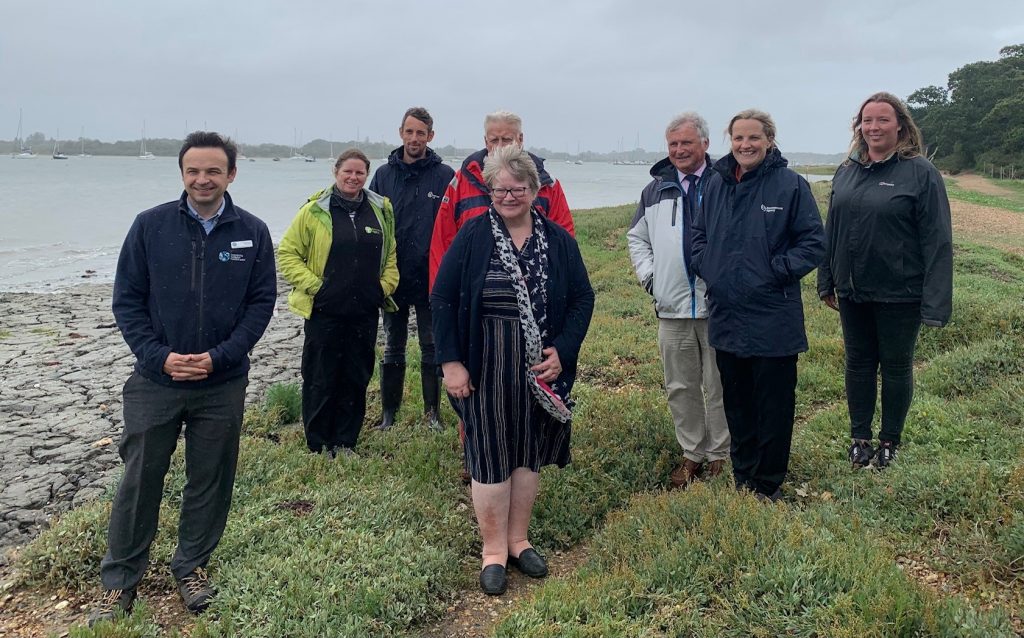
An innovative saltmarsh restoration trial in Chichester Harbour has attracted Government interest. Chichester Harbour Conservancy, the Environment Agency and the Solent Seascapes Project, met with Thérèse Coffey, Secretary of State for the Environment, on Wednesday 2 August to explain more about the project, and view the first shoots of glasswort (a pioneer saltmarsh plant species) colonising the site.

In 2021 a Natural England condition review found that saltmarsh in Chichester Harbour has declined by 58% since 1946. To help halt the decline Chichester Harbour Conservancy is leading a partnership initiative focussed on nature protection and recovery. The saltmarsh restoration trial at West Itchenor, which began in February 2023, has pioneered a technique for using sediment dredged within the harbour. The project used this sediment to raise the height of an area of shoreline with the aim of allowing saltmarsh plant species to colonise. 

Matt Briers, CEO of Chichester Harbour Conservancy:
“Chichester Harbour is one of the most important sites for wildlife in the UK and our saltmarsh is amongst our most precious of habitats.  We were pleased to welcome the Secretary of State to visit our saltmarsh restoration trial site and encouraged by the importance she places on protecting and restoring this habitat.”

The Rt Hon Thérèse Coffey MP, Secretary of State for Environment, Food and Rural Affairs:
“The Saltmarsh Restoration Trial in Chichester Harbour is an innovative and exciting approach to nature recovery.  Saltmarsh is declining at an alarming rate; it has been inspiring to see this groundbreaking initiative to restore a habitat which is so important in storing carbon and mitigating climate change.”

Saltmarsh loss and degradation in Chichester Harbour is partly due to “coastal squeeze”, where hard structures and sea defences prevent the natural movement of sediment in the harbour and cause erosion of the saltmarsh. Climate change and sea-level rise pose additional threats.

With the first stages of the saltmarsh restoration trial now complete, the site will be carefully monitored to gauge the success of the technique, to inform future saltmarsh restoration projects.

More about the trial and Chichester Harbour Conservancy’s work to protect and restore saltmarsh is available at www.chapron.org.uk.

1376

Posted 3 years ago

Mercedes-Benz in the UK has chosen dynamic smart charging company Ohme as its new official home charging partner.

The agreement will see Mercedes-Benz recommend Ohme chargers to customers who need a home charging solution. And an Ohme Home Pro charger will be available in Mercedes-Benz showrooms for customers to view.

“We are delighted to announce that we will be partnering with Ohme as our recommended home charger supplier,” said Jason Allbutt, Head of Product and Planning from Mercedes-Benz. “Ohme’s technological innovation and excellent approach towards customer service and professionalism align with the core values and culture of Mercedes-Benz.”

David Watson, CEO of Ohme said: “Mercedes-Benz has one of the strongest premium line-ups of electric vehicles. This collaboration with Mercedes-Benz underlines Ohme’s position as one of the UK’s fastest-growing and most dynamic smart charging companies in the UK. We’re looking forward to introducing Mercedes-Benz customers to the benefits of smart charging and supporting its network of agents.”

Ohme’s dynamic smart chargers can connect with the national grid in real time and automatically adjust its charging for drivers to take advantage of all the times of low price charging with smart off-peak tariffs, not just set times.

Charging a Mercedes-Benz EQA with a 66kWh battery from 0 to 80% charge with an Ohme smart charger on a smart off-peak tariff, such as Octopus Intelligent*, could cost just £3.96. Ohme also offers drivers the option to charge their car when renewable energy generation on the national grid is at its highest, further lowering their CO2 impact.

Ohme has just been named as Fast Track Company of the Year in the 2023 UK Green Business Awards as well as Best Electric Charging Point Provider by Business Motoring.

* Octopus Intelligent at 7.5p/kWh for 23.30-05.30am, Standard Variable Tariff – 30p/kWh