1218

Posted 3 years ago

Fera Science Ltd has embarked on the largest ever ecosystem investigation of its kind across England, which will help assess the true impact of ‘nature-friendly’ farming practices at over 6,000 locations.
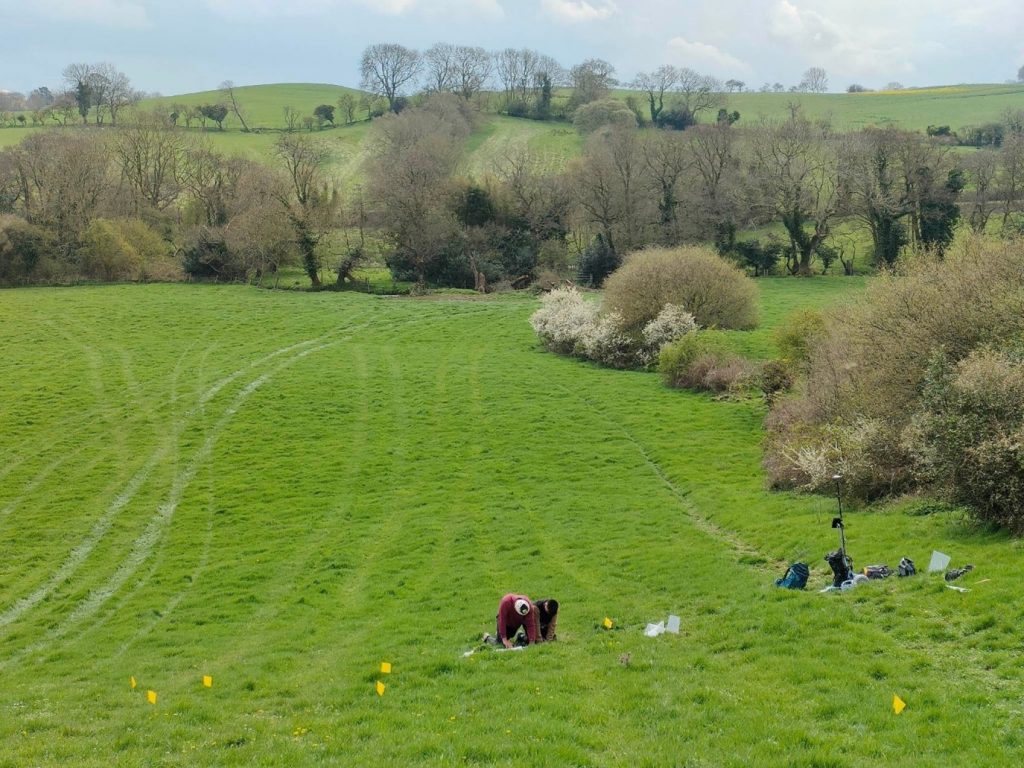
Funded by Defra and Natural England, the England Ecosystem Project is being rolled out by Fera with the support of 15 partner organisations, including the Wildlife Trust and ADAS.

The unprecedented project has been set up to build a picture of the current state of England’s farmland habitats and soil conditions, and how this varies across different regions and farming systems.

Martin Worsley, natural capital researcher and soil scientist at Fera, explains that the insights from this highly detailed data will evidence how farmers and estate managers are helping to achieve the UK’s 2050 net zero goal, and highlight untapped opportunities for environmental protection. .

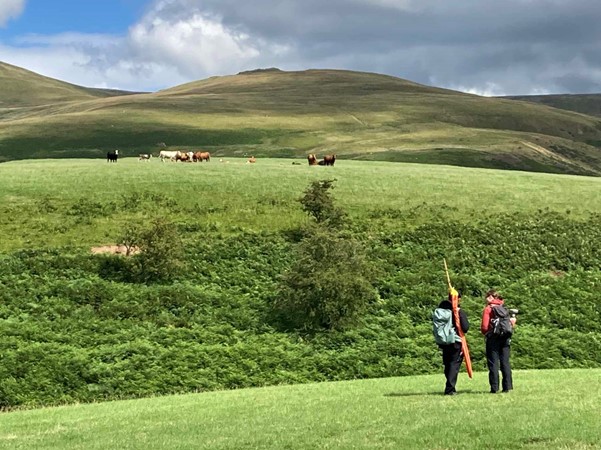
“Our aim is to quantify the living aspect of soils across every type of farmland habitat, from upland livestock farms in the Scottish borders to horticulture and arable farms down in Kent,” he says.

“Creating this baseline will help us to track important metrics, such as soil carbon and nutrient levels, over time to show where farmers are helping to move the dial with environmental protection.
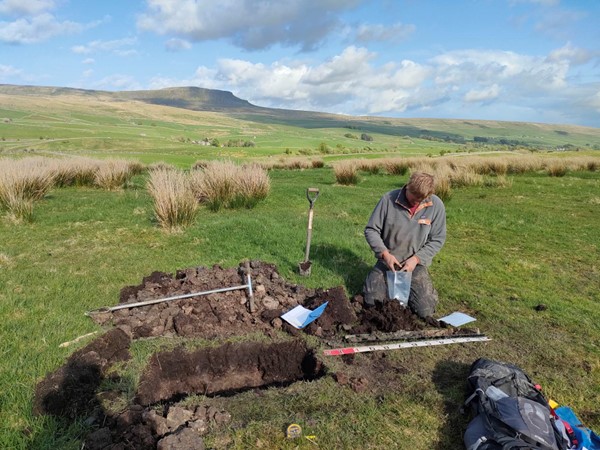
“It will also help us highlight opportunities for increased carbon capture, and where producers can learn from best-practice, to help ensure sustainable farming and land management efforts are targeted in the right place for maximum benefit – both to society and farm business,” he adds.

The project involves Fera’s team of ecologists carrying out in-depth analyses of soil samples and vegetation surveys captured at 38,000 sampling points across England. This will be revisited every five years.

Mr Worsley says: “We’ve had a fantastic reception from the farmers who’ve granted us land access for soil sampling.

“They are genuinely very interested in the detailed data the project will be able to provide and how it could inform their future land management plans, which they could tap into private and public funding pots for.”

For farmers and land managers looking to explore environmentally friendly income streams, Mr Worsley advises that quantifying the natural capital you have is a vital first step.

“It’s important to have detailed baseline measurements of your farmland natural capital to be able to accurately plan how best to go about making investments and tapping into the funding on offer,” he says.

“If you’re not 100% confident on current farmland data, such as the levels of soil carbon or total wildlife habitats across your holding, you’ll be in the dark when it comes to making the most of income opportunities.”

Fera’s natural capital assessment service, LAND360, helps farmers and land managers to measure, map and monitor their natural capital, so they can make more informed land use decisions. To find out more, visit: https://www.fera.co.uk/land360-land-management

1656

Posted 3 years ago

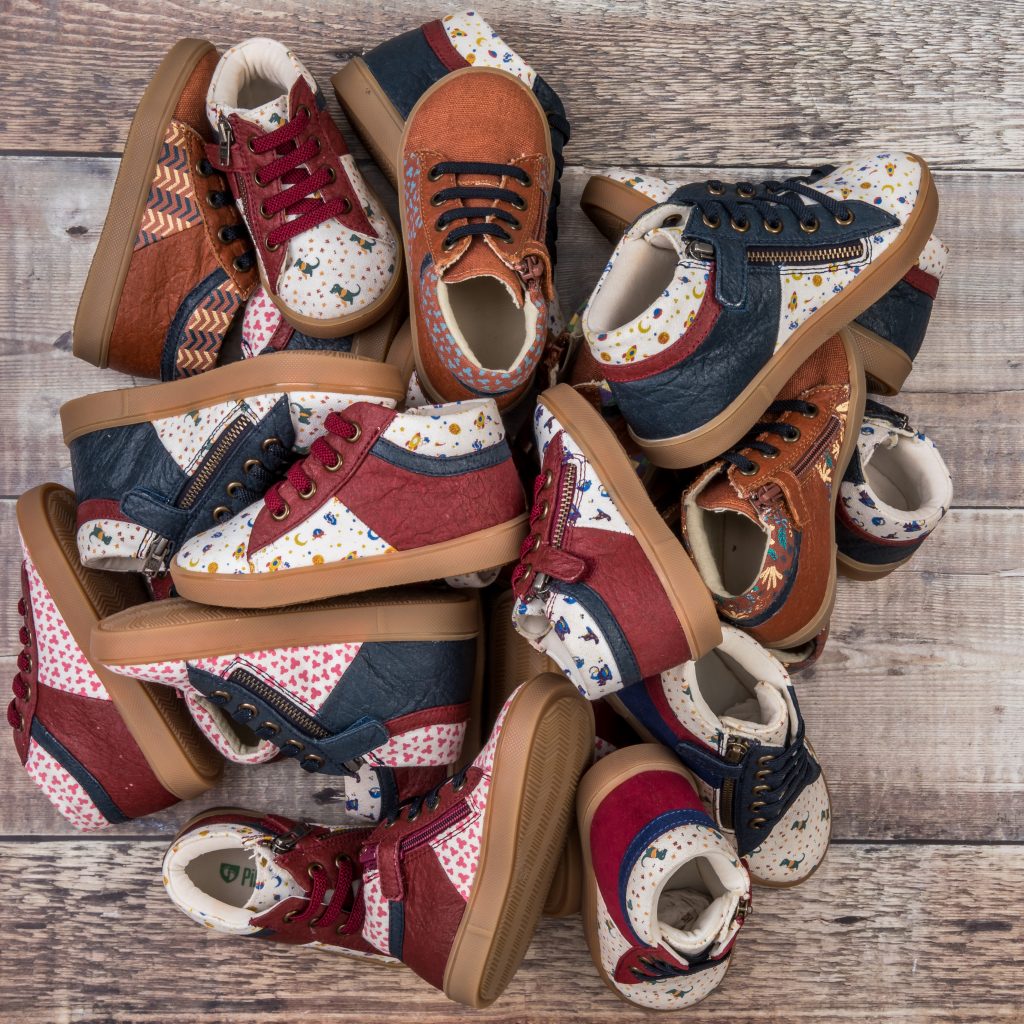
Pip & Henry is a sustainable footwear brand for children. With over 80 million pairs of shoes thrown away each year in the United Kingdom alone, Jeroo Doodhmal set out to create comfortable, durable and most importantly, planet friendly shoes for kids.

Furthermore Pip and Henry offer an easy to use recycling scheme for shoes which have been outgrown. But why have shoe recycling accessible for sustainable footwear only?  As part of their commitment to doing their bit for the planet, Pip and Henry have opened their shoe recycling program to accept all shoes, no matter the size or the brand.

Making sure our children are comfortable in their shoes at all times – not too small, not too big – can be really tricky.

This was an issue that Jeroo Doodhmal faced in the early years of raising her daughter.  This made her consider the impact that constant shoe consumption was having on the environment. This was the moment Jeroo decided to take matters into her own hands and created Pip and Henry.

In the UK, around 15% (or 26,244 tonnes) of post-consumer shoe waste is collected and redistributed as second-hand. The remaining 85% (or 142,756 tonnes) is sent to landfill. It is estimated the average pair of shoes takes 100s, even 1000s of years to fully decompose. Ultimately this results in chemical-based compounds breaking down and constantly seeping into the earth. The simple solution, handing over your old shoes to Pip and Henry for recycling.

How does Pip and Henry recycle shoes that are not sustainably made?

Pip and Henry have opened their recycling service to accept any shoe no matter the size or brand.  Although these shoes can’t be recycled the same way as Pip and Henry’s own brand, they are rather broken down and made into useful materials such as insulation for children’s playground equipment or floor fillers.

How do I send my shoes to Pip and Henry to be recycled?

The service is Free and extremely simple to use. Better yet Pip and Henry will give you £10 off your future order if you send your old shoes for recycling.  All you would have to do is follow these three easy steps:

  1. Package up your shoes and post them to 37 Franks Avenue, New Malden, KT3 5DD, United Kingdom. Don’t forget to add a note in the package with your name and email address so we can send you your voucher.
  1. Pip and Henry will responsibly strip your old shoes into their component parts and repurpose them for different uses (such as playground surfaces and floor fillers).
  1. Pip and Henry will then send you a £10 off voucher for your next pair via email so keep an eye on your inbox after your shoes have been sent.

What else do Pip and Henry have up their sleeve?

The brand believes that the best way to increase children’s awareness of the environment and to help them feel empowered to drive change, is through playful and fun storytelling.

So alongside their children’s footwear and recycling program, they pen beautiful stories about Pip & Henry, a little girl and her dinosaur friend embarking on adventures to save and learn about the planet.

For more information visit: https://pipandhenry.com/

1278

Posted 3 years ago

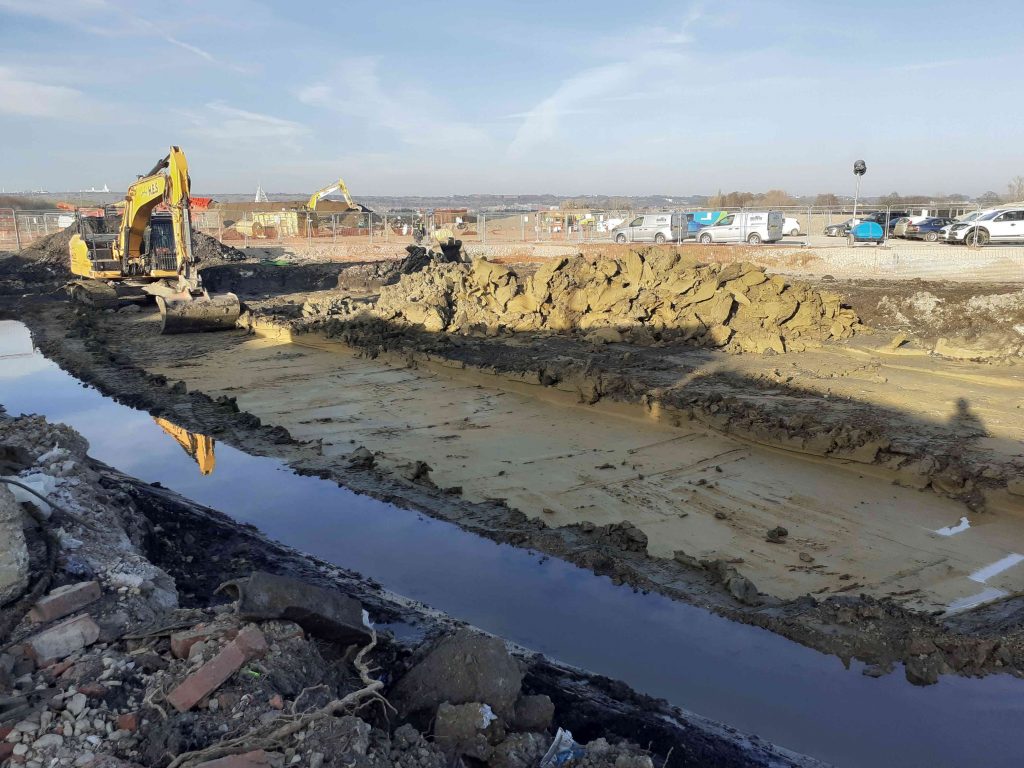
IDOM Merebrook, a leading environmental engineering consultancy is supporting the remediation of a challenging site for redevelopment in Tipner, Portsmouth. The site forms part of a former tar works, chemical works, oil storage depot and scrapyard. 

The development is on the edge of Tipner Lake – a Site of Special Scientific Interest RAMSAR site and a wetland conservation zone.  Tipner Lake is connected to Portsmouth Harbour and provides an important habitat for wintering birds.

The contaminated land team has worked in partnership with PMC Construction and remediation specialists Soilfix to implement the approved remediation strategy that will allow the contaminated site to be reused for a residential development and ensure the safety of future residents and the surrounding environment. 

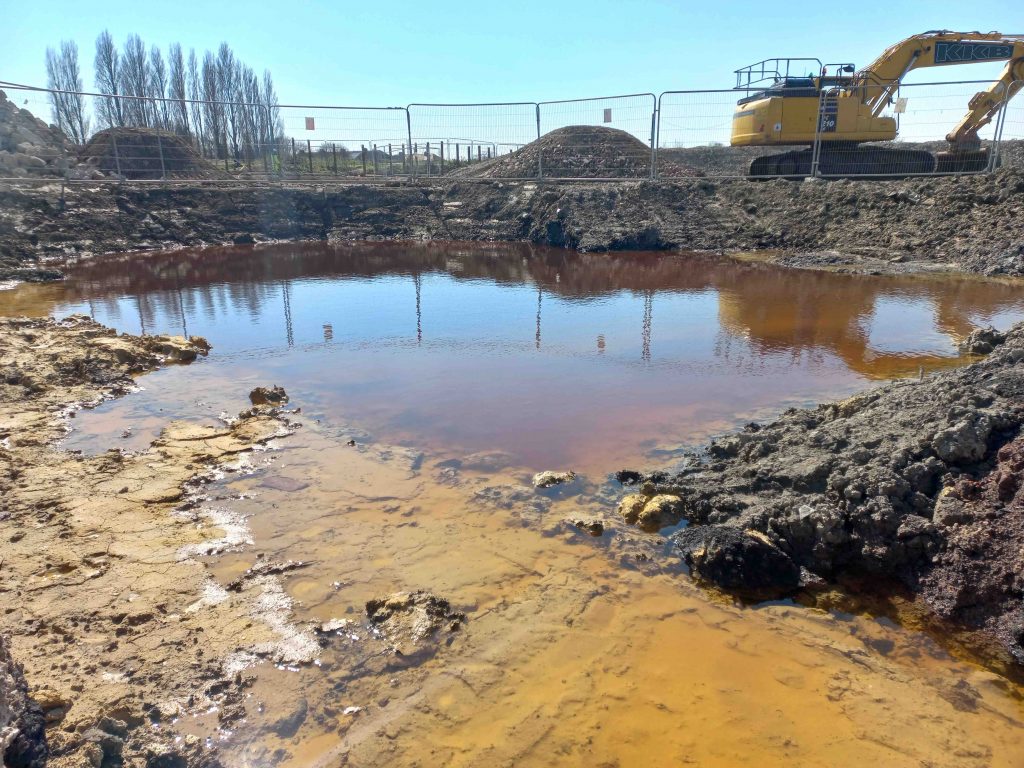
The site presents a variety of challenges including a wide range of contaminants such as metals, hydrocarbons, VOCs, asbestos, cyanide, tars and phenolic compounds. This is in addition to the site being built on land reclaimed from Tipner Lake using a series of World War II barges, creating interesting challenges regarding water management and obstruction removal.

Throughout the project contamination hotspots are being removed and bio remediated before being stabilized, and used as backfill to the remedial excavations. The stabilized soils will form a plug to prevent impact to the underlying Chalk aquifer and an impermeable barrier has been installed to prevent any contamination from reaching Tipner Lake.

Future water flowing through the site will be allowed to leave through permeable reactive carbon gates which will remove contaminants. Once the remediation phase is completed the site will be capped to seal off any residual contamination and levels raised to protect from flooding.

On site the team of consultants are carrying out daily environmental monitoring of noise, dust and odour levels to ensure the site works are carried out safely and without negative impact for workers, surrounding residents and wildlife.

Nigel Huish, Managing Director, IDOM Merebrook commented:

“Britain has a housing crisis and sites such as Tipner are an important part of addressing the shortfall, it is imperative that land does not go to waste and can be successfully remediated.

It’s normal for former industrial sites to be contaminated as a result of their historic uses. However, this can all have a significant impact the success of regeneration projects, so it’s it’s crucial to consult an expert team and undertake robust, practical and cost-effective land remediation works.

While this has been a challenging site for our consultants – from treating grossly contaminated soils, providing clean soils in areas of soft landscaping, the management of Japanese knotweed, tank, scrap metal and concrete removal, we are now in a position where the land will be fit for purpose and a new space for community living and working can be created.”

1391

Posted 3 years ago

With the average festival goer generating a carbon footprint of 25kg of CO2, the equivalent of burning 13kg of coal, both visitors and festival organisers are seeking ways to reduce their impact on the planet.

Gone are the days of drinking warm wine from flimsy plastic cups and the demand has shifted towards quality craft brands that deliver on taste and help reduce our environmental impact.

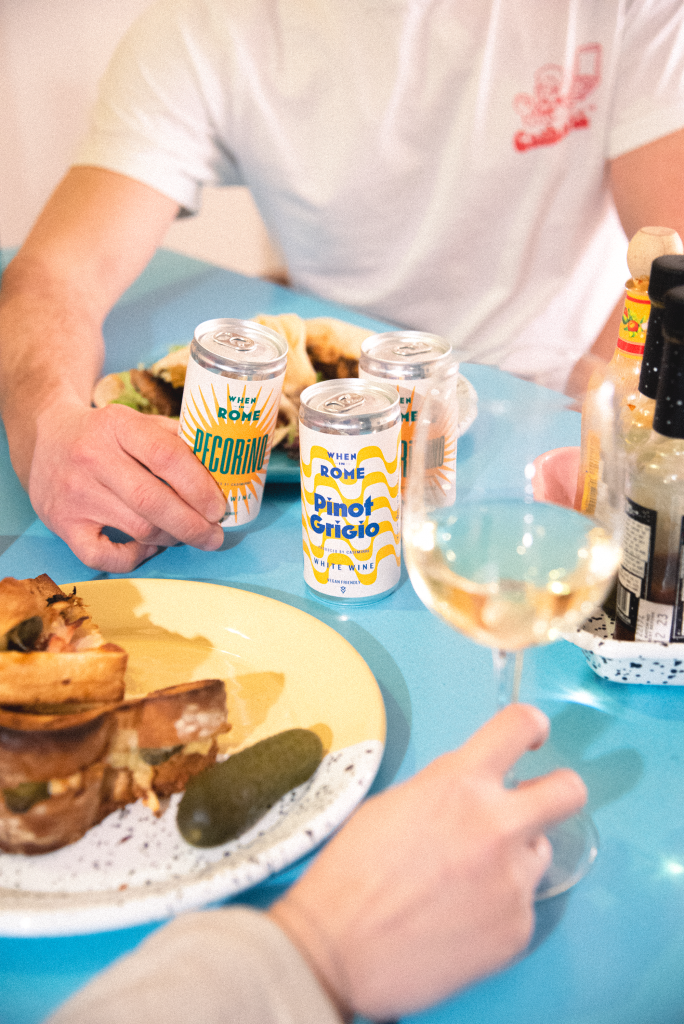
For alt-format, Italian craft wine brand When in Rome, it’s part of their ongoing de-carbonising mission to reach as many consumers as possible with their range of premium canned, bag in box and paper bottle wines with packaging that produces up to 10 times less CO2 than a single-use glass wine bottle.

Their award-winning paper bottle wines have already made an appearance at Coldplay’s net zero concerts this year, with frontman Chris Martin spotted enjoying the wine on their Music of the Spheres tour; and the paper bottles will also be served at the Y Not? festival this month.

Rob Malin, When in Rome founder, said: “Our Italian wines are intended to be enjoyed all year round, but our wines really come into their own during the summer season, where we have a wine and a format for every occasion.

“We want to help the rest of the world enjoy wine like the Italians do, by producing premium, yet accessible wines packaged in more sustainable alternatives to single-use glass bottles.

“Our canned and paper bottle wines provide the perfect solution for festival organisers who have an obligation to reduce their climate impact. Not only do they produce less carbon, but they are also lighter to transport and without the risk of hazardous breakages.

“Italian wine has risen in popularity over the years, proved by the fact that for on trade, Italy was the top selling country by volume in 2021, and with Puglia’s wine makers now producing pale rosés that rival Provence, we think Italy will continue to be a dominant force in the wine industry.”

In April, When in Rome was recognised at the London Wine Competition, winning silver for their Primitivo wine and bronze for their Pecorino. They also won a silver award for their canned Pecorino at the International Canned Wine Competition.  

Currently there are five wines in the brand’s canned range, including Primitivo, Rosato, Pinot Grigio and Pecorino, with their semi-sparkling wine, ‘Sekko’, launching in August.

“We are doing things differently and we’re proud of it,” added Rob.

“Given that 39% of the wine industry’s CO2 emissions stem from single-use glass bottles, we feel it’s our duty to lead the charge towards the decarbonisation of the wine industry and provide eco-conscious consumers with an alternative.

“We are responsibly delivering our product as transparently as possible – we’re the first wine brand in the UK to publish the climate footprint of each bottle, can and box on the packaging.”

When in Rome can be found in Sainsbury’s, Waitrose, Ocado, BA High Life Café, WHSmith from August 14th and independent stockists throughout the UK.

For more information, visit www.wheninromewine.com

1350

Posted 3 years ago

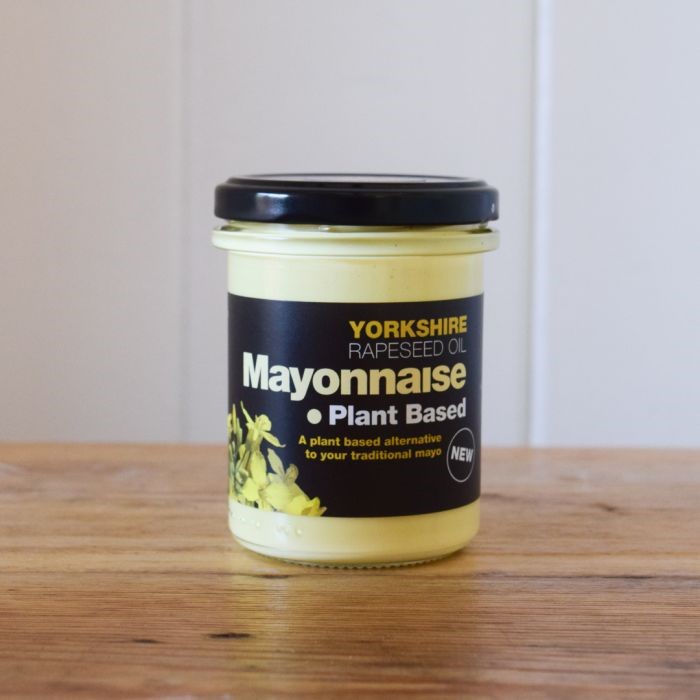
Based on a farm in the heart of the Yorkshire Wolds, Yorkshire Rapeseed Oil creates delicious-tasting artisan oils, dressings and mayos using our own cold-pressed rapeseed oil. Naturally plant-based it lends itself deliciously to making this alternative vegan mayonnaise that has all the flavour and texture of our standard Yorkshire mayonnaise. Our plant-based mayo is made from oil seed rape that is grown on the Yorkshire Wolds and cold-pressed in the factory on our farm.

Reasons to buy? New product
Delicious, plant-based alternative to traditional mayo
Made on the Palmer family farm in Yorkshire
Created using Great Taste award-winning rapeseed oil
Full of flavour, easy to use and versatile
Support a family-run artisan business
Not available in supermarkets
Suitable for vegetarians and vegans.

The perfect creamy mayonnaise made using award-winning cold pressed Yorkshire Rapeseed Oil, with just a touch of mustard. Delicious with sandwiches, salads, chips and so much more! A great addition to homemade coleslaw.

https://www.yorkshirerapeseedoil.co.uk/

1964

Posted 3 years ago

As the world becomes more and more aware of the impact of climate change, we all need to contribute in whatever way we can to protect the environment. As travellers, it’s important to be aware of our carbon footprint and take steps towards sustainable travel. Travelling sustainably can be a cost-effective way for reducing carbon emissions while satisfying our wanderlust. In this blog, we will discuss ways to travel more sustainably and reduce your carbon footprint:

Choose a sustainable mode of transportation

While air travel might seem to be the most convenient way to get around, it’s the most carbon-intensive mode of transportation. Instead of flying, choose to take trains, buses or even a bike whenever possible. When driving, carpool and drive efficiently to minimise fuel consumption. Alternately, you can also consider staying close to home and exploring your own city and places around to minimise your carbon footprint.

Consider accommodation options too

A significant impact on your carbon footprint comes from the accommodations you choose. Many hotels have become ecologically conscious with an emphasis on sustainability, but there are also eco-lodges, camping sites, and B&Bs specialising in environmental awareness. Book your stays carefully, and look for hotels that advertise sustainable practices like using renewable energy, recycling, and water conservation.

Try vegan foods

You may wonder, how exactly does food impact the environment? Well, animal farming has been known to contribute to greenhouse gas emissions, deforestation, and water pollution. By opting for vegan food options on holiday, you can help reduce the demand for animal products, thereby reducing its environmental impact. Additionally, trying vegan foods can also introduce you to new cultures and gastronomic experiences.

Pack lightly

Carrying a lot of luggage on your travels can contribute significantly to carbon emissions. Heavy luggage requires more fuel to transport, which burns more carbon into the atmosphere. Opt for packing light, and limiting your luggage to essentials to reduce carbon emissions.

Moreover, you can also pack some eco-friendly products like a water bottle that can be refilled, soap bars, and bamboo utensils to reduce your environmental impact while travelling.

Respect local communities and the environment

When travelling to a new place, it’s essential to respect the environment and the local communities that call it home. Any relevant information, such culture recommendations or etiquette guidance, can be obtained through research before travelling. It’s also important to be aware of the effects of your actions on the environment, especially when visiting protected areas such as national parks. Stay on designated trails, avoid single-use plastics, dispose of all trash properly, and avoid damaging the environment while exploring.

In conclusion, sustainability is an essential aspect of travel, and we must be responsible as we indulge in our wanderlust. Implementing these tips will not only reduce your carbon footprint, but also make your travels more meaningful and enjoyable. This approach to travel will have a positive impact on our planet. Let’s all do our part, one trip at a time.

1526

Posted 3 years ago

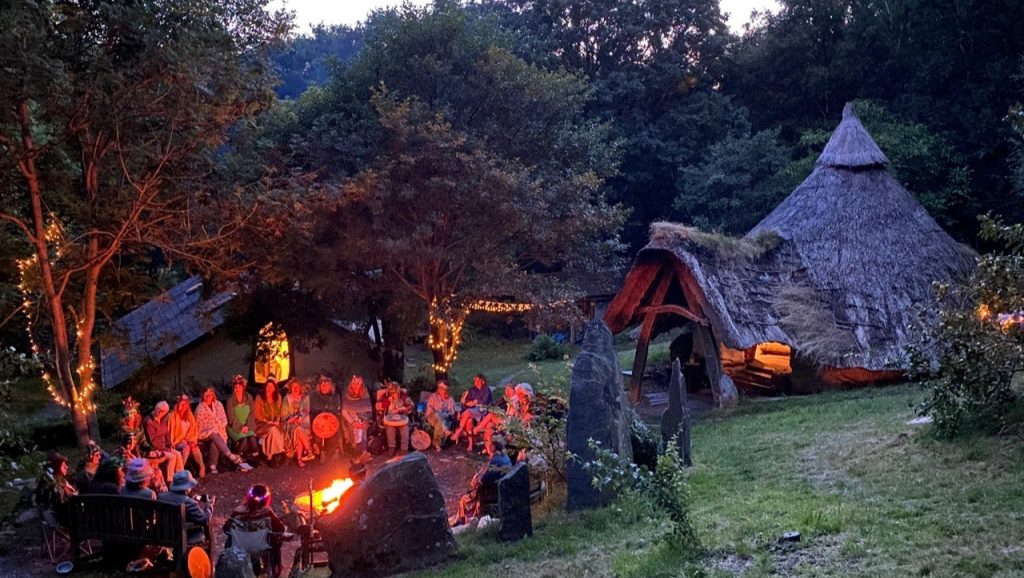
From Saturday 30th September until Thursday 5th October, The Psychedelic Society (https://psychedelicsociety.org.uk/) will host Enchanted Woodland Retreat, a 6 days journey delving into the wondrous realm of the mycelial world and immersing in the captivating woodland setting of Cae Mabon (https://www.caemabon.co.uk/) in Snowdonia, where nature’s magic awaits.

Guests will experience the fungal realm in all its glory by getting up close and personal with the many mushroom species that grow in the woods, forging an intimate bond with the mystical Amanita Muscaria mushroom, uncovering its hidden secrets in a safe and nurturing environment. 

Amanita Dreamer, world renowned researcher and speaker, is one of the facilitators who willshare her wealth of knowledge, providing invaluable insights on how to find, prepare, and work with this magical and mysterious mushroom.

Activities will include a special Amanita Drumming Ceremony, sweatlodge Ceremony, forest foraging, sacred rituals, dancing, hiking, wild swimming, meditation and much more, with like-minded human beings and nature lovers in a magical setting that will ignite your soul and uplift your spirit

The dates has been carefully selected to coincide with the peak of mushroom fruiting season, so there’s high chances of encountering the magnificent Amanita Muscaria in its natural habitat. 

1283

Posted 3 years ago

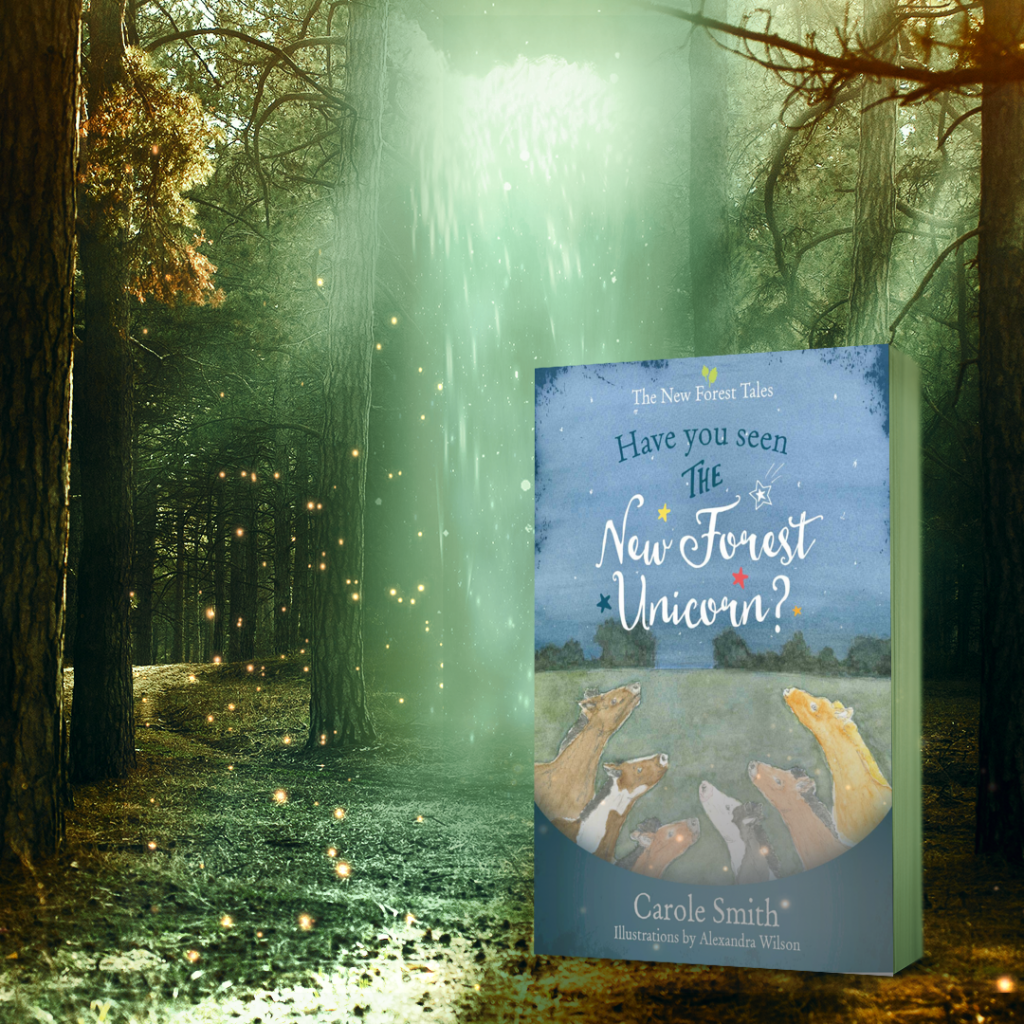
You may be lucky enough to see the Unicorn, it may be hiding behind the Gorse by the Stone Water Trough at Wootton.

Maybe Willow was right… it may go to Setley Pond for a drink!

It could even be visiting the Trolls that live under Wootton Bridge.

Perhaps the Unicorn did visit Hincheslea, and saw the Hot Air Balloon?

And on a walk at Wilverley Plain or Longslade, you may be lucky enough to see the New Forest ponies grazing or playing: Drummer, Merlin, Peewee, Riley, Willow and Juliet.

If you go to the Deer Sanctuary at Bolderwood or to Pipers Wait you may even see The Monarch.

But on a dark clear night if you look up, the Unicorn may appear among the stars in the sky over The New Forest.

Drummer, Merlin, Peewee, Riley, Juliet and Willow will keep looking, will you join them?

The New Forest Ponies all roam free and wild within The New Forest, if you visit, please remember to look and to admire them, but never ever touch or feed them.

In short, what is Have You Seen the New Forest Unicorn? about?

The story is about 6 new forest foals and their adventures looking for the New Forest Unicorn.

What inspired you to write the book?

During lockdown when we were unable to see and cuddle our family as were the rest of the world, I spent a lot of time with my granddaughter and found it really upsetting being away from her. Pre-lockdown, she always wanted to watch the ponies as they walked past the house so I began to narrate stories over facetime to her.

What age group is it aimed at?

My idea is for the story to be suitable to be read to smaller children who will be able to associate with the story and the illustrations but also be interesting for older children to read.

What is your connection to The New Forest?

I have lived in The New Forest since 1985 when I met my husband. I have been fortunate to have owned and ridden horses and walk my dogs each day in the New Forest.

Are the places visited by the characters in The New Forest fictional?

The places that the characters visit are actual places that I either, walk or ride past most days.

Is this your first book?

Yes, I have never written a story, only reports when I was working.

What came first, the characters or the plot?

The plot came first as my granddaughter loves Unicorns and that gave me the idea to write the story.

How did you create the characters in the book?

All the main characters are based on ponies that I have both owned and known over the years.

Who is your favourite character in the book if you had to pick one?

I think it would be Merlin as he was the naughtiest and the one that stole my heart but also Peewee as he is so cheeky.

Is there scope to continue the story in future books?

Absolutely, I have lots of ideas as to where the characters can go in future.

How long did the book take you to write?

Originally it only took a matter of hours but I have rewritten it as I developed the story.

What was the writing process like?

Really rewarding, I love writing and never thought that at this time in life that I would embark on something completely new.

Did it involve much research?

Not really as I already ‘knew’ the characters and the places they were visiting.

What inspired you to write a children’s book specifically?

During lockdown I really missed the girls and wanted to write a story that I could read to my Granddaughters and then thought how lovely it would be if I could publish a book specifically for them.

Could you tell us more about your own interest in horses?

Since I was a small child, I used to love watching a tv programme called Folly Foot, Black Beauty was my favourite book and I used to beg my parents for riding lessons for birthdays and Christmas. I was always going to the local stables to help out and loved everything to do with horses.

I got my first pony when I was about 11, he was called Raffles and I spent all my time, whatever the weather with him. I have had quite a few horses over the years apart from a break of about 10 years when the children were small.

What do you love the most about The New Forest?

Everything. The forest is a constantly changing environment, there are always new things to observe throughout the seasons. It is steeped in history which I find very interesting, full of myths, legends and stories. The New Forest has over 40 miles of coastline, so you are never at a loss of what to do with spectacular views toward the Isle of wight. What’s not to love??

What are your hopes for the book?

Mainly, I hope people enjoy the story and the illustrations. I would love to write more stories about our characters and their adventures and introduce new characters who can visit so much more of this beautiful area.

And finally, what do you hope that readers will take away from the book?

A smile.

1802

Posted 3 years ago

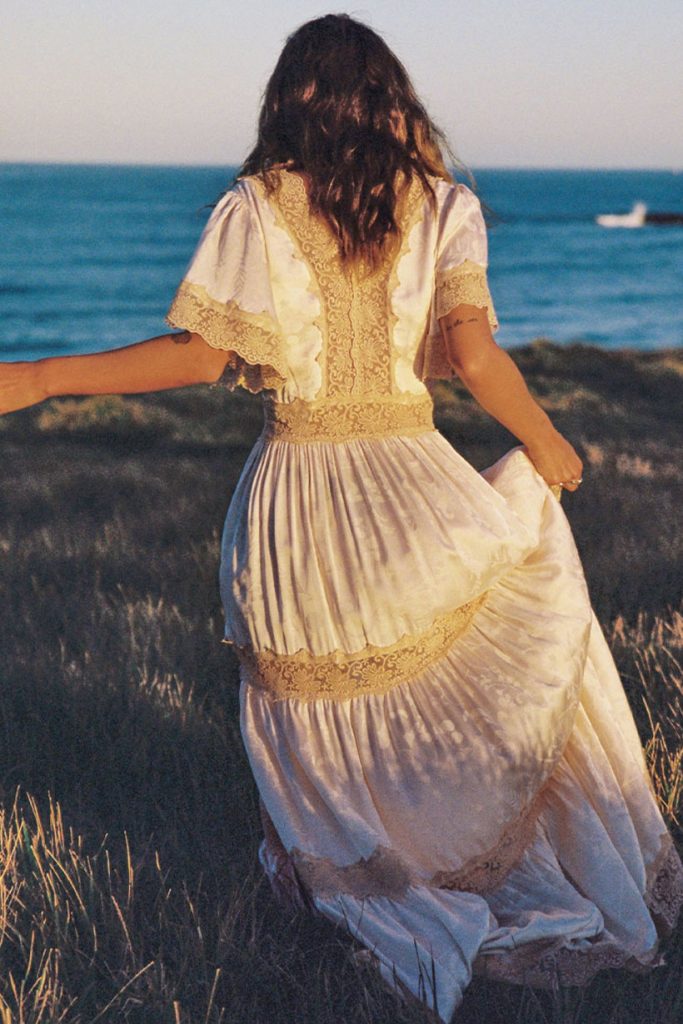
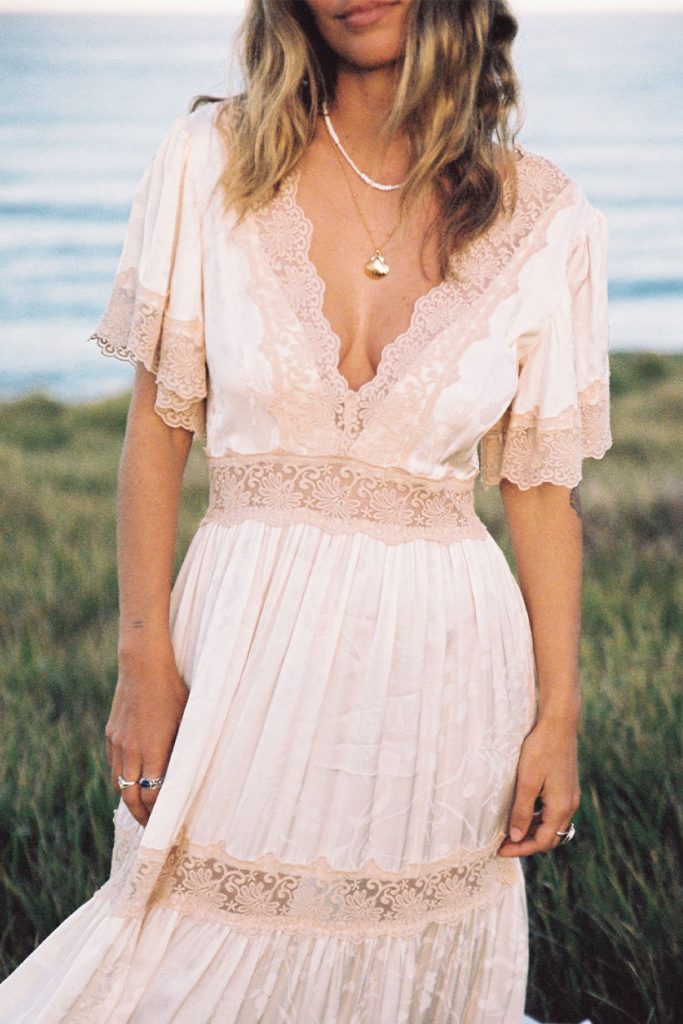
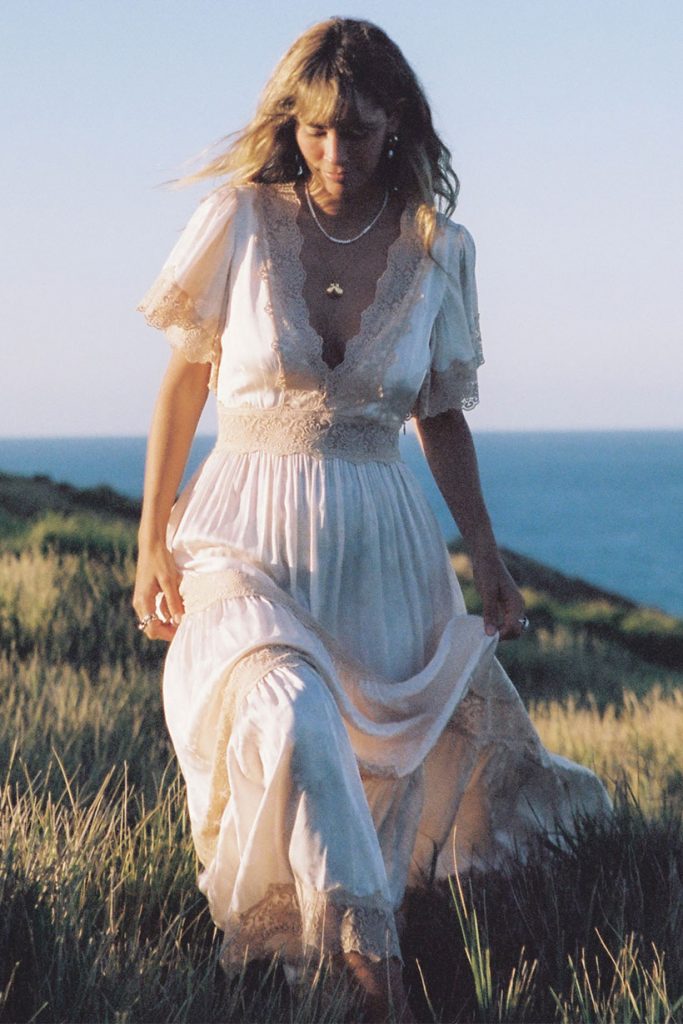
Delighted to share that Spell’s best-selling Ocean Gown, which was worn by Camila Morrone in Daisy Jones & The Six, has just been recut for another season – officially available online now, and just in time for peak summer. Sizing ranges from XXS – 3XL.

Spell is also available on Revolve and Free People.

“We designed our Ocean Gown almost five years ago, and it came out at the end of 2019 as part of our Seashell collection. Since its first release almost four years ago, our major retailer Free People has requested it to be recut twice! As a brand that doesn’t recut our styles too often, we had only recreated these as special requests for retailers until the gown appeared on Daisy Jones & The Six and our customers begged us for a remake,” says Head of Brand, Mel Carrero.

https://usa.spell.co/

1847

Posted 3 years ago

The fashion industry. An industry that has long been a major contributor to environmental degradation, and is now under increasing pressure to become more sustainable. But we can’t help but wonder, why does the interior design industry slip under the radar?

In this article, Accouter Group of Companies explore the significance of the interior’s industry making both ethical and sustainable changes, and how our B Corp™ certified collective is paving the way for luxury’s new generation.

The fashion industry has indeed received notable and significant attention for its environmental impact, particularly due to its association with fast fashion and the production of clothing at a large scale. However, it is important to note that the interiors industry must also be subject to scrutiny when considering its sustainability practices.


One large reason as to why this industry may appear to stay out of the spotlight compared to fashion is the difference in consumer visibility. Clothing is more visible on an every-day basis, and is often a personal expression of style. This therefore leads to a higher degree of public awareness and scrutiny. In contrast, interior design choices, especially within the luxury sector, tend to be more private, and the impact of individual purchasing decisions may be less visible to others. This can result in a lower level of public awareness and attention on the sustainability practices within the interiors industry.

Another factor is that the fashion industry has been more readily associated with issues like labour rights and unethical production practices, which have captured public attention. The prevalence of “fast fashion” and the rapid turnover of clothing collections have drawn criticism for contributing to overconsumption and waste. These factors have fuelled public discussions, activism, and media coverage, directing attention to the fashion industry’s environmental impact.


However, it is important to mention that sustainability concerns in the interiors industry are gradually turning more heads. As environmental awareness increases, consumers are becoming more conscious of the materials, manufacturing processes, and supply chains behind furniture and home goods. Additionally, sustainability certifications and standards for the interiors industry, such as LEED (Leadership in Energy and Environmental Design) and Cradle to Cradle, are gaining traction, helping to raise awareness and accountability.


While the interiors industry may not receive as much attention as the fashion industry, this doesn’t mean that the world of interior design doesn’t care. Sustainability in interiors is starting to become a part of the larger conversation on environmental responsibility. At the Accouter Group of Companies, we are pioneering our mission to bring this conversation to the forefront, to broaden the awareness and to therefore make better decisions for our planet.

AGC ARE B CORP™ CERTIFIED – WHAT DOES ACTUALLY THIS MEAN?

Earlier this year, Accouter Group of Companies were proud to announce our B Corp™ certification, being the first British Interior Design Collective to achieve this. Although the discourse of sustainability has risen significantly in recent years, the definition of a B Corp™ and how it develops us as a luxury studio may not be so clear.

B Corps™ are defined as businesses that want to achieve more than just making a profit. Their company goals and values are committed to creating a positive impact on their employees, communities, clients and suppliers throughout their strategic decisions and operations.

As a B Corp™, our brands including Accouter take a holistic approach, understanding that the overall design and specification process itself is not the only way for us to be responsible and considerate. Sustainable milestones, as well as our Manifesto, gives our environmental ambitions credibility, and therefore proves our mission to be both purposeful and achievable. However, our B Corp™ design practice also must pay as much attention to our Social responsibilities and Corporate governance. This certification ticks every box in relation to a full ESG strategy.

LEARN MORE ABOUT B CORP™ HERE

BUT WHAT DOES THIS MEAN FOR ACCOUTER’S PROCESS & CLIENTELE?

“Both on the run up to and after achieving our certification, our process here at Accouter has gradually shifted.

We are constantly working on strategies and educating our supply chains to allow for our clients to purchase fully responsible and traceable product, in environmentally friendly packaging.

The key changes we have incorporated at our studio include finding local suppliers in the areas which we are designing interiors for, instead of further national or international suppliers. Not only is this supporting local businesses, but it also helps to protect our planet.

Another change to our process, is that we work with a trusted select group of craftsmen and artisans here in the UK, saving unnecessary emissions, meaning that we are being mindful of our carbon footprint.

Additionally, we are working towards incorporating antique, heirloom treasures within our designs, which have the opportunity to be recycled and gifted to generations to come. Ultimately, Accouter are now designing sustainably, with longevity in mind for both our clients and studio itself…”

-Lucy Day-Shanks, Accouter Group Director

AS BRITAIN’S FIRST B CORP™ CERTIFIED INTERIOR DESIGN COLLECTIVE, WE HAVE MADE 5 PROMISES:

  • We commit to proving to you that we can make a positive impact on the world by acting and evolving as a responsible company.
  • We promise to direct our efforts on measures that deliver the biggest impacts, aiming to continuously review and improve AGC’s environmental performance.
  • We pledge to play our part in building an industry that is filled with, and supports talent from all backgrounds, abilities, ages and identities.
  • We believe in the power of kindness, and pledge to use the powers of our business to create a positive impact on society. We support the Red Cross and charities that mean the most to our people.
  • We understand that being a ‘Force for Good’ is a journey without a destination and we are committed to continuously improve and evolve our business for good. For more information regarding our B Corp journey please click here.

AGC’S WALPOLE ASSOCIATION

In 2021, Accouter Group of Companies  announced our membership with Walpole alongside leading British brands such as BurberryFortnum & Mason and Claridges. We are thrilled to be part of such a prestigious membership and to be a part of such an important movement within the luxury space.

Walpole’s mission is to promote and enhance the British luxury sector across the globe, and it has helped to reinforce AGC’s luxury brand positioning, but also supports our B Corp™ journey. As a member of Walpole, we attend sustainability round tables to both inspire and be inspired by these leading luxury brands with the aim to collaboratively improve Environmental, Social and Governance goals. As a result, AGC has created a Sustainability Manifesto in-line with Walpole’s to further create consistency, and pioneer new benchmarks in the luxury industry as a whole.

Through our Sustainability Manifesto, we aim to support Walpole in their quest to transform the British luxury sector into a world leader in sustainability. Our manifesto is formal statement setting our goals and ambitions across AGC’s 4 pillars of sustainability and it recognises the importance of reducing our impact on the environment within a socially conscious and well governed company. This never-ending journey will assist in defining luxury’s next generation.

-Stella Gittins, Co-Founder and Group Director

 You can read more about Walpole’s sustainability ambitions here.

AGC’S WALPOLE UPDATES