Harvest to Harvest in the Southern Wilds The Diary of a Country Parson – Peter Owen Jones
In the Mountains Green – new book!
‘As a boy, I would walk out into the fields alone. Looking south, I set my eyes on the far ridge, wondering, not knowing, what lay beyond it. What world existed there? Now, as a man, I stand on the top of the Downs, up on the mountains green. To the south, the land folds down to the sea, but to the north the boy is there looking back at me…’
In a series of joyous, reflec1ve and inspired diary pieces, Peter Owen Jones takes us on a voyage through the yearly cycle – a journey of inner and outer discovery. With the variety and colour of Bri1sh seasonal life and the beauty of the Sussex countryside as his backdrop, Owen Jones observes the magical in the everyday – in the birds, bees and buFerflies, but also in people. With lightness of touch and good humour, he calls for an awakening to the world around us, to ourselves, and ul1mately to meaning in life.
Originally published as a series of separate ar1cles in Sussex Life magazine, the essays gathered here provide a delighful glimpse into the life of a nature-loving country parson.
PETER OWEN JONES spent his early years in the countryside before working as a farm labourer. He was ordained, becoming a parish priest in 1992. He has since written a handful of books – including his most recent, Conversations with Nature (2022) – and presented several award-winning television programmes. At the time of writing he still serves as a parish priest in Sussex, England.
16 May 2024 120 pp 21.5 x 13.5 cm paperback £12.99
Illustrator Lucy Deaner has been picked to create new meadow flower-themed packaging for Scottish beauty company, Seilich. Lucy Deaner comes from Muckhart near Kinross in Scotland both her mother and grandmother were florists, and she feels that could be where her love of flowers comes from. She now lives and works in Richmond, London. Although […]
Angela Terry, CEO of One Home and leading environmental scientist lists her top five budget and eco-friendly ideas for entertaining kids during the holidays. (Thursday 27 June, 2024) With the school holidays looming large on the horizon across England and Wales, it’s no surprise that many parents and caregivers will be worrying about the cost of […]
Leading global retail technology business and specialists in preventing food waste, Gander, has announced a major milestone in its journey towards reducing food waste and fostering sustainability within Australia’s grocery retail industry. Since making its debut in Australia in July 2023, the SaaS company has already launched with independently owned SPAR Chevron in the Gold […]
The year’s highest-scoring recyclable, reusable, refillable, “no plastic” and planet-positive beauty and wellness brands have been revealed at the 4th annual ECO Awards and the winners include: BEST CONSUMER AWARENESS CAMPAIGN Winner (beauty) WELEDA “Save Earth’s Skin” Campaign to raise awareness of the crucial impact soil health has on our planet, quality of food and […]
Print Sisters Archive, founded by the creative duo Alexia and Claudia, is a small independent female-led company born during the first lockdown. We curate a diverse archive of rare artworks, historical prints, and textile patterns, celebrating craftsmanship with a vision that blends creativity, heritage, and timeless style. Our vintage print designs reflect our passion for fashion, interior design, and love for the planet, offering affordable art for all.
THE ARCHIVE
Hosting one of the largest privately owned curated collections from the 1800s to the 1970s, our archive features rare and unique handcrafted textile design artworks. We restore, rework, and revive prints, honoring original artists through a modern approach, creating affordable and sustainable products. Limited to 500 editions per design, our process involves careful digital restoration, often adding creative flair with colour variations and mixing and highlighting unique elements. Our archive collection is always evolving. French vintage designs are sourced mostly from Lyon and surrounding textile areas. Some of the prints are from Belgium, Italy and also Britain. We currently produce blankets, cushion covers, wallpaper and prints.
OUR ROOTS
Growing up we visited a lot of vintage markets, surrounded by classic cars, dresses, jewellery and art, where we developed a natural inclination to seek and collect beauty. So it was always in our nature to seek and collect beauty. Our grandmother is from Belgium so visiting her home city, Brussels, to explore the Art Nouveau and Art Deco architectural spaces was also very inspiring to us.
OUR PROCESS
Based in Hackney, London, our hands-on collaboration involves selecting prints, forming print stories, and making poetic connections, expressing sentiments. The process is organic, influenced by seasons, films, exhibitions, and moods. We usually go with whatever feels most beautiful or resonates the most. If we did this process on another day we’d likely make a different selection, so sometimes we take weeks to let ourselves hone in and build excitement about the next wave of creativity.
SUSTAINABILITY
At the heart of our business is our gratitude to the environment around us, striving to be as eco-friendly as we can. We work with 100% recycled and sustainable papers and materials wherever possible. We are proud to be partnered with Tree Sisters, a tree planting charity which also offers unique global programs that focus on encouraging women’s leadership and nature-connection, as we make the shift from being consumers to restorers- a sentiment we reflect in our work to restore vintage designs. We are always seeking out ways we can further achieve a full circle eco approach to our products.
COLLABORATIONS
We’ve channelled our passion into an archive that has inspired fashion and interior designers alike. We have collaborated with independent designers and renowned brands worldwide such as Real Hackney Dave, Daydress, Lick and Oasis. Our brand has been seen in Vogue, House and Garden UK, Elle Decoration, and will soon be featured in TrendBible and The English Home as we’ve just received a 2024 New Year Honours Award!
WHAT’S HAPPENING IN 2024 AND BEYOND…
Currently stocked in Glassette and soon in Fenwick’s, our full range is available on our website (or line sheets attached have an array of our products for swift perusal).
As we stride into 2024, we continue using our passion as a compass for further growth, so folk can discover true historic beauties for themselves! Recently won two awards with LUXlife : Best Sustainable Textile Design Company 2024 – UK & BUILD Family Run Business Award 2024
Illustrator Lucy Deaner has been picked to create new meadow flower-themed packaging for Scottish beauty company, Seilich. Lucy Deaner comes from Muckhart near Kinross in Scotland both her mother and grandmother were florists, and she feels that could be where her love of flowers comes from. She now lives and works in Richmond, London. Although […]
Angela Terry, CEO of One Home and leading environmental scientist lists her top five budget and eco-friendly ideas for entertaining kids during the holidays. (Thursday 27 June, 2024) With the school holidays looming large on the horizon across England and Wales, it’s no surprise that many parents and caregivers will be worrying about the cost of […]
Leading global retail technology business and specialists in preventing food waste, Gander, has announced a major milestone in its journey towards reducing food waste and fostering sustainability within Australia’s grocery retail industry. Since making its debut in Australia in July 2023, the SaaS company has already launched with independently owned SPAR Chevron in the Gold […]
The year’s highest-scoring recyclable, reusable, refillable, “no plastic” and planet-positive beauty and wellness brands have been revealed at the 4th annual ECO Awards and the winners include: BEST CONSUMER AWARENESS CAMPAIGN Winner (beauty) WELEDA “Save Earth’s Skin” Campaign to raise awareness of the crucial impact soil health has on our planet, quality of food and […]
A new report has been launched by CleanHub to highlight the devastating amount of ocean plastic pollution in 2024, as well as looking into the complex origins of it and what the future holds in the face of rising plastic production.
Key report findings:
80% of Ocean Bound Plastic (OBP) comes from Asian countries.
81% of all marine litter is plastic, and 80% of it starts its life on land with the rest from marine practices.
Europe is the biggest exporter of plastic waste as well as the biggest importer.
China, the United States, and India produce the most plastic waste per year, India, China, and Brazil mismanaged the most waste.
In terms of annual waste produced per person, America comes first with 105 kg of plastic, with the United Kingdom second at 99 kg.
The fishing industry is responsible for around 10% of ocean waste.
Launched ahead of Earth Day 2024 (22nd April), with this year’s theme being Planet Vs. Plastic, the ‘How Much Plastic Is In The Ocean?’ report from plastic pollution prevention startup CleanHub analyses industry data on the amount of plastic that is in our oceans, with sections focusing on plastic bags, straws, bottles, and microplastics, and the main ways that plastics enter our oceans. It also looks at the countries that produce most plastic waste, and the state of ocean garbage patches.
Currently, 14 million tons of plastic enter our oceans annually – the equivalent weight of five blue whales entering our environment every hour. By 2050, in terms of weight, there will be more plastic than fish in the ocean.
On the seafloor, there are up to 11 million tons of plastic waste and 10,000 times more plastic particles than on the surface, with microplastics making up more than 14 million tons. On the surface, it’s estimated that there are an astonishing 358 trillion microplastic particles.
Tracing the Origins of Ocean Plastic Waste
It’s estimated that 80% of Ocean Bound Plastic (OBP) comes from Asian countries, although much of this is shipped in from abroad. China, the United States, and India produce the most plastic waste per year, and India, China, and Brazil mismanaged the most waste, showing an imbalance between production and waste management. Poor waste management infrastructure and overspilling landfills are the key reasons so much ends up in the oceans. However, in terms of waste produced per person, America comes first with 105 kg of plastic thrown away yearly, with the United Kingdom in second at 99 kg.
Much of the data around exact plastic waste exports is omitted by some countries, making it difficult to determine the exact amount of waste thrown away by each country. As of 2020, Europe was the biggest exporter of plastic waste as well as the biggest importer, highlighting the complex nature of plastic movement around the world.
The fishing industry is responsible for around 10% of ocean waste, known as ‘ghost’ fishing gear such as fishing nets, traps, and lines that get lost. Some of the ghost nets are kilometres long, and it’s difficult to know how many are on the ocean floor as many are weighed down by the dead marine life – sometimes as large as sperm whales – caught in them.
Drowning in Single Use Plastics
Plastic bags in particular are a huge ocean pollution issue. They quickly break down into microplastics and/or are ingested by marine life – it’s estimated that 56% of all marine life has ingested plastic. Annually, up to 300 million plastic bags end up in the Atlantic Ocean alone. Problematically, recycling rates for plastic bags are very low – up to 5 trillion plastic bags are used every year, with a 12-minute average use time, and only 1% are recycled.
Despite efforts to restrict single use plastic bags from some countries, including the US, UK and China, single use plastic production rates have actually increased. About 137 million tonnes of single-use plastics were produced from fossil fuels in 2021, and this number is expected to rise by another 17 million tonnesby 2027.
Up to 8.3 billion plastic straws are found on worldwide shorelines, with around 7.5 million on United States shores alone. They make up around 4% of plastic trash by piece, but far less by weight – their average weight is so small that they only amount to 2,000 of the nearly 9 million tons of plastic waste that annually enters the oceans.
Similar to the other plastic products, it’s hard to know just how many plastic bottles are in the ocean. As 1 million are purchased worldwide every minute, and with only 1 in 6 getting recycled, many will end up polluting the environment. It’s been found that for each mile of UK beach there are 5000 pieces of plastic & 150 plastic bottles.
Garbage Patches and an Uncertain Future
The report also looks at ocean garbage patches, which are a culmination of ocean waste around marine gyres (whirlpool-like currents). There are five main patches – one in the Indian Ocean, two in the Atlantic Ocean, and two in the Pacific Ocean. The largest and most infamous is the Great Pacific Garbage Patch, estimated to be three times the size of France.
Despite huge efforts to counter ocean garbage patches – with The Ocean Cleanup NGO removing about 25,000 pounds of trash during one collection in 2023, the largest gathering of patch waste – they continue to exist as more waste keeps coming to them.
The future of ocean plastic waste is difficult to predict. If the mismanagement of plastic waste doesn’t stop, it’s set to get worse – especially as plastic production is expected to grow by 10% within the next decade.
There are global efforts being made – several nations signed the historic High Seas Treaty in 2023, with the aim of turning 30% of oceans into protected areas by 2030 to protect marine life and reduce harmful fishing practises. The UN also introduced the High Ambition Coalition to End Plastic Pollution that encourages countries to stop plastic pollution by 2040 through a circular economy model. However, neither of these specifically deals with existing plastic waste.
Many organisations and startups are helping to reduce ocean-bound plastic such as The Ocean Cleanup, Clean Ocean Action, and CleanHub, which empowers businesses to stop ocean-bound plastic waste and supports coastal communities in the process.
CleanHub’s Vice President of Marketing, Nikki Stones, comments on the report:
“Ocean plastic pollution is one of the biggest environmental issues of our time. It continues to grow to shocking levels, and affects not only marine life but people too through its impact on the entire ecosystem. Products must be created with their end-of-life in mind and we need to build better infrastructure to deal with the huge amounts of waste.
At CleanHub we believe that ocean plastic pollution is solved on the land, not the sea. By introducing effective waste management where it doesn’t exist and transforming waste materials into something useful on a much larger scale. This way, we reduce our reliance on new materials and utilise waste, instead of dumping it. Without these solutions in place around the world, ocean pollution will only continue to increase.”
Illustrator Lucy Deaner has been picked to create new meadow flower-themed packaging for Scottish beauty company, Seilich. Lucy Deaner comes from Muckhart near Kinross in Scotland both her mother and grandmother were florists, and she feels that could be where her love of flowers comes from. She now lives and works in Richmond, London. Although […]
Angela Terry, CEO of One Home and leading environmental scientist lists her top five budget and eco-friendly ideas for entertaining kids during the holidays. (Thursday 27 June, 2024) With the school holidays looming large on the horizon across England and Wales, it’s no surprise that many parents and caregivers will be worrying about the cost of […]
Leading global retail technology business and specialists in preventing food waste, Gander, has announced a major milestone in its journey towards reducing food waste and fostering sustainability within Australia’s grocery retail industry. Since making its debut in Australia in July 2023, the SaaS company has already launched with independently owned SPAR Chevron in the Gold […]
The year’s highest-scoring recyclable, reusable, refillable, “no plastic” and planet-positive beauty and wellness brands have been revealed at the 4th annual ECO Awards and the winners include: BEST CONSUMER AWARENESS CAMPAIGN Winner (beauty) WELEDA “Save Earth’s Skin” Campaign to raise awareness of the crucial impact soil health has on our planet, quality of food and […]
Charis has been selected by npower Business Solutions (nBS) as its strategic partner for the launch of a new foundation that will support community projects in West Midlands and Yorkshire over the next two years. Charis will manage the application process, oversee project selection and distribute funding to the successful applicants.
Not-for-profit organisations such as local charities, social enterprises and schools and universities will be able to apply for grants from £10,000 up to as much as £100,000 to fund projects that help to improve the environment, encourage responsible business and support skills and employment opportunities.
The npower Business Solutions Foundation will be supporting a diverse range of projects that focus on energy efficiency, decarbonisation, recycling and sustainability, community places and spaces and the creation of social value. Projects will need to be delivered within a 50-mile radius of nBS’ Solihull and Leeds offices to be eligible for financial support.
“Charis has worked with UK energy suppliers to distribute funding for twenty years. Our experience managing application processes, eligibility criteria, payments, and customer communications, along with the versatility of our software makes the support of this fantastic initiative a natural fit for us,” commented Charis’s Director of Client Services, Jonathan Hunt. “We’re excited and proud to be involved in the npower Business Solutions Foundation.”
Anthony Ainsworth, Chief Operating Officer at nBS, added:
“At nBS, we have always supported causes that mean something to us as a company, our colleagues, and our customers. The npower Business Solutions Foundation takes this a step further, allowing us to directly support projects that will make a real difference in our local communities.
“As a longstanding partner of two of our sister companies within the E.ON Group, and having a track record of successful scheme management, Charis was the obvious choice to help make it a success.
“We welcome applications from any relevant organisation, from local schools to sports groups to community arts centres to charities, who have struggled to secure funding to turn their plans into reality. These could range from improving the sustainability of their premises through energy efficiency, creating a new space that encourages responsible business or supports wellbeing.”
Illustrator Lucy Deaner has been picked to create new meadow flower-themed packaging for Scottish beauty company, Seilich. Lucy Deaner comes from Muckhart near Kinross in Scotland both her mother and grandmother were florists, and she feels that could be where her love of flowers comes from. She now lives and works in Richmond, London. Although […]
Angela Terry, CEO of One Home and leading environmental scientist lists her top five budget and eco-friendly ideas for entertaining kids during the holidays. (Thursday 27 June, 2024) With the school holidays looming large on the horizon across England and Wales, it’s no surprise that many parents and caregivers will be worrying about the cost of […]
Leading global retail technology business and specialists in preventing food waste, Gander, has announced a major milestone in its journey towards reducing food waste and fostering sustainability within Australia’s grocery retail industry. Since making its debut in Australia in July 2023, the SaaS company has already launched with independently owned SPAR Chevron in the Gold […]
The year’s highest-scoring recyclable, reusable, refillable, “no plastic” and planet-positive beauty and wellness brands have been revealed at the 4th annual ECO Awards and the winners include: BEST CONSUMER AWARENESS CAMPAIGN Winner (beauty) WELEDA “Save Earth’s Skin” Campaign to raise awareness of the crucial impact soil health has on our planet, quality of food and […]
So serious is the plastic pollution crises that the theme for Earth Day 2024 is Planet V’s Plastic. For the sake of human & planetary health, the global Earth Day movement is calling for an ambitious 60% reduction in the production of ALL plastics by 2040.
WHAT’S THIS GOT TO DO WITH MY SKINCARE?
Well, the beauty industry is responsible for over 120 billion pieces of packaging every year, the majority of which is plastic.
In fact, a huge 30% of all plastic waste in the world comes from beauty.
It’s time we all started waking up.
BUT ISN’T RECYCLING THE ANSWER?
No! Unfortunately, not.
In the Global North, only 50% of us actually recycle our bathroom waste (have you got a recycling bin in your bathroom?), and even if we do often it doesn’t actually get recycled. Instead around 60% of it is incinerated (more pollution) or shipped overseas where it will often end up in someone else’s landfill, or worse still, our oceans.
The infrastructure just doesn’t exist to handle all the recyclable plastic waste being created by consumer products.
IS RECYCLING PLASTIC FROM THE BEAUTY INDUSTRY THE ONLY ISSUE WITH PLASTIC THOUGH?
Sorry, but that’s another no. It’s not just how we dispose of our plastic that is the problem. It’s how it’s made…
Over 99% of plastic is made from chemicals sourced from fossil fuels, directly tied to increases in greenhouse gas emissions annually.
BUT I LOVE MY SKINCARE AND BEAUTY, SO WHAT CAN I DO?
Well, thankfully there are brands, just like SBTRCT, who take your skin and the plastic pollution crises equally seriously.
We’re here to show you there is another way.
Concentrated solid formulations that prioritise skin-loving ingredients over wasteful water content, use of palm oil, and of course plastic packaging.
If ever there was a time to make the switch, it’s now.
GREENWASHING – WHAT TO LOOK OUT FOR
Of course, during times such as Earth Day, particularly when there is a focus on plastic, greenwashing can become even more prevalent than ever.
Here are our top tips on how to spot it in beauty….
Beware of brands choosing to use misleading and nuanced language such as “single-use plastic free”. The fact is that as so little of our plastic waste is actually recycled, most plastic (even the recyclable stuff) will end up being single use even if it’s not intended to be.
Using recyclable packaging doesn’t make a brand “zero waste” or “circular” in their approach. Again, the reality is that most bathroom waste isn’t recycled and so if it’s plastic it’s waste and if it’s waste, it’s polluting the planet.
You may also see references to “Offsetting”, or ‘Plastic Neutral” and even “Plastic Negative”. Usually this refers to brands paying someone in the Global South to collect recyclable materials from landfill to then be recycled, in turn, “offsetting” all the polluting plastic you’re putting out into the world. Not a bad thing in and of itself, but it definitely shouldn’t be positioned as the solution.
Ask the tough questions. If you think a brand isn’t being clear or isn’t being completely transparent, then challenge them on it.
Look for anti-greenwashing technology – SBTRCT uses provenance technology to connect our claims to real data and evidence from our supply chain, or third-party verifications. You’ll see their interactive “Proof Point” icons on each of our product pages, validating each of our claims (e.g. Domestically compostable packaging, plastic free skincare, Cruelty Free skincare and Vegan skincare).
And lastly, remember, being plastic free/zero plastic is the only true solution to this problem.
Urge the United Nations and Governmental Organisations to prove the health of the planet and its citizens take priority over an industry threatening the health of every human on Earth.
This treaty has huge potential to set us on the path to a plastic-free future. Now we can help make sure it delivers on its promises.
Sources: Earthday.org Greenpeace.org Plastic Solutions Summit (British Beauty Council and A Plastic Planet).
Illustrator Lucy Deaner has been picked to create new meadow flower-themed packaging for Scottish beauty company, Seilich. Lucy Deaner comes from Muckhart near Kinross in Scotland both her mother and grandmother were florists, and she feels that could be where her love of flowers comes from. She now lives and works in Richmond, London. Although […]
Angela Terry, CEO of One Home and leading environmental scientist lists her top five budget and eco-friendly ideas for entertaining kids during the holidays. (Thursday 27 June, 2024) With the school holidays looming large on the horizon across England and Wales, it’s no surprise that many parents and caregivers will be worrying about the cost of […]
Leading global retail technology business and specialists in preventing food waste, Gander, has announced a major milestone in its journey towards reducing food waste and fostering sustainability within Australia’s grocery retail industry. Since making its debut in Australia in July 2023, the SaaS company has already launched with independently owned SPAR Chevron in the Gold […]
The year’s highest-scoring recyclable, reusable, refillable, “no plastic” and planet-positive beauty and wellness brands have been revealed at the 4th annual ECO Awards and the winners include: BEST CONSUMER AWARENESS CAMPAIGN Winner (beauty) WELEDA “Save Earth’s Skin” Campaign to raise awareness of the crucial impact soil health has on our planet, quality of food and […]
Nottinghamshire, March 2024 – Biosnooze, the pioneer in sustainable sleep solutions, proudly announces its latest achievement: certification by sleep expert James Wilson, known as ‘The Sleep Geek’. This certification underscores Biosnooze’s commitment to providing quality, sustainable sleep products.
With over a decade of experience in sleep education and sleep practioning, working with the likes of Next, M&S, Pataks, Under Armour and West Ham United, helping thousands of people each year get better sleep, James Wilson has earned a reputation as a trusted authority in the field. His endorsement of the Biosnooze 100% biodegradable down alternative pillow speaks volumes about its quality and sustainability.
In his endorsement, Wilson highlighted the pillow’s unique features, stating, “The Biosnooze pillow is sustainable to its core. It uses a unique sugar enzyme treatment to encourage microbes to break down the fibers at the end of its life, ensuring it won’t linger in landfills. Moreover, it offers the softness of down while providing essential support for a restful sleep experience.”
The Biosnooze pillow is a groundbreaking product in the UK market, being the first and only 100% biodegradable down alternative pillow manufactured entirely in the UK. Packaged in 100% compostable materials, it addresses the pressing issue of pillow waste, with standard polyester pillows taking up to 200 years to decompose compared to Biosnooze’s mere two years.
James Wilson expressed his enthusiasm for the product’s sustainability, saying, “Encouraging healthy sleep habits is crucial, and the Biosnooze pillow offers this without harming the planet.”
Paul Whittey, the founder of Biosnooze said, “We are immensely proud to receive James’s endorsement and to display The Sleep Geek badge on our product. We aimed to create a sustainable yet comfortable sleep solution, and James’s support validates our efforts. This certification not only benefits individual consumers but also presents a significant opportunity for retailers and the hospitality industry to meet their sustainability goals.”
Biosnooze remains dedicated to revolutionising the sleep industry, one eco-friendly pillow at a time.
For more information about Biosnooze and its products, please visit www.biosnooze.com.
Illustrator Lucy Deaner has been picked to create new meadow flower-themed packaging for Scottish beauty company, Seilich. Lucy Deaner comes from Muckhart near Kinross in Scotland both her mother and grandmother were florists, and she feels that could be where her love of flowers comes from. She now lives and works in Richmond, London. Although […]
Angela Terry, CEO of One Home and leading environmental scientist lists her top five budget and eco-friendly ideas for entertaining kids during the holidays. (Thursday 27 June, 2024) With the school holidays looming large on the horizon across England and Wales, it’s no surprise that many parents and caregivers will be worrying about the cost of […]
Leading global retail technology business and specialists in preventing food waste, Gander, has announced a major milestone in its journey towards reducing food waste and fostering sustainability within Australia’s grocery retail industry. Since making its debut in Australia in July 2023, the SaaS company has already launched with independently owned SPAR Chevron in the Gold […]
The year’s highest-scoring recyclable, reusable, refillable, “no plastic” and planet-positive beauty and wellness brands have been revealed at the 4th annual ECO Awards and the winners include: BEST CONSUMER AWARENESS CAMPAIGN Winner (beauty) WELEDA “Save Earth’s Skin” Campaign to raise awareness of the crucial impact soil health has on our planet, quality of food and […]
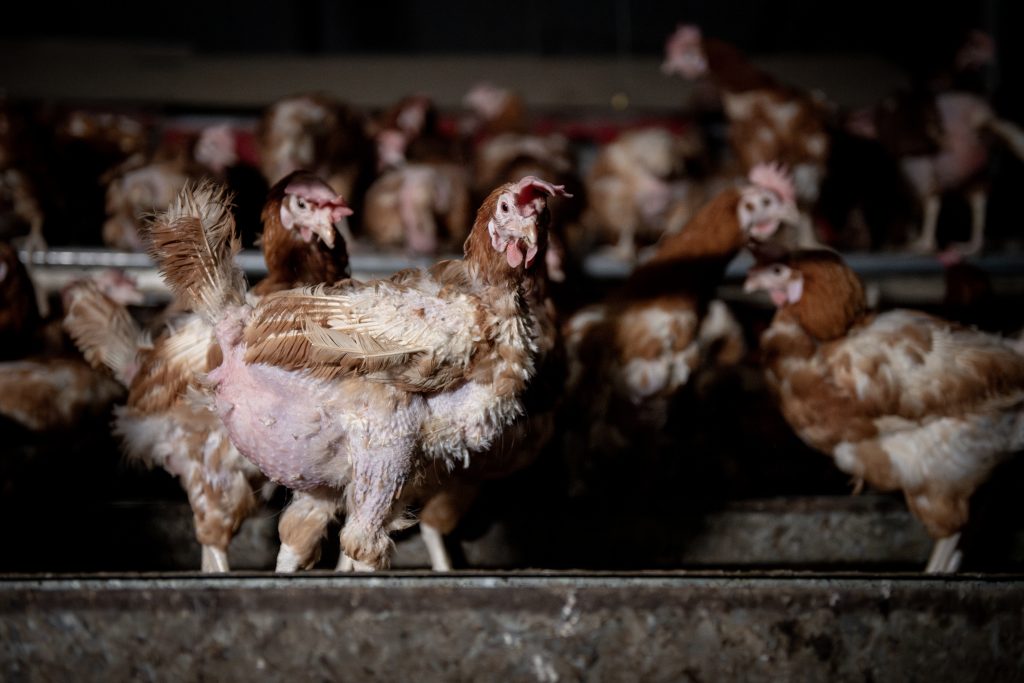
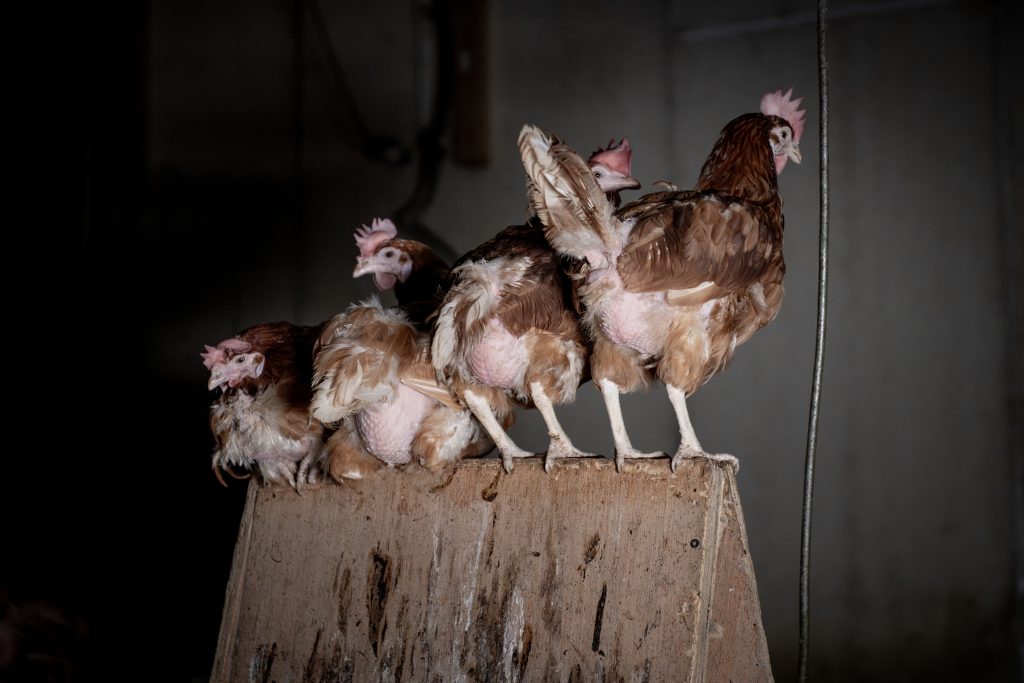
A recent YouGov survey commissioned by animal protection organisation Animal Justice Project, reveals just how little consumers know about where their eggs come from.
Free-range eggs may feel like a no brainer for conscientious shoppers because the packaging implies hens have access to the outdoors and a better quality of life. Sadly, free-range eggs aren’t all they are cracked up to be. This YouGov survey demonstrates that British consumers remain uniformed about egg farming methods and practices, and sheds light on some disturbing facts that the industry is keeping well hidden.
The Results In a survey of 2,305 GB adults, 66% purchased eggs regularly (every 2-3 days to every two weeks) and the majority (59%) said animal welfare and free-range was important to them when purchasing eggs.
Most respondents (64%) thought that free-range hens have daily access to the outdoors and over half of those surveyed (61%) didn’t know what age free-range hens are killed in the egg industry. On the contrary, Animal Justice Project’s most recent investigation revealed hens being kept inside for up to four days on three separate farms, despite being certified as free-range. Whilst a previous investigation in 2023 revealed free-range hens being viciously caught and slaughtered at just 18 months old – a common industry practice in commercial farms.
Unsurprisingly, most respondents (57%) said that the killing of male chickens within 24 hours of hatching was unacceptable and almost all vegetarians surveyed (80%) agreed.
Hidden secrets of the egg industry In the UK there are 39 million commercial laying hens being reared on free-range, organic and enriched cage farms. But what about the hens that produce the eggs, what kind of life do they live and what does free-range really mean?
All male chicks in the egg industry are killed within 24 hours of being born, this is a disturbingly cruel practice which happens regardless of whether the birds are destined for caged, barn, free-range or organic farms. It’s not surprising that this is a practice the industry wants to keep under wraps.
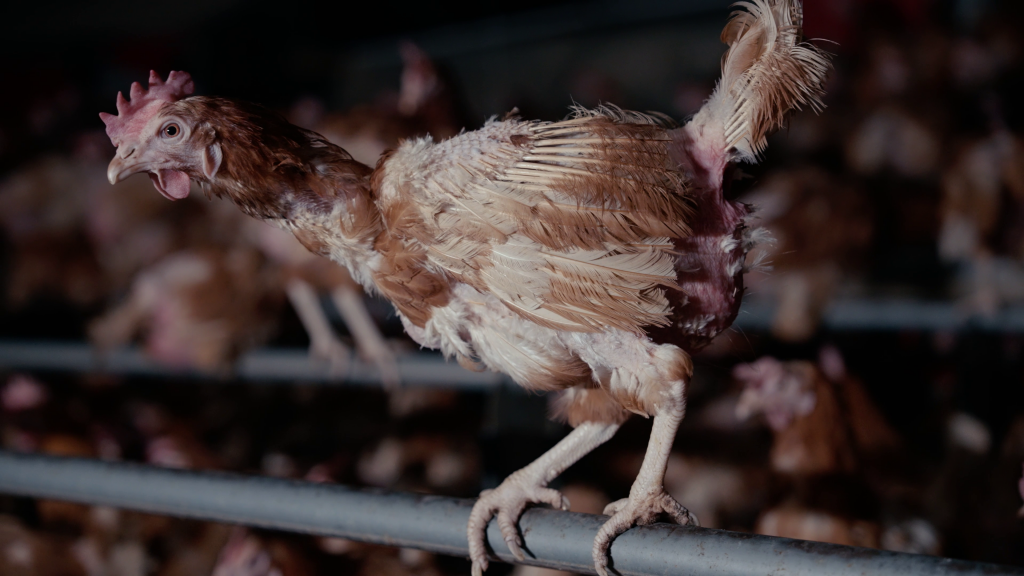
Most chicks (apart from organic birds) are debeaked. Debeaking is a painful procedure which removes around a third of a bird’s beak, without anaesthetic, and is intended to reduce feather pecking. Feather pecking can lead to feather loss, exposed and sore patches of skin and, in some cases, cannibalism. Stress, boredom and lack of space, mean that feather pecking is abundant on egg farms.
Cage-free hens, regardless of whether they are kept in barns or free-range farms, don’t fare much better. Egg-laying hens are crammed into sheds with up to 16,000 other birds, with an average of nine hens packed in per square metre – that’s the equivalent of 14 adults sharing a one-bedroom flat.
For eggs to be labelled ‘free-range’, birds must have continuous daytime access to outdoors. Although outdoor space is accessible, due to the sheer number of birds inside, they are often physically unable to reach the exit or are prevented by more dominant birds.
Animal Justice Project’s countless investigations into caged and free-range egg-laying farms have revealed birds dying, dead and decaying. Their recent investigation exposed these issues in ‘high welfare’ RSPCA Assured farms supplying major supermarkets like Sainsbury’s and Aldi, raising serious questions about the reliability of welfare labels.
Once their egg production slows down, egg-laying hens are deemed unprofitable and sent to slaughter at a mere 18 months old.
Before death, birds must first be caught and transported to the slaughterhouse. Catching teams are employed by farmers to catch, transport and slaughter hens, in a process known as ‘depopulation’.
Animal Justice Project’s RSPCA Chicken catching investigation was a UK-first exposé of this disturbing practice. Their undercover footage showed birds repeatedly kicked and trodden on by workers, as well as being violently thrown into shed walls.
This YouGov poll shows us that British consumers think animal welfare is important when purchasing eggs, that the public think free-range hens have access to outdoors and the killing of male chicks at birth is unacceptable.
Claire Palmer, Founder and Director of Animal Justice Project, explains the importance of these findings:
“This survey reveals just how little the public understand about how eggs are produced.
Laying hens are tragically exploited as ‘egg machines’ within the egg industry, enduring immense suffering. Hens endure terrible conditions – crowded spaces, filth, mites, noise, panic and abuse. Hens are social, intelligent and sensitive animals who don’t deserve to suffer like this. It is essential that consumers see the grim reality of what they’re funding when they buy animal products. When animals are exploited for their ‘products’, their wellbeing will always come last, that’s why we implore consumers to consider adopting a plant-based diet.”
The suffering that egg-laying hens are forced to endure is endless, from birth to death their life is full of cruelty. Despite what the convincing marketing campaigns say, birds are being kept in horrific conditions and suffering is at the heart of the egg industry. Birds endure a miserable existence and are slaughtered at a young age, all for the sake of food. The only way to protect hens is to stop eating eggs and go vegan.
Illustrator Lucy Deaner has been picked to create new meadow flower-themed packaging for Scottish beauty company, Seilich. Lucy Deaner comes from Muckhart near Kinross in Scotland both her mother and grandmother were florists, and she feels that could be where her love of flowers comes from. She now lives and works in Richmond, London. Although […]
Angela Terry, CEO of One Home and leading environmental scientist lists her top five budget and eco-friendly ideas for entertaining kids during the holidays. (Thursday 27 June, 2024) With the school holidays looming large on the horizon across England and Wales, it’s no surprise that many parents and caregivers will be worrying about the cost of […]
Leading global retail technology business and specialists in preventing food waste, Gander, has announced a major milestone in its journey towards reducing food waste and fostering sustainability within Australia’s grocery retail industry. Since making its debut in Australia in July 2023, the SaaS company has already launched with independently owned SPAR Chevron in the Gold […]
The year’s highest-scoring recyclable, reusable, refillable, “no plastic” and planet-positive beauty and wellness brands have been revealed at the 4th annual ECO Awards and the winners include: BEST CONSUMER AWARENESS CAMPAIGN Winner (beauty) WELEDA “Save Earth’s Skin” Campaign to raise awareness of the crucial impact soil health has on our planet, quality of food and […]
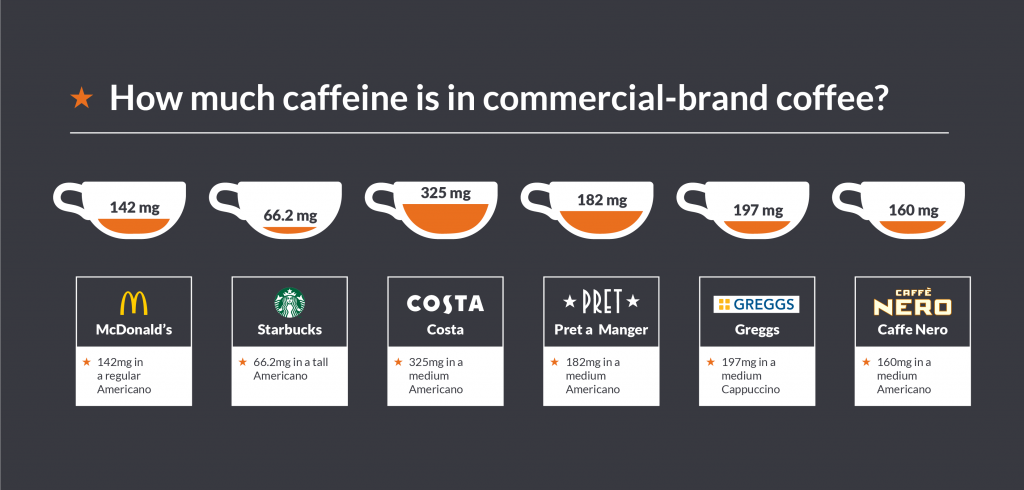
Home brewed coffee contains between 80-100 mg of caffeine per 240ml cup while commercial coffee can contain up to 325 mg in a medium cup.
Costa coffee contains five times as much caffeine as Starbucks coffee and three times as much as homemade coffee.
New analysis conducted by Expert Reviews has discovered significantly higher caffeine levels in chain coffee shops, compared to home brewed coffee.
Caffeine data from coffee chains such as Starbucks, McDonald’s and Pret a Manger show their standard brewed coffees range from 66-325 mg caffeine in a medium/regular size. This range is notably higher than a typical 240 ml cup of home-brewed coffee, which averages 80-100 mg of caffeine.
Beverages
Caffeine content
Brewed coffee(240ml cup)
80-100 mg
Espresso(shot)
~65 mg
Cold brew(240 ml)
~100 mg
Instant coffee(240ml cup)
60-80 mg
Decaffeinated coffee(240ml cup)
~2 mg
Costa(medium Americano)
325 mg
Greggs (medium Cappucino)
197 mg
Pret a Manger(medium Americano)
182 mg
Caffé Nero (regular Americano)
160 mg
McDonald’s(regular Americano)
142 mg
Starbucks (tall Americano)
66.2 mg
The chain coffee shop that serves the Americano with the highest caffeine content is Costa, with a staggering 325 mg – a whopping 165% more than the coffee from Greggs.
A medium Cappucino from Greggs contains 197 mg of caffeine, making it the chain that sells the second most caffeinated coffee. Pret a Manger has less of a caffeine kick and stands in third place with 182 mg for a regular Americano.
Health experts recommend limiting caffeine to 400 mg per day for most adults – 200mg for pregnant individuals. This means that if you’re buying more than 2 cups of commercial coffee per day, you will likely be exceeding the recommended caffeine limit. For reference the daily coffee consumption in the UK has reached 98 million cups.
The increased caffeine levels found in chain coffee shops are likely due to the specific roasting and brewing processes used by the big coffee companies. Darker roasts, finer grinds, and longer brew times can all extract more of the natural caffeine from the coffee beans.
For most people, a few cups of home-brewed coffee isn’t a major health concern. But if you’re drinking multiple cafe coffees daily, the caffeine can start adding up quickly. Excessive caffeine consumption can cause side effects like insomnia, anxiety, rapid heartbeat and more.
While coffee can be part of a healthy diet, it pays to watch your caffeine intake, especially from handcrafted coffeehouse and restaurant brews. Making coffee at home gives you more control over just how much of a caffeine kick you’re getting.
Illustrator Lucy Deaner has been picked to create new meadow flower-themed packaging for Scottish beauty company, Seilich. Lucy Deaner comes from Muckhart near Kinross in Scotland both her mother and grandmother were florists, and she feels that could be where her love of flowers comes from. She now lives and works in Richmond, London. Although […]
Angela Terry, CEO of One Home and leading environmental scientist lists her top five budget and eco-friendly ideas for entertaining kids during the holidays. (Thursday 27 June, 2024) With the school holidays looming large on the horizon across England and Wales, it’s no surprise that many parents and caregivers will be worrying about the cost of […]
Leading global retail technology business and specialists in preventing food waste, Gander, has announced a major milestone in its journey towards reducing food waste and fostering sustainability within Australia’s grocery retail industry. Since making its debut in Australia in July 2023, the SaaS company has already launched with independently owned SPAR Chevron in the Gold […]
The year’s highest-scoring recyclable, reusable, refillable, “no plastic” and planet-positive beauty and wellness brands have been revealed at the 4th annual ECO Awards and the winners include: BEST CONSUMER AWARENESS CAMPAIGN Winner (beauty) WELEDA “Save Earth’s Skin” Campaign to raise awareness of the crucial impact soil health has on our planet, quality of food and […]
With electricity prices reduced from 1st April, EV drivers will be able to charge their cars for less says Ohme, the UK’s largest dynamic smart charging company.
As the Standard Variable Tariff drops to 24.5p/kWh on 1st April, the lowest price in two years, drivers of electric vehicles will be able to enjoy greater savings when charging at home.
However, while that will be welcome news for EV drivers keen to reduce their charging costs, Ohme is encouraging those same drivers to make even bigger savings by switching to a smart EV tariff.
“As more people are trying to lower their household bills, this reduction in the price of electricity will be welcome news for drivers of EVs,” said David Watson, Ohme CEO. “However, they could easily lower those bills further by finding out if their electricity supplier offers a special tariff for EV drivers. If not, then they should consider switching to an energy provider that does to enjoy even bigger savings of running an EV.”
Ohme’s dynamic smart chargers can connect with the grid in real time, automatically adjusting to optimise the cost of charging and accessing all the times of the smartest, greenest and lowest cost energy tariffs.
Charging on the new Standard Variable Tariff in a typical EV for 6800 miles of driving (the UK annual average) would cost £417.00. On a smart EV tariff such as Intelligent Octopus Go* however, the same mileage would cost just £127.50. The same distance in a petrol car would cost more than £1100.
Ohme is the official charger provider for Mercedes-Benz and Hyundai in the UK, as well as Polestar and the Volkswagen Group in the UK and Ireland and customers on the Motability scheme, the largest fleet operator in the UK. Ohme has been named as Fast Track Company of the Year in the 2023 UK Green Business Awards as well as Best Chargepoint Manufacturer in the 2024 Irish EV awards
Illustrator Lucy Deaner has been picked to create new meadow flower-themed packaging for Scottish beauty company, Seilich. Lucy Deaner comes from Muckhart near Kinross in Scotland both her mother and grandmother were florists, and she feels that could be where her love of flowers comes from. She now lives and works in Richmond, London. Although […]
Angela Terry, CEO of One Home and leading environmental scientist lists her top five budget and eco-friendly ideas for entertaining kids during the holidays. (Thursday 27 June, 2024) With the school holidays looming large on the horizon across England and Wales, it’s no surprise that many parents and caregivers will be worrying about the cost of […]
Leading global retail technology business and specialists in preventing food waste, Gander, has announced a major milestone in its journey towards reducing food waste and fostering sustainability within Australia’s grocery retail industry. Since making its debut in Australia in July 2023, the SaaS company has already launched with independently owned SPAR Chevron in the Gold […]
The year’s highest-scoring recyclable, reusable, refillable, “no plastic” and planet-positive beauty and wellness brands have been revealed at the 4th annual ECO Awards and the winners include: BEST CONSUMER AWARENESS CAMPAIGN Winner (beauty) WELEDA “Save Earth’s Skin” Campaign to raise awareness of the crucial impact soil health has on our planet, quality of food and […]
Can you tell us why you begun Irregular Sleep Pattern
We saw a gap in the market for responsibly produced design-led bedding and sleepwear that takes a confident approach to maximalist pattern and colour paired with an attention to detail in fit, cut and tailoring. Our ambition for Irregular Sleep Pattern is to make fabulous and durable products in a responsible manner. Our mantra is: Serious about Design. Serious about Joy
Tell us about you..
We are a wife & husband team, Jolene Crawford & Mil Stricevic. I am a former arts tv producer, and Mil is a product designer who teaches at Glasgow School of Art and runs his own design consultancy. The year we turned 40 and 50 respectively (2017), I was ready for a change of career, and as we’d jokingly talked about starting this business on and off for a few years, it seemed like a good watershed moment to actually go for it.
Where are your clothes made and why?
Our bedding & sleepwear are tailored in organic cotton in India. When we started, we had ambitions to produce our garments in the UK, but having produced our sample collection in London, we knew we’d have to charge £600 for a pair of pyjamas if this was to be a financially viable business. We found our amazing SMETA regulated family business factory in India with the help of UKFT (UK Fashion & Textiles Association), and manufacturing there allows us to sell our products for a more realistic price point. The general population is very disconnected with how much clothes should cost, seeing cheap garments as a human right. We advocate for buy less buy better / wear what you already have / shop secondhand which is what we do.
The Irregular in our name is about the outsized bold nature of our prints, but it also refers to our values as a business. As well as the ‘responsible’ production ethos I outline below, we are a genderless brand, we have 8 size offerings extending to the equivalent of 4XL, we bank with an ethical bank, we only use people we know as models, we like to collaborate with artists (most recently for the launch film we made to celebrate our new collection. For us, the joy we have gained in building a community of like minded people as as important as actually selling stuff….
How does your brand support sustainability?
We’d never claim to support sustainability, as we are producing new products which is never going to be sustainable. We prefer to describe ourselves as a responsible brand. We don’t follow seasons, we only have a core collection of garments and refresh the prints when the time is right for us, we use organic cotton, we produce in small batches, we have physically designed the garment construction to be durable, we cut our fabric to minimise fabric waste, the small scraps we do produce are sent to a refugee charity in India who are repurposing them into small products (scarves available soon, and eye pillows in production). We also encourage responsible consumerism: we use custom sizing due to being a genderless brand, which necessitates measurement / thought before purchase. We don’t offer free returns as we think this encourages impulse buying (we do offer a free exchange).
Mil still works full time in two other jobs, while I do everything else on my own, but we have ambition when time allows to continue researching how we could do things better, for example using smarter ‘eco’ fabrics, because we understand that although organic cotton is better than regular cotton, it is still a problematic crop to produce.
Explain your slogan, “designed, not designer”
NB. this is a kind of sub slogan. Our main one is ‘bedding & sleepwear designed at the intersection of art + utility”
Mil says, “The term ‘designer’ has become misappropriated over the past few decades to the point where the term really only signifies a label ie. a brand name. ‘Designer’ frequently only means the application of a logo and this is not the same as something that has actually been ‘designed’. For us, an example of a designer garment is an entirely generic thing like a t-shirt, whose price point is elevated simply by the application of a brand label which is seen to represent good quality, with very little thought given to the actual design of the garment. We are more interested in good design – the construction of the garment – where the things that make it special are all the details in the design, rather than the appropriation of a fashionable ‘designer’ name”
In contrast, following the Charles Eames maxim, ’The details are not the details. They make the design’, Mil developed the unique cut of our sleepwear – lightly tailored with a nod to workwear – to be both practical and flattering, as well as built to last: twin needle stitching, french seams, generous patch pockets, reinforced joins, shawl collar, high waisted trousers….. these are no ordinary pyjamas!
As a result of all our design details, 90% of our customers choose to wear our sleepwear as daywear, so we describe it as being ’suitable for 24/7 fabulousness’!
Illustrator Lucy Deaner has been picked to create new meadow flower-themed packaging for Scottish beauty company, Seilich. Lucy Deaner comes from Muckhart near Kinross in Scotland both her mother and grandmother were florists, and she feels that could be where her love of flowers comes from. She now lives and works in Richmond, London. Although […]
Angela Terry, CEO of One Home and leading environmental scientist lists her top five budget and eco-friendly ideas for entertaining kids during the holidays. (Thursday 27 June, 2024) With the school holidays looming large on the horizon across England and Wales, it’s no surprise that many parents and caregivers will be worrying about the cost of […]
Leading global retail technology business and specialists in preventing food waste, Gander, has announced a major milestone in its journey towards reducing food waste and fostering sustainability within Australia’s grocery retail industry. Since making its debut in Australia in July 2023, the SaaS company has already launched with independently owned SPAR Chevron in the Gold […]
The year’s highest-scoring recyclable, reusable, refillable, “no plastic” and planet-positive beauty and wellness brands have been revealed at the 4th annual ECO Awards and the winners include: BEST CONSUMER AWARENESS CAMPAIGN Winner (beauty) WELEDA “Save Earth’s Skin” Campaign to raise awareness of the crucial impact soil health has on our planet, quality of food and […]