1708

Posted 3 years ago

– Site tackles UK challenge of ‘hard to recycle’ soft plastic –
– The site is the first of its kind that can process a mix of plastics, including film, into reusable materials – 

A pioneering new recycling facility is now open in Fife which will reprocess ‘hard-to-recycle’ soft plastics. It aims to develop a greater plastics recycling infrastructure here in the UK, to keep the material in a ‘closed loop’ and save it from being exported overseas. 

The site is co-owned by Morrisons and was constructed and will be operated by recycling plant specialists Yes Recycling. A number of other organisations including Nestlé UK & Ireland and Zero Waste Scotland, have also been involved in the development of this ground-breaking recycling plant. 
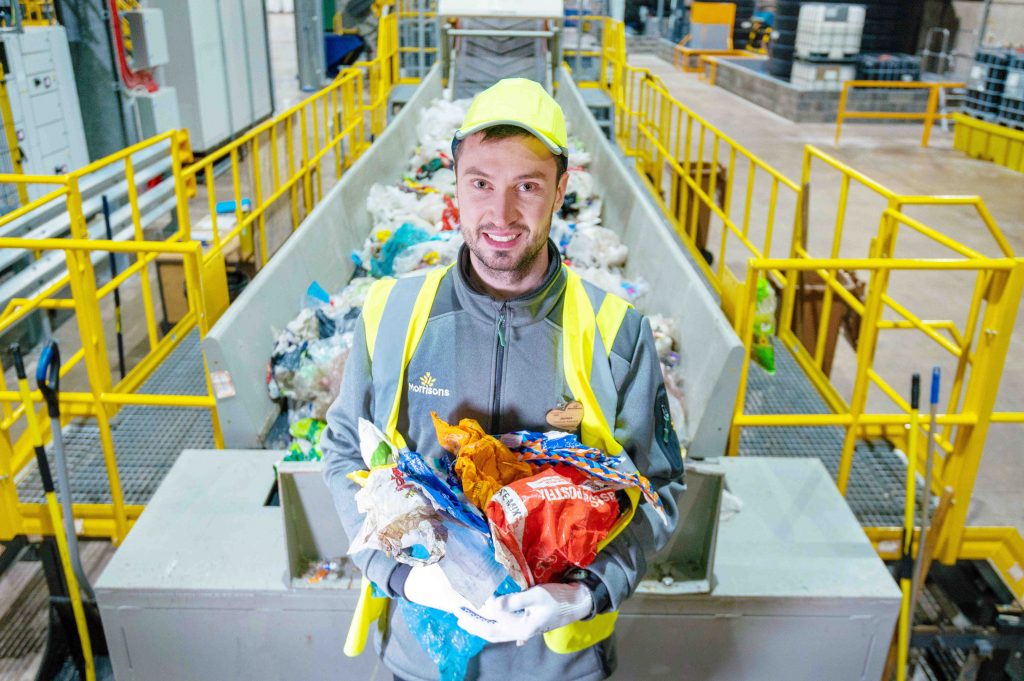
A pioneering new recycling facility that uses innovative technology developed over 7 years to process ‘hard-to-recycle’ soft plastics into building material is now open in Fife. The ground-breaking recycling plant is co-owned by Morrisons and will be operated by recycling plant specialists Yes Recycling.

The new recycling plant uses patented technology, developed over the last seven years. It will turn hard-to-recycle flexible food packaging into plastic flakes, pellets and new Ecosheet* which can be used widely, for example in the construction industry and in the agriculture industry. At full capacity, the site will recycle 15,000 tonnes of post-consumer plastic packaging a year. 

The hard-to-recycle soft plastic – including chocolate wrappers, crisp packets and food film – will be sent to the site from Morrisons distribution sites and stores**, and by Cireco Scotland who operate Fife Council’s household kerbside collection service and who also separate out the plastics ready for recycling. Fife is currently one of a limited number of local councils who collect and segregate hard-to-recycle plastic from its customer collections and send it to a recycling facility. 

Unlike ‘high grade’ plastics – which are more valuable and which have been harvested for many years – this ‘low grade’ soft plastic has not been recycled widely due to limitations of technology to recycle this material into commercially viable products. So it has typically been incinerated, ended up in landfill, or has even been exported overseas – often to countries whose infrastructure cannot accommodate it. 

The new site is a major step forward for the British recycling industry – as governments around the world push for a ‘green industrial revolution’. The facility will create around 60 new jobs. The Government has mandated that by 2027, soft plastic film and flexibles need to be collected from all households through kerbside recycling collections, by all councils in the UK. On current projections the UK would need one million tonnes of plastic packaging recycling capacity*** by then to hit these government targets. 

Omer Kutluoglu, Co-owner of Yes Recycling, said: “The UK is in desperate need of more plastic recycling capacity and, in particular, for the so-called ‘hard-to-recycle’ plastic waste such as flexible food packaging. Our new ‘next-generation’ recycling plant, which we’ve developed over the last seven years, is designed to tackle exactly these materials. It is a blueprint for the future and will help to kick-start the UK’s plastics recycling industry. It will mean we can keep plastic in our own country’s ‘circular economy’ and out of our seas and oceans.” 

Jamie Winter, Procurement Director at Morrisons, said: “We’ve done a significant amount of work to reduce our plastic use and now we want to help build a UK infrastructure to recycle the plastic that we may still need to use. By recycling these problematic plastics here in the UK we can give them a new life.” 

David Gunn, Zero Waste Scotland’s Recycling Improvement Fund Manager, said: “Zero Waste Scotland has been supporting local authorities through the Recycling Improvement Fund, which helps councils to enhance and invest in their recycling and reuse services. 

“It’s great to see Fife Council using this support to enable householders to recycle soft plastic by upgrading CIRECO’s material recycling facility. This will significantly enhance the local authority’s ability to deal with ‘hard-to-recycle’ plastics that would otherwise be exported overseas. 

“Instead, the separated soft plastics are now supplied to Yes Recycling for processing into Ecosheet, transforming what would have been waste into a highly useful and sustainable product – a fantastic example of a circular economy at work.” 

Sokhna Gueye, Head of Packaging at Nestlé UK & Ireland, said: “It is really exciting to see Yes Recycling open its doors in Fife. We made a pre-investment of £1.65million into the facility as at Nestlé we are working hard towards our vision that none of our packaging, including plastics, ends up in landfill or as litter. So, it is fantastic to see our packaging such as KitKat wrappers or Purina pouches given a second life, thus contributing to building a circular economy for plastics.” 
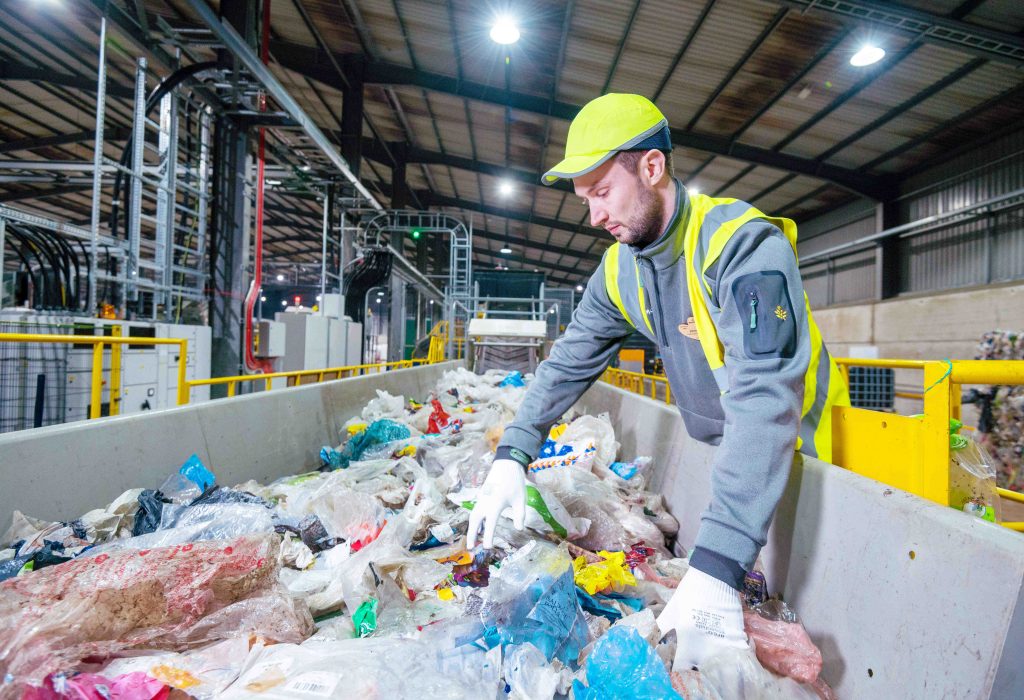
The site will process soft plastics from Morrisons distribution sites and stores and Cireco Scotland who operate Fife Council’s household kerbside collection service. Hard-to-recycle soft plastic – including chocolate wrappers, crisp packets and food film – has not previously been recycled widely due to limitations of technology to recycle this material into commercially viable products.

The new recycling plant takes low grade plastics including sweet wrappers, crisp packets, salad bags, and non PET food film. When these materials enter the site, all of the plastic material is washed and sorted. It is then broken down and turned into flakes and pellets which can be used to make new plastic products in a ‘closed loop’. Other pellets are compressed into Ecosheets which can be recycled again at the end of their life. 

1433

Posted 3 years ago

“Leaving both people and places better than how they were found

Primal Gathering (www.primalgathering.co) is an environmentally, socially, and psychologically gathering and regenerative culture design consultancy with a mission to restore people, forests, and ecosystems all over the world.

Launching their first gathering in the UK in partnership with Medicine Festival, the festival’s guest speakers and practitioners include BAFTA award-winning documentary filmmaker Bruce Parry and BBC Woman’s Hour’s ‘Powerhouse of climate justice’ Farhana Yamin.
It is Primal Gathering’s belief that the path to changing the world comes from our capacity to change our individual behaviours, which comes with more ease when done with the support of practical tools and community.

Primal Gathering supports participants from thinking about making a change, to taking collective action and inspiring real, lasting and visible impact on the land that we inhabit.

In this year’s edition we will delve into the principles of mushroom inoculation, tree planting, foraging, beekeeping and creating with natural materials. Woven together with myth, folklore and druidry from the British isles, accompanied by soundscapes from across the world.

The History: In response to devastating Portuguese wildfires in 2017, Primal Gathering began hosting an annual gathering seeking to address two critical problems: a lack of awareness of tools to support psychosocial needs/wellbeing and regenerative restoration, and landowners’ challenges of being under-resourced.  Since its inception in 2019, Primal Gathering has naturally built herb gardens, raised beds, planted thousands of fruit and vegetables, and over 4,000 trees.

Intergenerationality: Intentionally an intergenerationally, inclusive and sober environment wherein kids as young as four accompanied by their families, senior citizens as old as seventy, as well as people working in a diversity of industries and from various cultural and socioeconomic backgrounds, are brought together by their desire to embody the values and virtues they wish to see in the world.


The Venue
– 42 Acres: 42 Acres is a regenerative, and hyper-local establishment that was started by siblings Seth and Laura Tabatznik as a home for personal, social and environment change after having been deeply inspired by a number of personal retreats and workshops in their lives. Both Seth and Laura are strong advocates that outer change in the world starts with the self, or to quote Gandhi “Be the change that you wish to see in the world”.

Powered by 100% renewable energy, at it’s core 42 acres is the embodiment of regenerative practice, and actively creates spaces to support a reconnection with nature, the self and others. Home to wellbeing and nature based activities, biodynamic farming and an abundant nature reserve — it’s a no brainer why Primal Gathering is taking place there this year!

Debra Delglyn, Primal Participant: “If humankind is to survive more than 50 years into the future there are big changes to make; experimental temporary communities like Primal Gathering are nurturing the seeds of those changes.”

Nicole Bosky, Founder of Primal Gathering, says: “We also work with organisations to build cultures of care that foster empathy as a way of working, as we believe empathy is a catalyst towards climate action, and a happier and fulfilled workforce. Our intention is to lay the foundations of a new emerging regenerative educational model that is participatory, locally responsive, and globally collaborative to address some of the most pressing issues of our time..”

Evgenie Emetts, Eternal Forest Artist: “I feel there is quite a big gap between contemporary art and grass root initiatives that bring communities and artists together to celebrate while actually active and doing something. I hope we can do many many more experiences with art, and tree planting everywhere in the world”

Festival Information:

Booking & Accommodation: Tickets all include 3 meals a day, and all workshops and sessions. Tickets for the event range from £350.00 for Camping, up to £845 for a Private double en suite. Primal Gathering encourages car-sharing and use of public transport where possible. see website for details: www.primalgathering.co // tickets primalgathering.co/ticketsuk

Featuring: Bruce Parry, Sam Lee, Farhana Yamin, Zach Bush, Chris Park, Galahad Clarke, Choe Pierre, Christabel Reed, Carolyn Hillier, Paul Powlesland, Nigel Shaw, Carrie Tree, Facesoul, Orchestra of Samples + Koroleko Many More

Exploring: Mushroom Inoculation, Sea Buckthorn Tree Planting, Bee Keeping, Foraging & Making Concoctions, Smudgestick Crafting, Essential Oil Making, Creating New Narratives around Climate, Egalitarianism, Power & Equality, Druidry, Folklore, Mens & Womens Work and 5 Rhythms,.

Primal Gathering: Regenerative Retreat

42 Acres, Somerset

21 – 26 March, 2023

www.primalgathering.co

For announcements & updates follow the festival on Instagram and Facebook

1582

Posted 3 years ago

From an organic endorsement from Dr. Jane Goodall, to being the world’s first carbon positive beauty brand — Emma Lewisham is authentically smashing the beauty industry ceiling. We are super excited to have the chance to share our Interview with Emma!

  • Explain your story…

Having prioritised my work over my wellness for ten years, after losing my mother to cancer, I began looking closely at my health and making lifestyle changes. These lifestyle changes led me to discover that a skincare product I was using to combat hyperpigmentation wasn’t safe to continue using during pregnancy, and was in fact banned in many countries. This put me on the path to find a natural alternative and ultimately to discover the gap in the market for scientifically proven, natural and sustainable skincare. There seemed to be a need to compromise between having natural skincare, and skincare that was scientifically proven to work. I was passionate about proving that you didn’t need to compromise. I could see a way for things to be done differently, and this is what led me to create Emma Lewisham.

  • How did you initially begin the plans for the Emma Lewisham brand?

After significant research, I found that what I was looking for didn’t exist. There seemed to be a need to compromise between natural and scientifically proven products. I didn’t want to make this compromise and I didn’t believe other women should have to either. I was determined to set a new benchmark in beauty, proving that 100% natural skincare could perform as well as, if not better than synthetic alternatives. I had also discovered the phenomenal waste produced by the beauty industry and was adamant that the products I created would be as sustainable as they are efficacious. So, this is how Emma Lewisham was born.

  • Can you explain your science and research background? 

I have always loved science and studied biography, chemistry and statistics throughout school and university.

  • What is your favourite achievement so far?

I’m most proud of the people in my team. I am lucky to be surrounded by people I believe to be leaders in their respective fields, and all share an underlying belief that businesses can be a force for good reformative change. I’m proud of our growth. When we started working on Emma Lewisham five years ago now, I’d never imagined that we would have accomplished such phenomenal growth in the three years we’ve been on the market – with our range being stocked in some of the most iconic retailers in New York, London, Italy, Australia and of course, Aotearoa New Zealand. Being personally endorsed by Dr Jane Goodall has also been a real business highlight and personal career highlight as she’s been an inspiration for me from a young age.

  • How is the beauty industry moving in New Zealand? Is it becoming more green?

I do believe New Zealand is progressing in the right direction. One of the biggest challenges that comes with being a pioneer is having to invest in research and development for a new way of doing things. For example, we had to develop our circular packaging from scratch as the few existing solutions available were patented by large multinational corporations. This required significant time and investment, however, these were non-negotiables for us. We believe having refillable packaging for all products should be business as usual. However, understanding how much of a barrier this poses to smaller brands wanting to become circular was a key reason we chose to share the IP for our circular packaging industry-wide. We hope that in doing so, it can fast-track the transition towards a circular and carbon-positive beauty industry.

  • Congratulations on launching with GOOP! What are your next expansion goals?

We will continue to focus on strengthening our direct-to-consumer growth globally and align this demand with a strategic approach to international stockist partnerships. Our stockist partnerships have always been underlined by the assurance that their values align with our own and that they are engaged with our circularity programme. While we have seen incredible growth over the past three years, we believe that slower, sustained growth with the right partners is always smarter than quick growth with a partner who could negatively impact our integrity as a brand.

  • Your move to be Carbon Positive last year was immense, why is this process so important for brands to uptake?

We believe that in order to play our part in mitigating the climate crisis, simply sustaining the world’s current state is not enough, we need to be actively helping to regenerate it. Our carbon-positive certification means that as a business we have gone beyond just neutralising our carbon emissions, instead positively offsetting them in order to have a positive environmental impact. In order to become carbon positive we measured our total emissions both at a business and product level, in order to understand and identify the areas we could make reductions. After reducing each product’s inherent emissions as much as possible, we then offset our remaining emissions by 125% through an independent certification agency, Toitu Envirocare, to become certified Climate Positive under their Climate Positive Programme.

What makes Emma Lewisham’s formulations stand out amongst an existing saturated beauty market?

I think part of the challenge is the assumption itself that nature and science don’t co-exist when in reality they’re an incredibly powerful partnering. I’m really passionate about educating our customers on this – when we design by science and deliver by nature we can achieve incredible things for the skin. The way that we formulate is fundamentally different. We first understand the complex cellular processes that are involved with our skin, create a blueprint for how we want to interact with the skin, and then find proven ingredients that deliver on this blueprint. The most powerful way to interact with the skin is by harnessing nature, therefore we only use natural ingredients, harnessing both bio-identical ingredients found within the skin as well as the specialised, scientifically proven natural plant extracts. These bioactive ingredients deliver a complex network of activity that works in harmony with the skin to trigger powerful cellular responses and deliver unparalleled results. This synergistic ingredient system is how we can deliver efficacy and tolerability in a formulation – we don’t need to compromise.

2176

Posted 3 years ago

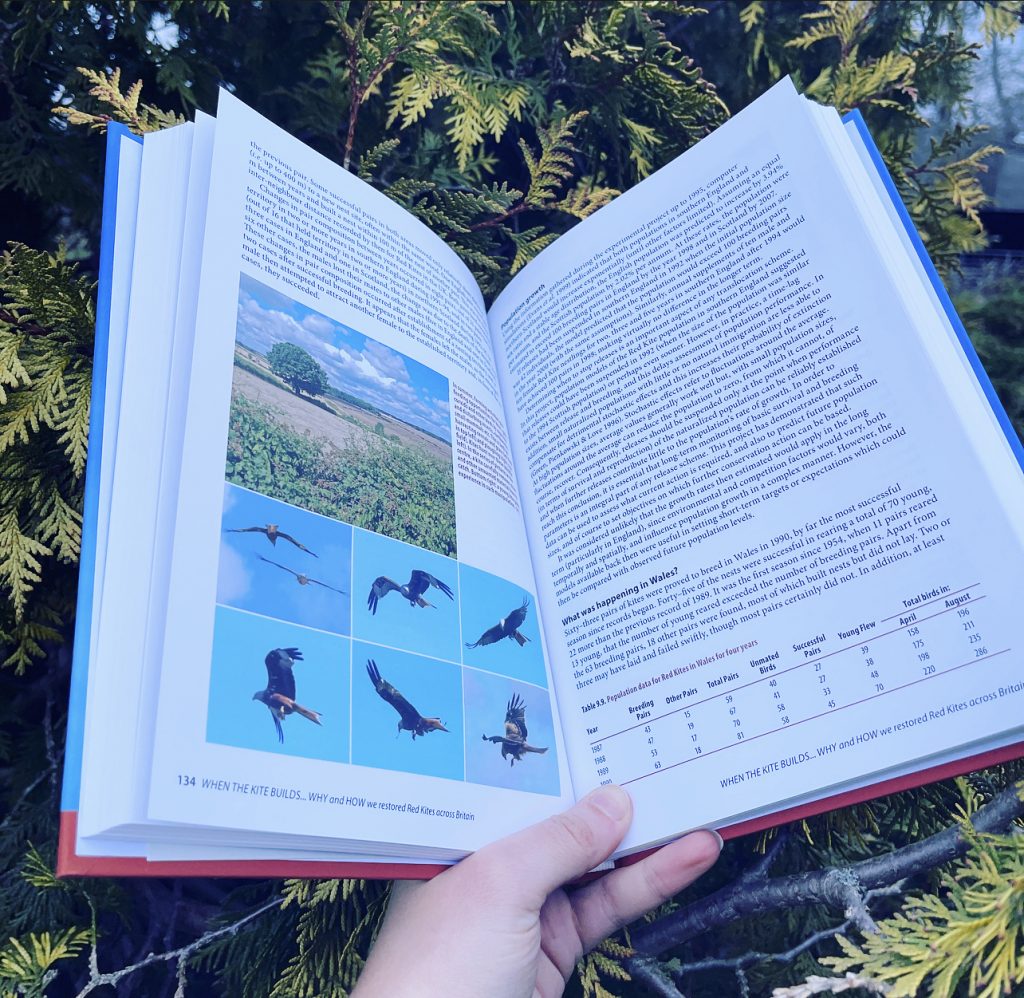
This book has a very close meaning to me, growing up around the UK countryside I have always been fascinated by those “big birds” in the sky. I am lucky that we have lived in such a rural location and been growing alongside these wild wings of the lands.

Growing up with my dad, he always taught me the names of different birds and helped me identify them by sound or looking at the shapes of their tails. I currently live on a farm in the heart of Suffolk and I am so pleased to have a neighbouring 6 red kites living here, we have even named one “Rusty Red” – he likes to stand his ground and battle to make this his home.

As you can see from this photo, he even takes a beating from the other birds! Babies were born here in 2022, nesting in a very high tree over the manor house, Rusty keeps them protected and hunts feeding the babies and girls surround him.

This wonderful book has been dedicated to the amazing team of people who have helped restore Red kites into the countryside of Britain. They have even been sighted in Ireland too! The history goes back to the middle ages where Red Kites were a common sighting across the UK, but unfortunately extermination then took place!

Reading this book so far; My heart is drawn to the care and attention this team took to rewild chicks into UK territory, the photos inside of them holding the little baby chicks knowing that possibly now these wonderful birds we see originated from this first little chick family. It is now estimated over 1800 pairs of Red Kites are breeding in the UK,

UK Overseas Territories Conservation Forum is very proud to be publishing the book describing the origins and implementation of the restoration of Red Kites, described by RSPB as “the biggest species success story in UK conservation history”.

The author of “When the Kite builds… Why and How we restored Red Kites across Britain” is Dr Mike Pienkowski, who was Head of Ornithology Branch and later Assistant Chief Scientist of the Nature Conservancy Council (UK Government’s then statutory advisor and agency) and then the first Director of the successor body, the Joint Nature Conservation Committee. 

The book is available at http://www.ukotcf.org.uk/kite-book/ – All proceeds of publication go to UKOTCF’s charitable conservation work.

1662

Posted 3 years ago

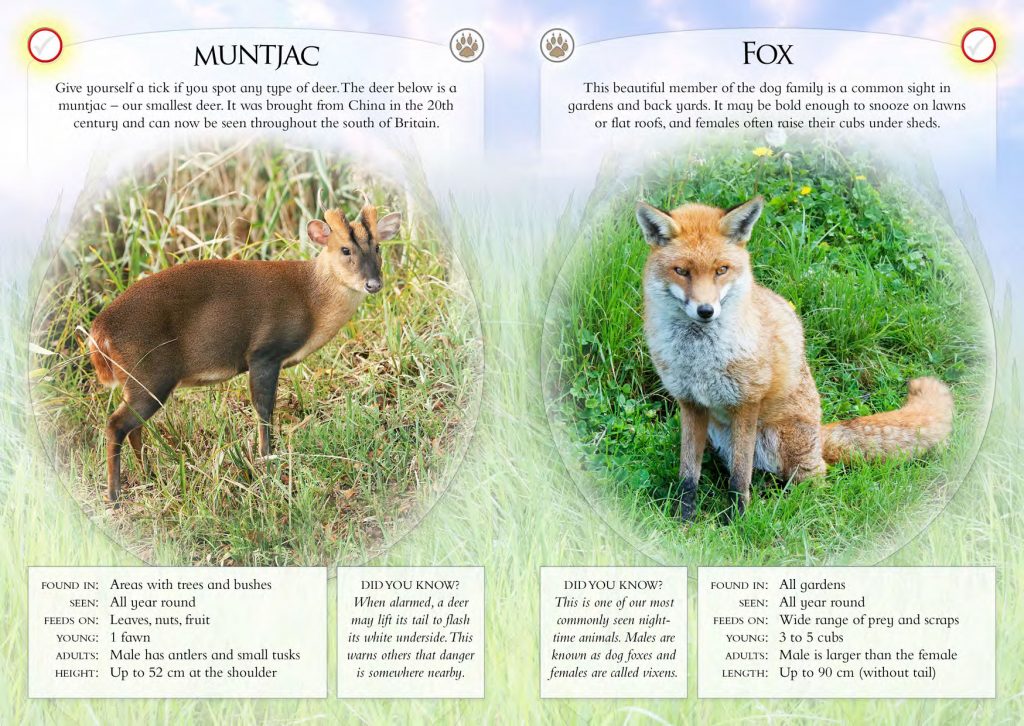
First books to be published in a new series of beautifully illustrated Nature Spotters guides from independent natural history publishing company Fine Feather Press.

What Can You Spot in the Garden? and What Can You Spot in the Woods? provide a window onto the world of nature and are perfect companions to any child looking for an adventure in their own back garden or local woods.

The link between time spent in nature and reduced stress levels is now firmly accepted and for children time outdoors provides additional opportunities for physical exercise. There’s also increasing evidence that taking part in activities in natural habitats helps children to develop creativity and imagination. It can also have a positive impact on their self-esteem and confidence.

From frogs to foxes and ladybirds to lavender, What Can You Spot in the Garden? features 160 species to spot and tick off. What Can You Spot in the Woods? has 190 species to spot and tick off.

The pocket-sized nature guides are packed with fascinating facts and stunning photos and are a perfect introduction for children aged three plus, and their families, to the incredible and often surprising wildlife living right on their doorstep.

  • Get to know the wonderful wildlife in your garden or local woods – What Can You Spot in the Garden? and What Can You Spot in the Woods feature a quiz at the start of every section and a certificate for finding 50 garden animals and plants
  • Brush up on your nature knowledge – the pages are packed with information on animals, birds and flowers, including life cycles, what they eat, the habitats in which they live and the best time to spot them.
  • Delightful spotter’s guides for the whole family – The books also reinforce key science and nature topics that are taught at school.
  • Conservation conscious – The books introduce children to the natural environment around them and encourages them to preserve the planet’s plants and wildlife.

Books full of stunning photography and illustrations that perfectly sums up the beauty and fragility of the natural world.

To purchase shop below!

Published by: Fine Feather Press / www.finefeatherpress.com

Authors: Andrea Pinnington & Caz Buckingham

Publication: January 16th 2023, No of Pages: 80, Paperback rrp: £6.99

1739

Posted 3 years ago

Q – Why offset with WSO?
A – We are the certified certifier. WSO group of companies has a proven track record of 30
years in sustainability certification. Serving 1500 companies, 5,000 products and 80 countries. WSO works closely with SLAB, Accredia, KAN and IAF to ensure our standards are correct for our Friend of the Sea and Friend of the Earth companies.
Q – What is the difference with Offsets and Credits?
A – Plastic credits stands for the right to produce or utilize that amount of Plastic, while the
Plastic offsets represent the defined weight offset of Plastic removed from our environment and Oceans. By choosing offsets you counterbalance the use of the plastic in your companies processes.
Q – What are plastic offsets?
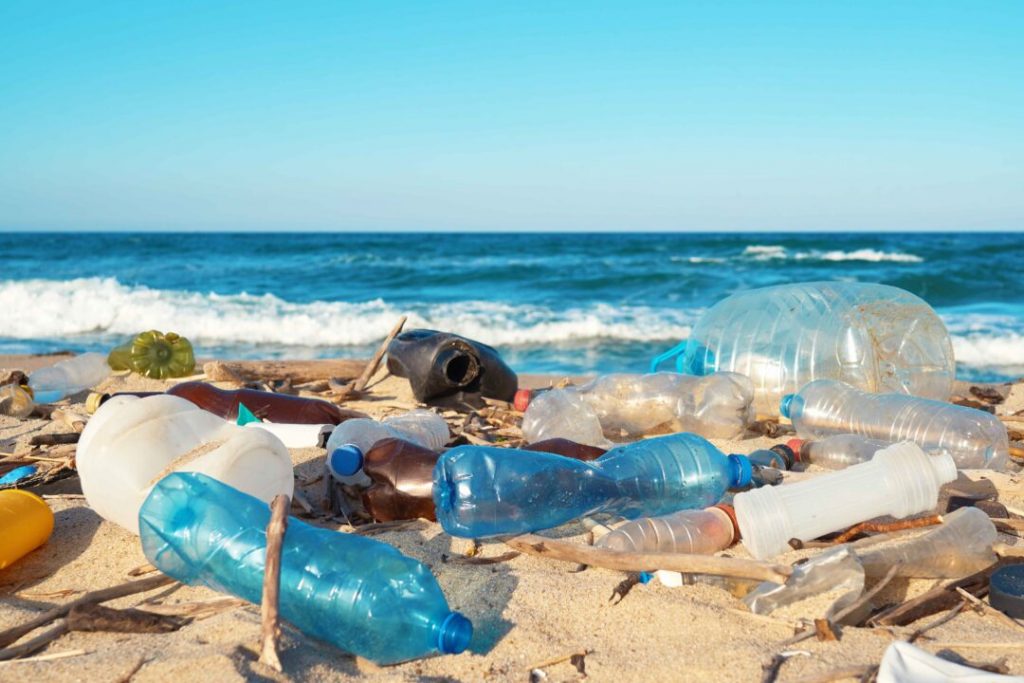
A – An effective way to protect our ocean and its marine life. Companies and Individuals who want to have a real impact can support an organization, that is combating plastic pollution, while intercepting a defined weight amount of plastic waste from the environment on their behalf.

Q – How will your contribution help?
A – Prevent Plastic Pollution. By offsetting with us you’re directly contributing to the recovery of certified ocean-bound plastic. Circular Economy WSO works closely with partners that go beyond the clean-up and are actively directing the waste they collect back into the circular economy. We also strive to ensure that we recover and find uses specifically for hard-to-recycle plastic waste such as creating alternative fuels. Which eliminates this plastic from the environment and reduces our demand on virgin fossil fuels.
Create Social Change
The money you invest in your offset is dispersed accordingly with a portion going directly to waste collectors that recover the plastic waste, helping create better livelihoods for some of the most marginalized communities in the world.

Q – Where does the money go?
A – 80.5% – Plastic Waste Collectors / 10.3% – Social Services / 9.2% – Logistics and Operations
Q – How much does the average consumer throw away a year?
A – The average consumer discards of 30kg of waste plastic a year. If you are waste
conscious, normally that number is reduced to 20kg. If you eat a lot of convenience foods,
bottled drinks and fast food you can be upwards of 60-100kg per year!

2624

Posted 3 years ago

Many people are concerned about climate change and energy usage and want to take action, but struggle with feeling helpless as just one person. What can be surprising to some is the power we have as individuals to make change. Approximately 70 percent of global greenhouse gas emissions can be indirectly attributed to households. What this means is that people have a lot of power to take action, right at home.

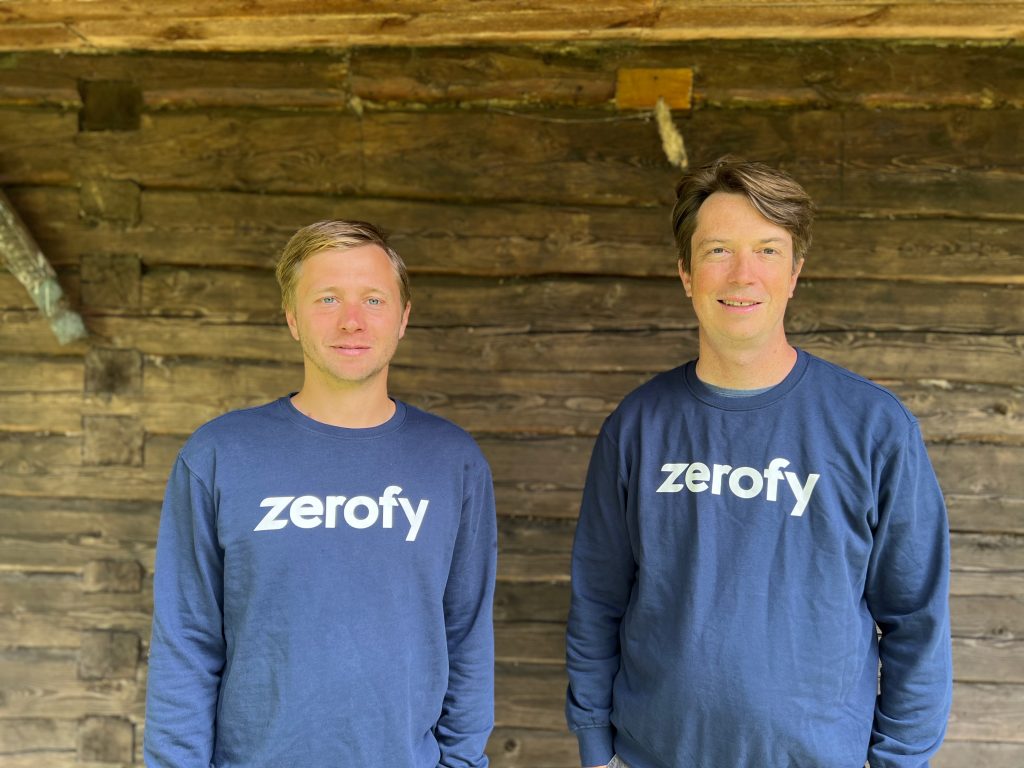
Zerofy Co-Founders Criss Uudam and Till Quack realized that when people were trying to figure out the carbon footprint of their household and make changes, they experienced friction. To help solve this problem, they launched Zerofy in 2022 to help households decarbonise, make a difference, and save money.

Zerofy Co-Founders Criss Uudam and Till Quack

How does the Zerofy app work?

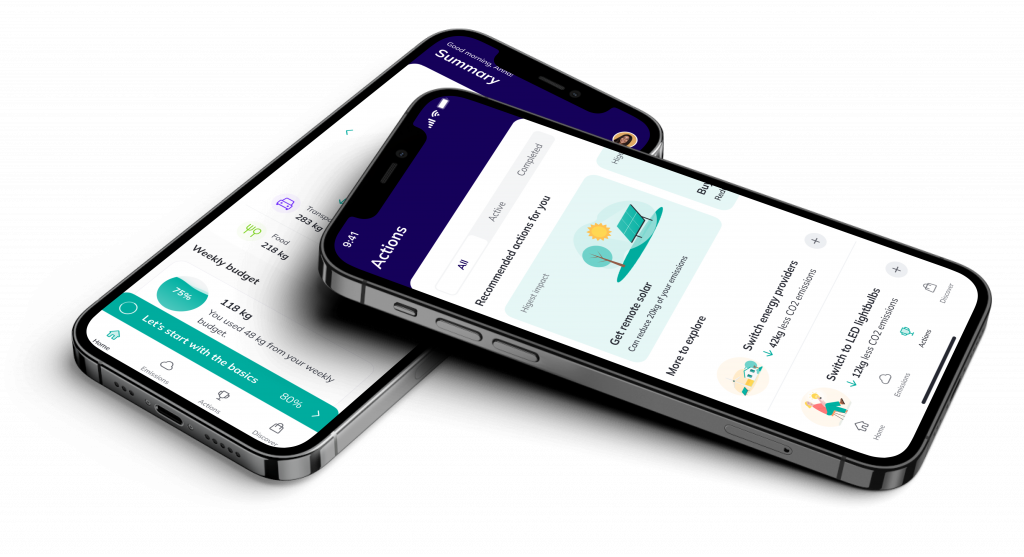
Zerofy is an app that automatically tracks your carbon footprint in real-time, and then makes recommendations for lowering it by switching to low-carbon energy and products.

  1. Sign up and enter your household characteristics, plus details about mobility, diet, home heating and energy. You can add a goal for when you would like your household to become zero-carbon. Connect smart home appliances and devices, plus credit cards, for even deeper insights.
  2. The app then automatically generates your household carbon emissions, in real-time.
  3. You’ll be given recommended actions you can take to reduce your emissions. Plus, learn through articles and guides, and access low-carbon products and services in the Discover tab.
  4. Habitually track emissions and see the impact of your actions on your household carbon footprint while working towards a zero-carbon life.

By using the app, you will be able to understand where your emissions come from, how to reduce them, and in the process, save energy and money.

Zerofy is different from other apps on the market because we provide a holistic picture of a household’s carbon emissions. Instead of just tracking one or two areas, we show your emissions across four main sources: heating and energy, mobility, goods and services, and food. We’re also set apart because we focus on measurable, additional climate actions on an individual level. Instead of selling carbon offsets, we empower users with granular insights into their emissions, and then give them tangible and actionable ways to work towards reducing them.

Produce solar energy without your own rooftop panels—and view live production & earnings!

Zerofy has a 67kW solar park in Estonia that anyone in the world can rent a solar panel in. We started Shared Solar because we wanted to help anyone who is interested in supporting solar energy participate in the market. This means that people who are renters can get involved in solar, as well as homeowners who don’t yet have the funds for their own panels. If you already have solar panels, but have exceeded your rooftop capacity, Shared Solar can help you produce more solar energy.

When you rent a panel, it stays in our Shared Solar park. The solar energy is fed into the grid in Estonia, making you a green energy producer who is contributing to a greener grid. Zerofy sells it at the market price, and after a 20% operating fee, sends the proceeds to you.

You can use the earnings as you wish, but some ideas are putting it towards your utility bill or adding it to your fund for your own solar panels. When electricity prices rise in Europe, so do your earnings from your panel. Unlike most offsetting projects, renting a Shared Solar panel has a measurable and additional impact.

You can view the electricity production, avoided CO2, and your earnings in real-time, right in the app! This is unique as most green utility plans or offsetting projects just send people yearly averages. With access to all of these powerful insights in the app, Zerofy Shared Solar renters get to be very involved and have a similar experience as those who have rooftop solar.

Zerofy is available in Europe in the iOS App Store, here. It will be available in the US in spring of 2023, and Shared Solar panels can be rented today from anywhere in the world.

1608

Posted 3 years ago

With UK energy prices set to rise yet again this April to an average of £3,000 per household, long term solutions to reduce energy bills are needed more than ever. 

Leading renewable energy authority The Eco Experts states that by installing solar panels, homeowners can reduce their bills by 54%, helping to ease the burden of future energy price increases. While the installation cost for the average three-bedroom UK home is £5,420, the savings to bills means that they pay themselves off in just 10 years

Additionally, 2022 saw the UK receive 9% more sunshine than average and was also the hottest year on record. It’s clear that the time for environmentally friendly ways of generating energy is now. 

And UK homeowners are reacting already. 2022 saw the largest yearly orders of solar panels – totalling 130,596 installations – since the UK Government removed the subsidies for them in 2015. As reported by The Eco Experts in August 2022, UK Google searches for ‘solar panels’ reached a peak popularity of 100 – the first time they’d ever done so.

panoramic – solar panel at sunset

For more insights on why 2023 is the year that solar panels are set to become more commonly installed and used by UK homeowners, The Eco Experts have just launched their new Solar Panel facts piece. Here are more of the key Solar Panel findings:

  • The cost of solar panels has dropped by 82% in the last decade
  • They work in all types of climate, not just in direct sunlight where they operate best
  • They have a tiny carbon footprint (14-73 grams of carbon dioxide equivalent per kilowatt-hour from manufacturing) that cancels out after 3 years of usage
  • Since 2021, solar energy has been the cheapest form of energy 
  • New solar panel technology is set to more than double panels’ efficiency rates
  • They’re low maintenance. We provide tips on how to efficiently look after your solar panels to reduce the cost of solar panel repair over time

The Eco Experts writer and researcher Josh Jackman stated:

“The global energy industry is gradually transitioning from dirty fossil fuels to clean renewables – and solar panel technology is at the forefront of this movement. As solar panels continue to improve while also getting cheaper – and as household bills rise to unprecedented levels – we’re confident that more homeowners and businesses will make the swap to cleaner energy. 

“You can cut your home’s energy bills by 54% and break even in 10 years, on average. If I had to recommend one eco-friendly improvement to make to your home, it’d be solar panels every time – the maths is just too good.

“And with the solar industry evolving at such a rapid rate, we can expect innovations to make domestic solar panels even cheaper and more efficient in the near future.”

Here are Josh’s five pieces of advice for homeowners that are interested to install solar panels onto their homes:

  1. Use our solar panel calculator to get an idea of how many solar panels you should get, how much it’d cost, and when you’ll break even.
  2. Check your roof. See if there’s enough space (about two square metres per solar panel), and check which direction it faces. South, east, and west are fine; north isn’t.
  3. Compare at least three solar panel quotes to get the best deal.
  4. Decide which company’s Smart Export Guarantee tariff to sign up to, so you can sell your excess solar energy. British Gas currently offers the best rate, unless you already get your electricity from Octopus.
  5. Strongly consider not getting a solar battery. You’ll use 30% more of your solar energy, but the upfront cost means it’ll delay your break-even point by nine years.

1551

Posted 3 years ago

Report by community interest company Action Net Zero identifies key opportunities for businesses in the South West to embrace cleaner energy to reduce consumption and costs – however they need support to reach their targets

The report ‘Driving the Energy Agenda’ follows a roundtable discussion between West of England Metro Mayor Dan Norris and ten energy decarbonisation experts to look at the opportunities and challenges to move towards net zero.

Organised and hosted by Action Net Zero, the event was sponsored by global vacuum and abatement innovators, Edwards – a company employing over 800 people in the South West which is committed to reducing its impact on the environment. 

The round table panel acknowledged the rising energy costs associated with the cost-of-living crisis and the ongoing war in Ukraine, as well as a commitment by many businesses to meet environmental targets, has resulted in a focus on regaining control of energy supplies and a move towards lasting sustainable change.

Renewable electricity generation in the West of England Combined Authority region has more than doubled since 2014, with solar devices (photovoltaics) currently providing 44% of locally-generated renewables and onshore wind providing 20%. 

However, as the report points out, this still only constitutes 11% of the region’s total electricity consumption. 

Ensuring the National Grid is robust enough to manage a switch to renewable energy as soon as possible is critical to moving forward in any meaningful way, as “the existing grid infrastructure simply isn’t fit to manage the demand and support a distributed supply of renewable energy.” 

This means that much of the energy currently being generated by businesses’ solar panels is being wasted – in other words it cannot yet be fed back into the Grid, perhaps earning extra revenue for any company which invests in solar panels.

Dan Norris says the change is essential and believes there is a wealth of opportunity for the region. 

“The UK is one of the biggest CO2 emitters in the history of the planet, yet we only make up 0.5% of the land area. We need to set the standard for clean, low-emission development.” 

South West business is, he says “way ahead of politicians when it comes to the environment,” and “probably the most astute” of anywhere in the UK. 

He believes it’s vital to put pressure on local and national government to ensure policies, funding and regulations align. Dan is confident the region is in a good position to apply this pressure.

Neil Mehta, General Manager of the event’s sponsors, Edwards (based in Clevedon), agrees. “Moving away from fossil fuels has never been so important, from both a business and regional resilience perspective. If we now think about energy as a key driver for success in a business, reducing our consumption has to be a priority.” 

Education is also seen as a key component in creating opportunity for the region and addressing a skills shortage in the renewable sector. The report calls for the education sector in the region to train the engineers of tomorrow. 

For example, many larger businesses are currently unable to make use of the Apprenticeship Levy, which would normally allow them to use money from their digital fund to pay for apprentices. 

If this barrier was removed it would be “a great way to support upskilling as well as to bring more trained professionals into key sectors to combat the climate crisis[1] .” 

Joanne Philpott, who is Vice Principal for Curriculum Delivery and Technical Innovation at Weston College, believes providing additional training to those currently in the workforce by “encouraging transitional skills, such as EV charging skills for electricians,” is another opportunity to move closer to sustainable goals. 

She says: “This would allow people with existing skills to build a career in a more sustainable industry.”

She suggests that increasing the availability of courses will help meet the demand to provide the skills required to bring us closer to a net zero future.

Other key initiatives suggested by the report include: 

●      Increasing the number of charging options for HGVs. 

●      Investing in key areas of public transport to make it a more attractive option for consumers, while also increasing awareness of public transport options that are currently under-utilised.

●      Disentangling legal complexity around the installation of renewable systems.

●      Integrating renewable energy supply into all new homes as standard while also allowing greater use of roof space for solar panels. 

Creating community energy initiatives in which businesses and homeowners can share locally-generated electricity is also discussed and it points to the wider value of this kind of initiative. An example might be a sports club having chargers installed in their car park which can be used by members of the local community.

Under this model, surplus cash is redistributed as grants to support community action on carbon reduction and fuel poverty, helping to reduce bills and redirect profits back into the community.

“Innovation in technology and finance has opened up new opportunities,” said Pam Barbato, founder of Action Net Zero, “and it’s a very exciting time to be addressing these issues. The bottom line is that we need to act and we need to act now. 

“This report is a valuable contribution towards being able to do this in a meaningful way because it crystalises clear, practical and achievable pathways to a greener and more efficient future for business and community in a broader way. 

“We’re keen to support all businesses in the South West, but especially larger businesses such as manufacturing companies that use a lot of energy, to help them reduce their energy consumption, save costs and reach sustainability goals. 

“With only 11% of energy provision across the region being generated by renewables, there are many opportunities, particularly for owner operator sites,  to positively impact their business’s strategic goals and improve their energy resilience.”

To see the report in detail visit https://www.actionnetzero.org/guides-and-tools/round-table-report/

1553

Posted 3 years ago

Wayne Peters is founder of Sail Electric and the North Devon Marine Project as well as an ocean advocate for the Ocean Conservation Trust and ambassador for environmental program The Green Blue.

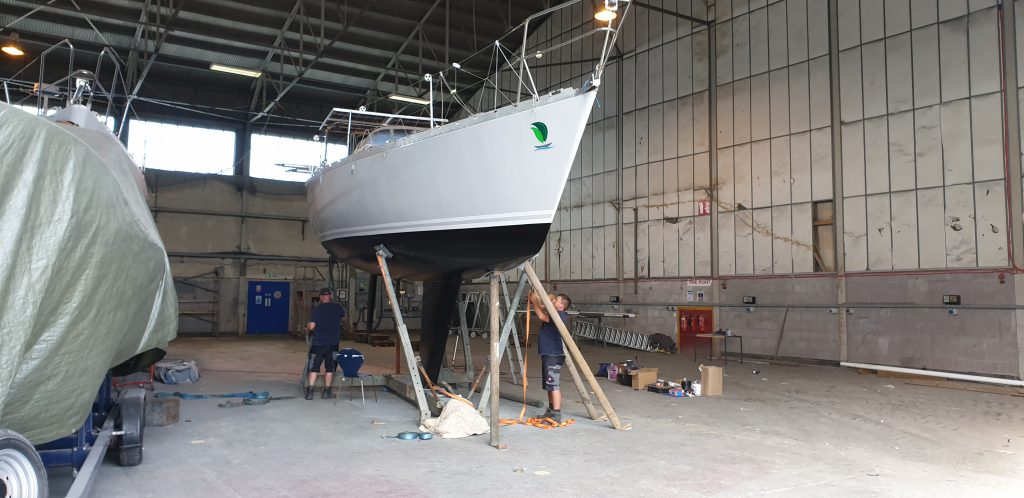
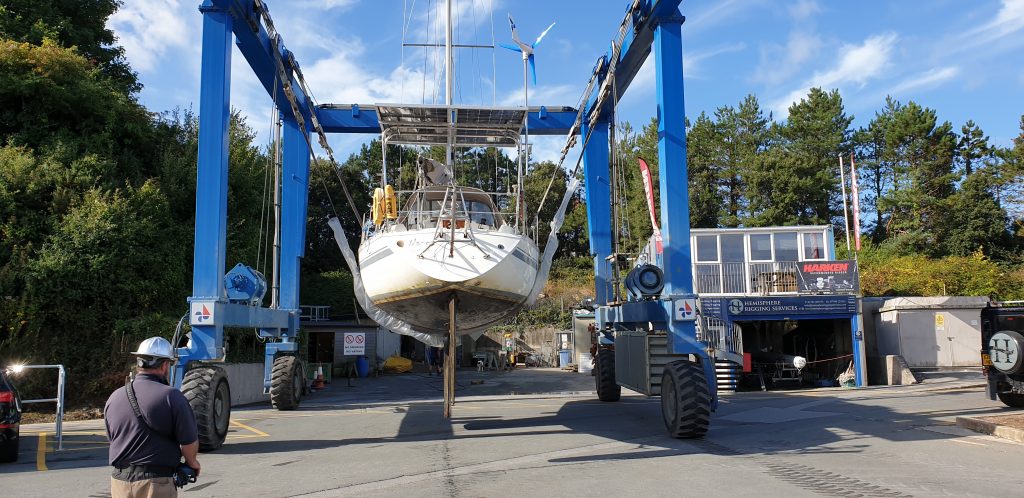
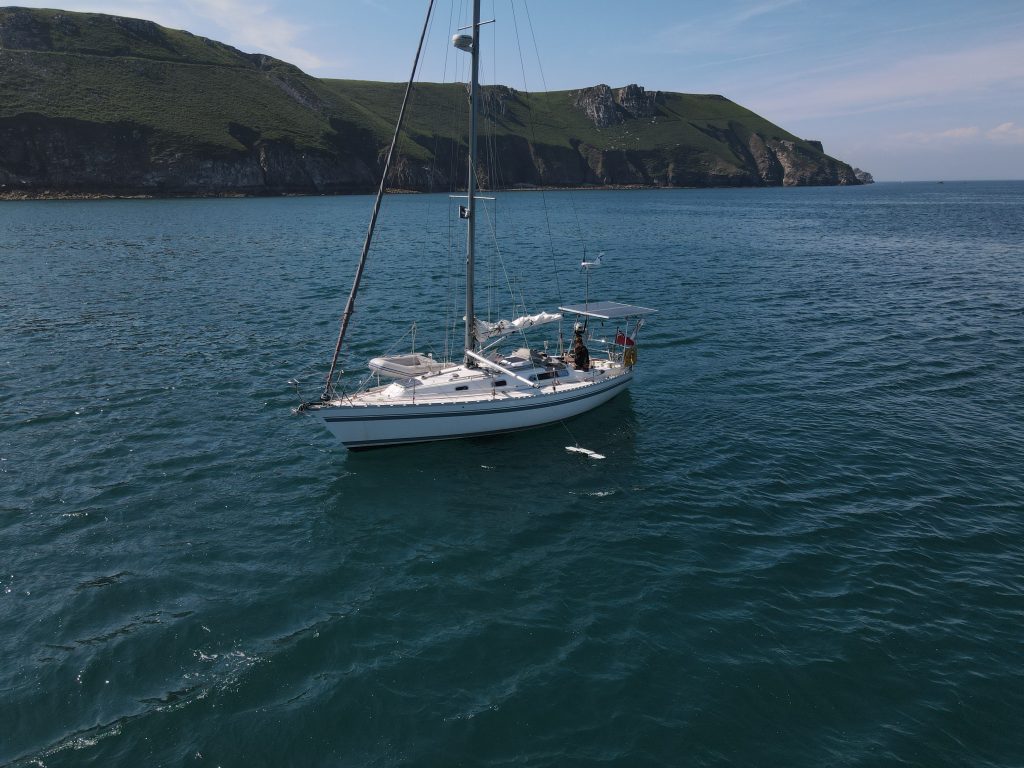
Working side by side, Sail Electric deliver sustainable sailing solutions using proven green tech, and the NDMP serves to raise awareness and educate about our fragile ocean environment that needs protection. Sail Electric recently modernised the North Devon Marine Project’s R&D vessel Nazca and she sails with a leave no trace policy, powered only by nature, capturing scientific and regeneration data. She is a shining example of what is possible with a focus on reaching net zero in the leisure marine sector. EcoNews talked with Wayne to find out some more

How did the North Devon Marine Project come about – was there a lightbulb moment that pushed you into action?

I had been involved in clean energy programs for a decade prior, but it wasn’t until I became involved with Emily Penn, and seeing her passion for the ocean it really clicked. I have sailed, surfed, kayaked my whole life. What we do on land is highly relevant to our ocean health. I think the lightbulb moment was combining my passion for watersports, with a passion for clean energy, and the need to highlight our connection to the ocean. North Devon in a UNESCO Biosphere reserve, designed to be an example of what should be, and my home. It all started to make sense.

Tell us about the marine conservation projects you are part of and the role you play

I’m an Advocate for the Ocean Conservation Trust, a British Divers Marine Mammal medic and an Ambassador for both 5 Gyres Ocean Plastic Research and the Green Blue which is the RYA and British Marine environmental program. I’m at their service, and collectively through various projects, we can share our findings from surveys, rescues, on social media and with talks and discussion with industry and academia and about my journey, together with the realisations I’ve had to date, we can collectively increase Ocean Literacy.

Who are Sail Electric and how does the NDMP and this business fit together? Are there collective goals?

Sail Electric is a commercial enterprise for the decarbonisation of maritime. Conversions of the legacy fleet to electric alongside design, supply and guidance to boatbuilders ensures every solar panel or motor system installed helps to counter the negative impact we have had on the climate. The North Devon Marine Project is my journey behind all this. I am pushing the envelope to discover exactly what it takes to be truly green on the blue with collaborators. The project is research lead, NDMP can help change a mindset by leading by example so Sail Electric and other commercial enterprises can gain from the experience, and share that insight to their audiences with real world feedback. It is an attempt to find the balance between economic growth and sustainable development.

Explain about Nazca as the NDMP boat? Is she a prime example of an off-grid sailing yacht and what do you do with her?

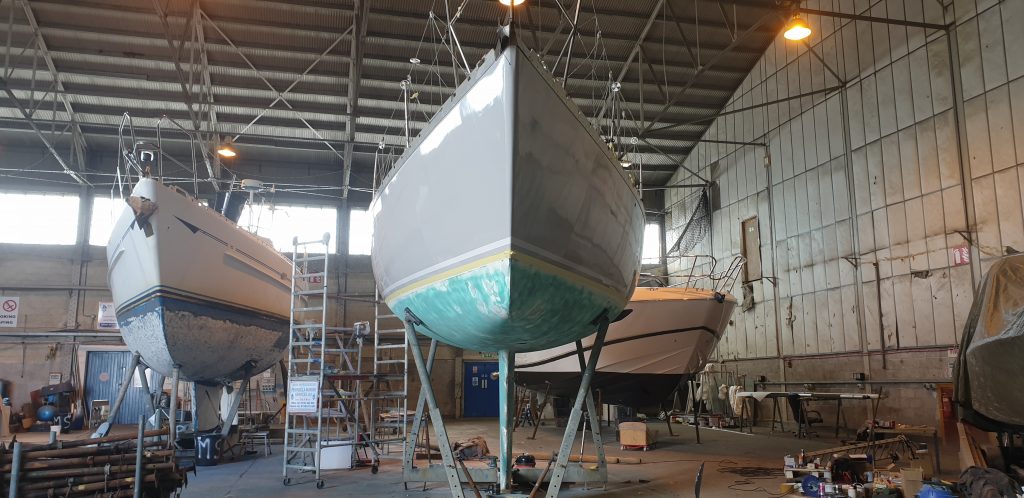
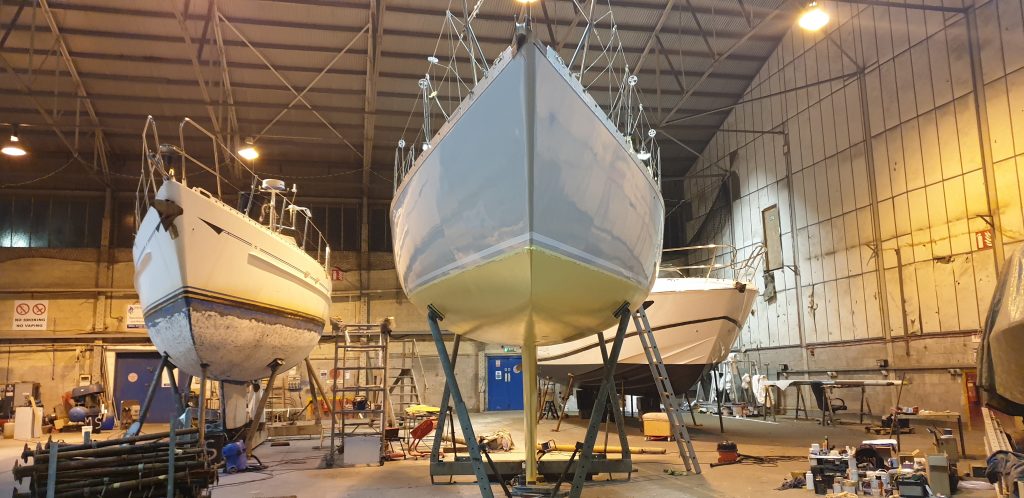
Nazca is an example of what could be done to sail with a leave no trace policy, not just at sea, but the maintenance on land. To meet the expectation there are compromises we have to make, as clean technology, and a change in methodology, catches up with our ultimate objective of doing no harm to planet earth, or the life that lives on her. I didn’t know if it was possible to meet schedules, manage passage plans, or be safe and comfortable at sea without a diesel engine on board. The only way to know, and to be truly honest with sharing the findings, was to go out there without diesel. So we did. I also didn’t want her to sail just for this reason, so over the term I’ve collected various science equipment to help raise awareness of our impact on the ocean. From underwater drones, to micro plastic samplers, as we sail, the technology data is captured for climate change initiatives, as well as environmental data, to help us combat the biodiversity crisis. She’s a floating research platform for the everyday sailor.

What has any marine research shown that you’ve conducted ? Do you have any data from sailing expeditions and is there more to come?

As we start to hone our skills in exploration, it’s clear we have a massive plastic problem – what we find on beaches is just the tip of the iceberg. We are attempting to share positivity, seeing very little accumulation of plastic in the marine conservation zone around Lundy was highly positive, but this is the case at this time of year. Or, were we looking closely enough. We gather minute by minute data from the systems on board, and with continued support we can further analyse this data to levels that can create strategies around helping others to go green. There’s plenty more to come, and what we are seeing at the moment is a rapid change in ocean acidification, plastic accumulation and biodiversity loss. It is in all our interests to conduct citizen sciences to add to the data pool.

For anyone who owns (or wants to own) a sailing boat, what are your recommendations to really make a difference? Is there an order for green tech to be installed?

Slow down. One of the most profound insights with running electric is how much extra energy you need to gain a tiny amount of speed, the resistance of the hull builds at a square of the speed when the hull speed is around 7 knots, it requires 8 kW of power to move the boat and a very economic speed is somewhere around 5 knots where you need 2 kW to move the boat in flat water. The increase of power from 5 kW to 10 kW only yields a knot of more boat speed and the next 5 kW increment only 0,5 knots. The conservation of energy is key to creating a synergy between us and nature. Not just for propulsion, for every watt saved, the energy from a solar panel is better utilised, and the less demand you need from a diesel generator for example. 

How do you achieve a truly off-grid lifestyle and no impact sailing practices? What are the main elements?

I’ve lived off grid for 10 years on land, and now with operating Nazca, it’s quite simply accessing the knowledge and experience in order to save, conserve and optimise energy. Everyone needs to start somewhere, and by monitoring your day to day demands, and through knowledge of optimising yourself and your home, whether on land or at sea,in order to match the available natural resources, the journey to self and clean sustainability begins. Advising a customer to heat water with solar, or run a washing machine in the middle of the day, when the batteries are recharged, and there’s otherwise nowhere for the solar to go, is just common sense if you think about it.

Can we achieve net zero?

I don’t think that’s a relevant question. The question should be when can we reach net zero, as the objective has to be going carbon negative. Net zero is only part of the solution.

How do you educate people and spread the word about what you do?

Through sharing experience, on both what works, but also what does not, to an audience that we are finding within our network who is much more open to learn since the pandemic is key. Whether it’s through interviews such as this, or social media, or real world demonstrations, but not just from us who work in the field specifically. Real world feedback from Sail Electric customers as they begin their journey that inspires others. And critically realising that what you may have learnt about the ocean in that media piece, might change the way you go shopping reminds us that everything is linked. Every action counts, if we look to help change a mindset, that we see exponential positive change happen throughout.  

Wayne Peters

What are your plans for 2023 to make a difference?

Much more of the above, closer relationships to highlight specific messages that inspire change from the core. Every time I write, every time I talk, I improve the method in getting the message across, and potentially increase the impact it could have after I’ve left. You never really know what impression you make, we are all different. Some things resonate, some things don’t, but what we all know deep inside is the difference between right and wrong. And what we know for sure is that we are all in the same boat.

https://sailelectric.com/